

2,500-Year-Old Iron Age Village Discovered: When archaeologists announced that a 2,500-year-old Iron Age village was discovered beneath a fire station in Germany, history lovers around the world leaned in a little closer. This incredible find happened in Hüllhorst, Germany, where construction workers preparing to build a new fire station accidentally uncovered traces of an ancient settlement dating back roughly 800–600 BCE. Now, discoveries like this are a big deal in the world of archaeology. Why? Because they give us a rare glimpse into how people lived thousands of years ago—long before modern cities, cars, or even written history in many parts of Europe. Think of it like opening a time capsule buried beneath modern life.
But this isn’t just a cool historical story. It’s also a lesson about how archaeology, science, and modern development intersect. Construction crews and researchers are working together to uncover and preserve clues about early Iron Age communities, helping historians better understand how ancient Europeans built homes, farmed land, and organized their villages.
Table of Contents
2,500-Year-Old Iron Age Village Discovered
The 2,500-year-old Iron Age village discovered beneath a fire station in Germany is more than just a fascinating news story—it’s a powerful reminder that history is still buried beneath our feet. This discovery offers valuable insight into ancient European life, from village organization and architecture to pottery and daily survival. As modern cities expand, archaeology continues to uncover pieces of the past, helping us better understand how early societies shaped the world we live in today. Sometimes, all it takes is digging the foundation for a fire station to uncover a chapter of human history thousands of years old.
| Key Information | Details |
|---|---|
| Discovery Location | Hüllhorst, North Rhine-Westphalia, Germany |
| Estimated Age | Around 2,500 years old (Pre-Roman Iron Age) |
| Key Findings | House structures, pottery fragments, settlement pits |
| Cultural Period | Early Iron Age (800–600 BCE) |
| Archaeological Authority | LWL Archaeology for Westphalia |
| Importance | Provides rare insight into early Germanic settlements |
| Official Reference | https://www.lwl-archaeologie.de |
Understanding the Iron Age: Why This 2,500-Year-Old Iron Age Village Discovery Matters
To appreciate the significance of the Iron Age village discovered beneath a German fire station, we need to step back in time.
The Iron Age began roughly 1200 BCE in many parts of Europe, when people started using iron instead of bronze to create tools and weapons. Iron was stronger, more common, and easier to shape.
This technological shift changed everything:
- Farming became more efficient
- Weapons improved
- Trade networks expanded
- Villages began growing into larger communities
According to the Smithsonian Institution, iron technology helped societies develop more advanced agriculture and complex social structures.
So when archaeologists uncover an Iron Age settlement, they’re essentially uncovering a blueprint for how early European societies developed.
Where the 2,500-Year-Old Iron Age Village Discovery Happened?
The site lies in Hüllhorst, located in North Rhine-Westphalia, western Germany.
The excavation took place during construction of a new municipal fire station. As workers dug the foundation, they began encountering unusual soil patterns and artifacts.
At that point, archaeologists from LWL Archaeology for Westphalia stepped in.
Their job?
Carefully examine the site and determine whether it contained historical remains.
Turns out—it absolutely did.
Researchers discovered:
- Postholes from ancient wooden houses
- Ceramic pottery fragments
- Settlement pits containing everyday waste
- Evidence of organized building layouts
This suggests the area once supported a stable village community, not just a temporary campsite.
2,500-Year-Old Iron Age Village Discovered: What Archaeologists Actually Found
Let’s break down the key discoveries.
1. Ancient House Structures
One of the most exciting finds was the layout of Iron Age houses.
Archaeologists identified postholes, which are small holes where wooden support beams once stood.
From these patterns, they reconstructed the shape of buildings.
The homes were typically:
- Rectangular
- Built with wooden frames
- Covered with thatched roofs
- Designed to protect against wind
Interestingly, one building was aligned northeast to southwest.
Why does that matter?
Because it suggests ancient builders understood wind patterns and oriented their houses accordingly. Pretty smart engineering for 2,500 years ago.
2. Pottery and Household Items
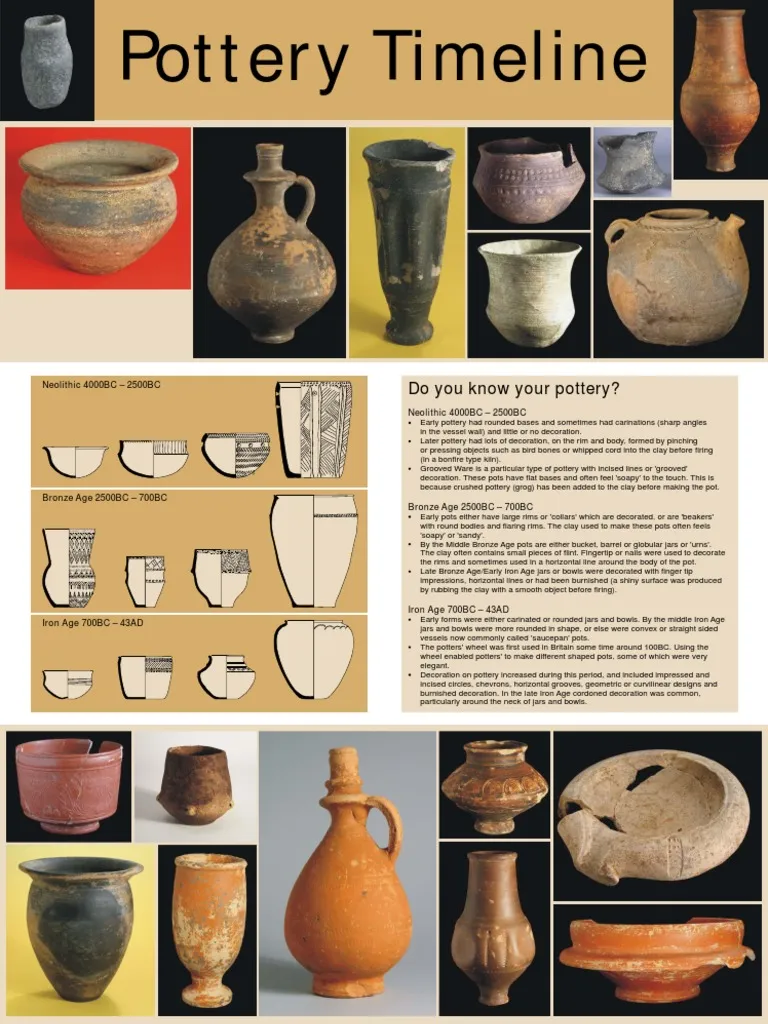
Fragments of pottery were scattered throughout the site.
These included:
- Cooking vessels
- Storage jars
- Drinking cups
According to archaeologists, pottery is one of the best tools for dating ancient settlements.
The style, clay composition, and decoration help experts identify the cultural period.
The ceramics found at the site strongly match Pre-Roman Iron Age pottery traditions.
3. Settlement Pits
Researchers also uncovered large pits filled with organic material and artifacts.
These were likely used for:
- Food storage
- Waste disposal
- Craft activities
Inside the pits, scientists found:
- Burnt material
- Broken pottery
- Food remains
These clues help archaeologists reconstruct daily life in Iron Age villages.
How Archaeologists Study Sites Like This?
You might picture archaeologists just digging with shovels—but modern archaeology is way more advanced than that.
Here’s how a typical excavation works.
Step 1: Surveying the Land
Before digging begins, experts examine the area using:
- Ground-penetrating radar
- Aerial photography
- Magnetic field scans
These technologies help detect buried structures.
The National Park Service explains that remote sensing allows archaeologists to identify ancient settlements without disturbing the soil.
Step 2: Careful Excavation
Once a site is confirmed, archaeologists begin excavation using small tools like:
- Trowels
- Brushes
- Dental picks
Every layer of soil is carefully recorded.
Step 3: Artifact Analysis
Artifacts are then cleaned and studied in labs.
Scientists examine:
- Material composition
- Tool marks
- Carbon dating results
This process determines age, function, and cultural context.
Why Iron Age Settlements Are Rare Discoveries?
Here’s the thing: wooden houses don’t last forever.
Most Iron Age buildings were made from organic materials, which decay over time.
So archaeologists usually find only:
- Soil stains
- Postholes
- Broken artifacts
That’s why a well-preserved settlement like this one is such a valuable discovery.
According to the European Archaeological Council, settlement patterns from the early Iron Age remain poorly documented in many parts of Europe.
Every new discovery fills an important gap in our understanding.
What This Discovery Tells Us About Ancient Life?
The Iron Age village discovered beneath a fire station in Germany reveals several key insights.
1. Early Villages Were Organized
The buildings appear arranged in a planned pattern.
This suggests early communities had organized settlement planning.
2. People Lived Near Water Sources
The village sits near a natural spring.
Access to water was essential for:
- Drinking
- Farming
- Livestock
Ancient communities often built settlements near reliable water.
3. Communities Were Permanent
Evidence of storage pits and housing structures suggests long-term habitation.
This wasn’t just a seasonal camp.
It was a real village.
Modern Construction vs. Ancient History
One interesting lesson from this discovery is how often modern construction reveals ancient history.
Across Europe and the United States, major discoveries frequently occur during:
- Highway construction
- Building foundations
- Infrastructure projects
For example:
- A Roman villa discovered under a parking lot in England
- Native American settlements uncovered during highway projects in the U.S.
These discoveries highlight the importance of archaeological surveys before construction begins.
Why Protecting Archaeological Sites Matters?
Archaeological sites are non-renewable resources.
Once destroyed, the information they contain is lost forever.
That’s why many countries require:
- Archaeological impact assessments
- Preservation efforts
- Artifact documentation
Organizations like UNESCO work to protect important cultural sites around the world.
Archaeologists Locate a Sunken Military Vessel Near Thonis-Heracleion
Archaeologists Identify the Oldest Poisoned Arrows Ever Found, Dated 60,000 Years
Ancient Ostrich Eggshell Engravings Show Geometry 60,000 Years Ago