

$994 Social Security Administration Direct Payment: The $994 Social Security Administration direct payment expected in April has become a widely discussed topic across the United States, especially among seniors, people with disabilities, and low-income households who rely on federal benefits to make ends meet. If you’ve heard neighbors chatting about it at the grocery store or seen headlines online, here’s the straightforward truth: the $994 payment represents the maximum monthly Supplemental Security Income (SSI) benefit for individuals in 2026.
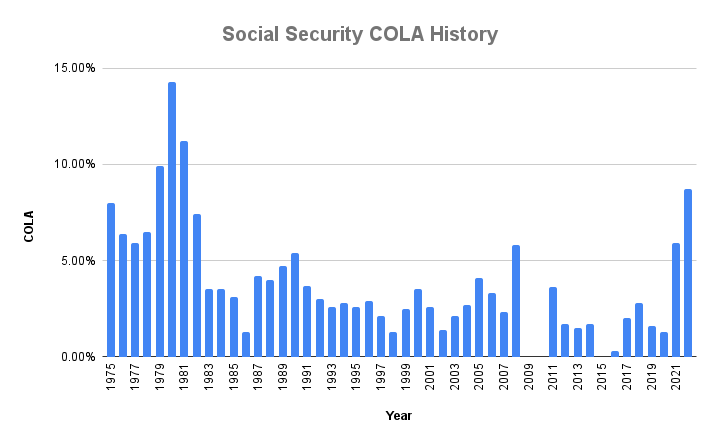
The Social Security Administration (SSA) adjusts SSI benefits every year through something called a Cost-of-Living Adjustment (COLA). This adjustment helps ensure that the purchasing power of benefits keeps up with inflation. In 2026, SSI payments increased slightly due to a 2.8% COLA, raising the maximum individual payment from $967 in 2025 to $994 per month in 2026. According to official information from the SSA, this change helps millions of Americans maintain financial stability as living costs continue to rise.
Official information can be found at the Social Security Administration website: https://www.ssa.gov.
Table of Contents
$994 Social Security Administration Direct Payment
The $994 Social Security Administration direct payment expected in April represents the updated maximum Supplemental Security Income benefit for individuals in 2026. Thanks to a 2.8% cost-of-living adjustment, millions of Americans will see slightly higher payments designed to help offset rising expenses. While not every beneficiary receives the full $994 amount, SSI remains a vital financial safety net for seniors, individuals with disabilities, and low-income households across the United States. By understanding eligibility rules, reporting income changes, and exploring additional assistance programs, beneficiaries can make the most of their support and maintain financial stability.
| Key Information | Details |
|---|---|
| Program | Supplemental Security Income (SSI) |
| Maximum Monthly Payment (Individual) | $994 |
| Maximum Monthly Payment (Couple) | $1,491 |
| Essential Person Payment | $498 |
| COLA Increase for 2026 | 2.8% |
| Estimated Americans Receiving SSI | Around 7.5 million |
| Payment Date (April) | April 1, 2026 |
| Official Source | https://www.ssa.gov/ssi |
Understanding the $994 Social Security Administration Direct Payment
Let’s break it down in simple terms so anyone—from a 10-year-old student to a financial professional—can understand how it works.
The $994 monthly benefit is known as the Federal Benefit Rate (FBR). This is the highest amount an individual SSI recipient can receive each month from the federal government.
However, it’s important to know that not every SSI recipient receives the full $994. The final payment depends on several factors, including:
- Personal income
- Living arrangements
- Additional state benefits
- Other federal assistance programs
The goal of SSI is to provide basic financial support for essential needs like food, clothing, and shelter.
The SSA created SSI in 1972 to help Americans who have limited income and little financial resources. Since then, the program has become a key component of the country’s social safety net.
What Supplemental Security Income (SSI) Is and Why It Matters?
Supplemental Security Income is different from traditional Social Security retirement benefits. While retirement benefits are based on a person’s work history and payroll taxes paid during their career, SSI is a needs-based program funded through general tax revenues.
This means people may qualify for SSI even if they have never worked or paid Social Security taxes.
The program primarily supports three groups of Americans:
- Adults aged 65 and older who have limited income and resources
- Individuals with disabilities who cannot work or have limited ability to earn income
- Blind individuals who meet financial eligibility requirements
In addition, children with severe disabilities may also qualify for SSI benefits if their family meets the income limits.
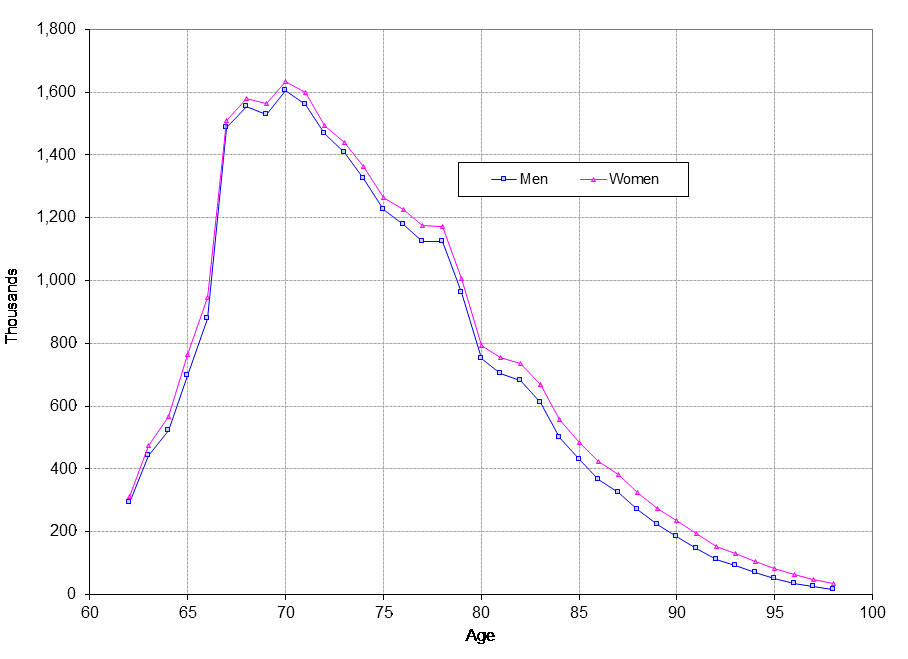
According to federal data from the Social Security Administration, about 7.5 million Americans currently receive SSI payments, including roughly one million children.
Why SSI Payments Increased in 2026?
Every year, the SSA reviews inflation using the Consumer Price Index for Urban Wage Earners and Clerical Workers (CPI-W). When inflation rises, Social Security benefits are adjusted through the Cost-of-Living Adjustment (COLA).
In 2026, the COLA increase was 2.8%.
Here’s how that impacted SSI payments:
| Year | Maximum Individual Benefit |
|---|---|
| 2025 | $967 |
| 2026 | $994 |
That means recipients who qualify for the maximum benefit will receive $27 more per month.
For some households, that extra amount may help pay for rising grocery bills, higher rent, or medical expenses. While it may not seem like a dramatic increase, even small adjustments can make a difference for people living on fixed incomes.
When the April SSI Payment Will Arrive?
SSI payments follow a predictable schedule.
The SSA typically sends payments on the first day of every month.
That means the April SSI payment is expected to arrive on April 1, 2026.
However, if the first day of the month falls on a weekend or federal holiday, payments are issued on the last business day before the holiday.
Most recipients receive their payments through:
- Direct deposit into a bank account
- Direct Express debit card
- Electronic transfer through financial institutions
The federal government strongly encourages electronic payments because they are faster and more secure than paper checks.
Why Some People Receive Less Than $994 Social Security Administration Direct Payment?
One of the most common questions people ask is why their monthly payment might be smaller than the maximum amount.
The answer comes down to the SSI income calculation formula.
The SSA determines benefits using this simple equation:
Maximum SSI Benefit – Countable Income = Monthly Payment
For example:
Maximum benefit: $994
Countable income: $300
Final monthly SSI payment: $694
Certain types of income may count against benefits, including:
- Wages from part-time work
- Pension payments
- Financial support from family members
However, the SSA does exclude some income, such as:
- The first $20 of most monthly income
- The first $65 of earnings from work
These exclusions allow recipients to earn small amounts without losing their benefits entirely.
State Supplemental Payments
While SSI is a federal program, some states provide additional benefits called State Supplemental Payments (SSPs).
These extra payments vary widely by location.
States that commonly provide supplements include:
- California
- New York
- New Jersey
- Massachusetts
- Vermont
Depending on the state and living situation, beneficiaries could receive anywhere from $10 to several hundred dollars more per month.
For example, someone living in California might receive a combined payment that exceeds $1,200 per month when state supplements are included.
Additional Benefits Many SSI Recipients Qualify For
SSI recipients often qualify for other support programs that can significantly reduce living costs.
These programs include:
Medicaid
Most SSI recipients automatically qualify for Medicaid, which helps cover medical expenses such as doctor visits, hospital care, and prescription medications.
SNAP (Food Assistance)
The Supplemental Nutrition Assistance Program (SNAP) helps low-income families purchase groceries each month.
Housing Assistance
Federal and local programs offer rental assistance and public housing support to help families afford safe housing.
Energy Assistance
Programs such as LIHEAP (Low Income Home Energy Assistance Program) help pay heating and cooling bills.
Combining these benefits can make a major difference for families managing tight budgets.
Practical Advice for SSI Beneficiaries
If you currently receive SSI benefits, there are several steps you can take to make sure your benefits remain secure and accurate.
Report Income Changes Promptly
If you start working or receive new income, you should report it to the Social Security Administration right away.
Failing to report income changes could result in overpayments, which the SSA may require you to repay later.
Create a My Social Security Account
A My Social Security account allows you to:
- Track payments
- Review benefit statements
- Update personal information
- Check eligibility details
Keep Important Documents Organized
Always keep copies of:
- Social Security letters
- Benefit statements
- Medical records
- Employment information
Having organized records can help if your case is reviewed or updated.
Review Your Eligibility Annually
The SSA periodically reviews SSI cases to ensure recipients still meet eligibility requirements. Keeping your information updated can prevent payment interruptions.
Common Misunderstandings About the $994 Social Security Administration Direct Payment
Because news headlines often simplify the story, many people misunderstand what the $994 payment actually represents.
It Is Not a New Stimulus Check
The payment is not a one-time government stimulus payment.
It is simply the maximum monthly SSI benefit for individuals in 2026.
Not Everyone Receives the Maximum Amount
Many beneficiaries receive smaller payments depending on their financial situation.
The Increase Happens Automatically
If you already receive SSI, you do not need to apply for the increase. The COLA adjustment is applied automatically to existing benefits.
Early Retirees Allowed Higher Side Income Without Reducing Social Security Benefits
A Hidden Tax Could Reduce Social Security Benefits in 2026 — What to Plan Now
2027 Social Security COLA Outlook Brings New Questions for Retirees