

Complex Meals Once Cooked By Prehistoric Europeans: The headline “Scientists Recreate the Complex Meals Once Cooked By Prehistoric Europeans” might sound like something straight out of a history documentary, but it’s actually the result of groundbreaking scientific research that reveals how sophisticated early human cooking really was. For decades, many people imagined prehistoric diets as basic and primitive—mostly roasted meat cooked over open fires. However, modern archaeological science is showing us a completely different story. Early Europeans were preparing complex, mixed-ingredient meals thousands of years ago, using pottery, fire, and natural ingredients from the environment.
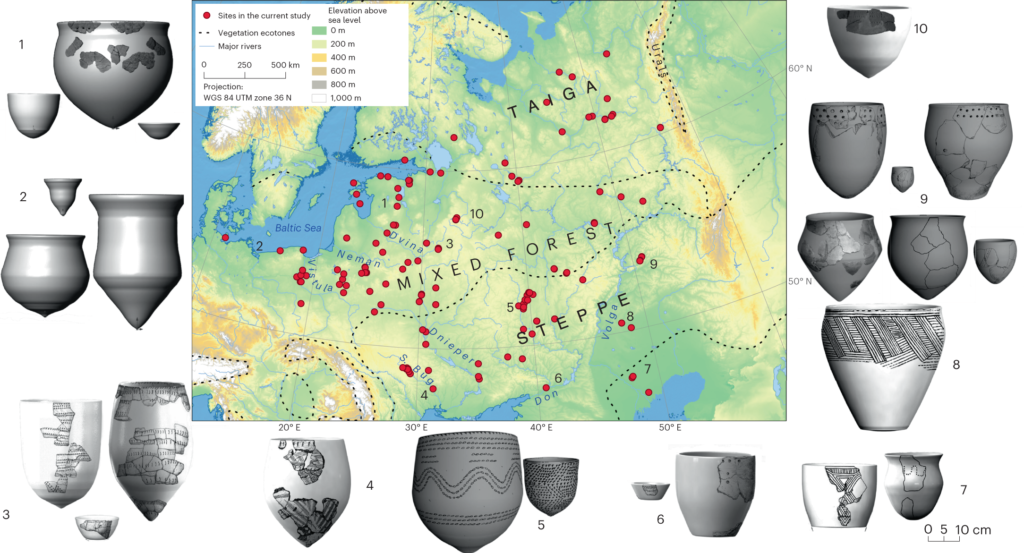
Recent studies analyzing ancient pottery fragments from archaeological sites across Northern and Eastern Europe have uncovered fascinating clues about what people were cooking between 6,000 BCE and 3,000 BCE. Scientists examined microscopic food residues and charred crusts left on ancient cooking vessels. These residues preserved tiny plant fragments, oils, and chemical compounds that survived thousands of years. By carefully studying these remains and recreating the cooking techniques, researchers discovered that prehistoric Europeans were cooking dishes that looked remarkably similar to modern soups, stews, and porridges. This discovery doesn’t just rewrite our understanding of prehistoric diets—it also highlights the creativity, adaptability, and intelligence of early human societies. Long before restaurants, kitchens, or recipe books existed, ancient communities were experimenting with ingredients and creating balanced meals that provided essential nutrients for survival.
Table of Contents
Complex Meals Once Cooked By Prehistoric Europeans
The research showing that scientists recreated the complex meals once cooked by prehistoric Europeans offers an exciting glimpse into the culinary world of ancient societies. Instead of simple diets based solely on roasted meat, prehistoric Europeans prepared diverse meals using grains, plants, fish, and animal products. By analyzing food residues preserved on pottery and recreating ancient cooking techniques, scientists have uncovered evidence that early humans were skilled cooks who understood nutrition and resource management. These discoveries not only reshape our understanding of prehistoric life but also highlight timeless lessons about sustainable food practices and the value of natural ingredients.
| Topic | Key Information |
|---|---|
| Research Focus | Scientists recreated prehistoric European meals from food residues in pottery |
| Time Period | Approximately 6,000 BCE – 3,000 BCE |
| Locations Studied | Northern and Eastern Europe archaeological sites |
| Research Methods | Microscopic plant analysis and organic residue chemistry |
| Common Ingredients | Fish, wild grains, seeds, berries, and animal fats |
| Cooking Technique | Pot-based cooking similar to soups and stews |
| Scientific Field | Archaeology, Anthropology, Food Science |
| Key Discovery | Prehistoric Europeans cooked complex multi-ingredient meals |
| Research Source | https://www.nature.com |
| Archaeology Reference | https://www.archaeology.org |
A New Look at Prehistoric Diets
For many years, popular culture portrayed prehistoric humans as people who simply hunted animals and ate roasted meat. Movies, textbooks, and early archaeological theories often reinforced the idea that early diets were simple and limited.
However, modern research is painting a more accurate and fascinating picture. Evidence now shows that prehistoric communities used a wide variety of ingredients and cooking methods to create meals that were far more complex than previously believed.
Scientists studying ancient food residues found that early Europeans were combining plant foods and animal proteins in the same cooking vessel, creating nutritionally balanced dishes. Instead of eating raw plants and separate pieces of meat, these communities prepared mixed meals that allowed them to maximize flavor and nutritional value.
This discovery also challenges the long-standing assumption that prehistoric societies had limited culinary knowledge. In reality, they understood how to combine ingredients, extract nutrients through boiling, and prepare food in ways that improved digestion and energy intake.
How Scientists Recreated Complex Meals Once Cooked By Prehistoric Europeans?
Understanding what people ate thousands of years ago is not easy. Archaeologists cannot simply observe ancient kitchens or read historical recipes. Instead, they rely on physical evidence left behind at archaeological sites.
Researchers followed a multi-step scientific process to reconstruct prehistoric meals.
Studying Pottery Fragments
The first step involved examining pottery fragments discovered during excavations. These fragments often contain burnt food residues on their surfaces. When food is cooked in clay pots over open fires, a thin crust of burnt material forms along the interior of the vessel.
Over time, these crusts can preserve tiny traces of the ingredients that were originally cooked inside.
Scientists collected pottery fragments from several prehistoric settlements across Europe. Many of these fragments were thousands of years old but still contained visible residue layers.
These residues acted as chemical time capsules, allowing scientists to analyze ancient cooking practices.
Using Microscopic and Chemical Analysis
Once the pottery samples were collected, researchers used specialized laboratory techniques to identify the ingredients preserved in the residue.
Some of the most important methods included:
Organic residue analysis
Microscopic plant identification
Lipid (fat) analysis
Mass spectrometry
These techniques allow scientists to detect extremely small traces of organic material, including fats, proteins, and plant fibers.
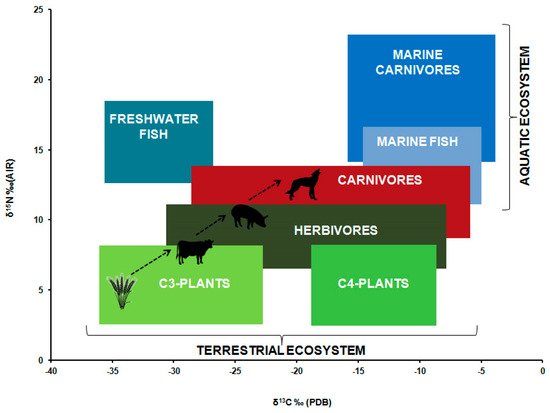
For example, certain fatty acids are unique to fish oils, while others are typical of land animals. Similarly, plant cells have distinctive shapes that can be recognized under powerful microscopes.
Through this analysis, scientists identified a wide variety of ingredients used in prehistoric cooking.
Recreating the Ancient Recipes
After identifying the ingredients, researchers attempted to recreate the cooking process using traditional methods.
To do this, they produced replica pottery vessels similar to those used thousands of years ago. These pots were then placed over open fires, and the researchers used ingredients similar to those available during prehistoric times.
These experimental cooking sessions allowed scientists to observe how different foods reacted to heat and how residues formed on pottery surfaces.
The results were remarkable. The recreated meals resembled thick soups, stews, and porridges—foods that many cultures around the world still enjoy today.
Complex Meals Once Cooked By Prehistoric Europeans: Ingredients Found in Prehistoric Cooking
One of the most surprising discoveries was the diversity of ingredients used in ancient European diets.
Wild Plants and Grains
Plant-based foods played a major role in prehistoric cooking. Scientists identified residues from several plant species, including wild cereals and grasses.
These plants provided carbohydrates and fiber, which are essential for energy and digestive health.
Common plant ingredients likely included:
Wild barley
Wild wheat
Grass seeds
Tree nuts
Edible leaves
Wild berries
These ingredients were often collected from forests, grasslands, and riverbanks.
Fish and Aquatic Resources
Fish was another major component of prehistoric diets, especially in communities located near rivers and lakes.
Residue analysis frequently revealed fatty compounds associated with freshwater fish.
Fishing provided a reliable source of protein and healthy fats, particularly omega-3 fatty acids that support brain development and cardiovascular health.
Evidence suggests that prehistoric Europeans used simple tools such as:
Fishing nets
Bone hooks
Wooden spears
Fish traps
These tools allowed communities to harvest fish efficiently.
Animal Products
In addition to fish, prehistoric Europeans also consumed meat from hunted animals.
Common game animals may have included:
Deer
Wild boar
Elk
Small mammals
Birds
Animal fats were sometimes mixed with plant ingredients to create richer, more filling dishes.
Bones may also have been boiled in pottery vessels to produce nutrient-rich broths.
The Role of Pottery in Ancient Cooking
The invention of pottery was one of the most important technological developments in early human history.
Before pottery existed, cooking options were limited. Food could be roasted over flames or heated on stones, but boiling was difficult.
Clay pottery changed everything.
With ceramic pots, prehistoric communities could:
Boil water
Cook grains and seeds
Prepare soups and stews
Extract nutrients from bones
Preserve food longer
Pottery also allowed people to cook foods that would otherwise be difficult to eat, such as tough grains or fibrous plants.
According to research from the Archaeological Institute of America, pottery technology spread across Europe during the Neolithic period and played a key role in shaping human diets and settlements.
What These Discoveries Tell Us About Early Societies?
These findings reveal important insights about prehistoric life.
Advanced Knowledge of Food Preparation
Early humans clearly understood how to combine ingredients to create nutritious meals. This suggests that cooking knowledge was passed down through generations.
Cooking may have been a shared community activity, with families and groups gathering around fires to prepare food together.
Efficient Use of Natural Resources
Prehistoric Europeans relied heavily on their surrounding environment. By combining plant foods with animal products, they were able to maximize available resources.
This approach helped communities survive during periods when certain foods were scarce.
Social and Cultural Importance of Cooking
Cooking is not just about nutrition—it also plays an important social role.
Archaeologists believe shared meals may have helped strengthen relationships within prehistoric communities.
Preparing food together likely encouraged cooperation, communication, and cultural traditions.
Lessons Modern Society Can Learn
While prehistoric cooking may seem distant from modern life, there are valuable lessons we can learn from ancient diets.
Whole Foods Are Powerful
Prehistoric meals were made entirely from natural ingredients—plants, fish, and animal products with no artificial additives.
Many nutrition experts today recommend returning to whole-food diets, which closely resemble what early humans consumed.
Simple Cooking Methods Still Work
Ancient cooking techniques like boiling, stewing, and slow cooking remain popular today.
These methods help preserve nutrients while enhancing flavor.
Modern tools like slow cookers and pressure cookers use similar principles that prehistoric cooks discovered thousands of years ago.
Sustainable Food Practices Matter
Prehistoric communities relied on sustainable harvesting practices because their survival depended on maintaining healthy ecosystems.
Today, many experts encourage sustainable agriculture and responsible fishing practices to protect global food supplies.
Organizations such as the Food and Agriculture Organization of the United Nations promote sustainable food systems worldwide.
Scientists Develop Neuromorphic Artificial Skin for Robots
Dinosaur Eggshells Help Scientists Date Nearby Fossils More Accurately
Scientists Identify a Newly Proposed Layer Deep Within Earth’s Core