


Is a $1,390 IRS Refund Really Coming This Month? If you’ve been scrolling through social media lately, you’ve probably come across posts claiming that a $1,390 IRS refund is coming this month for Americans. The posts usually sound exciting and urgent, suggesting that the government is sending out a special payment to taxpayers. Naturally, a lot of people are wondering whether they should expect extra money hitting their bank accounts soon.
The truth is a little different from what those viral posts suggest. While some Americans may receive tax refunds around $1,390, there is no official nationwide payment program guaranteeing that exact amount. Refunds from the Internal Revenue Service (IRS) depend entirely on your personal tax situation—things like your income, tax withholdings, and eligibility for tax credits. Understanding how IRS refunds actually work can help you avoid confusion and misinformation. In this detailed guide, we’ll break down the facts about the $1,390 IRS refund claim, explain where the number likely came from, and show you how to check whether you personally have a refund coming.
Table of Contents
Is a $1,390 IRS Refund Really Coming This Month?
The claim that a $1,390 IRS refund is being sent to Americans this month has gained attention online, but the reality is more nuanced. There is no official program guaranteeing that amount, and refunds are always calculated individually based on each taxpayer’s financial information. While many Americans will receive refunds this tax season—and some may indeed receive amounts close to $1,390—those payments come from standard tax filing procedures, not a special government initiative. Staying informed through reliable sources will help you avoid confusion and ensure you make the most of your tax benefits.
| Topic | Details |
|---|---|
| Viral Claim | A $1,390 IRS refund is being sent to Americans this month |
| Official Status | No nationwide $1,390 stimulus or refund program announced |
| Possible Source | Average refund amounts and refundable tax credits |
| Who May Receive Money | Taxpayers who overpaid taxes or qualify for credits |
| How to Check Refund | Use the IRS “Where’s My Refund?” tool |
| Average Refund (Recent Years) | Around $2,800–$3,200 depending on tax year |
| Official Source | https://www.irs.gov |
Understanding the $1,390 IRS Refund Claim
The rumor about a $1,390 IRS refund started spreading through social media platforms such as Facebook, TikTok, and YouTube. Some posts claim that the IRS is issuing a special refund or stimulus payment to help Americans deal with rising living costs.
However, the IRS has not announced any fixed $1,390 payment program. In the United States, the federal government cannot simply send out large-scale payments without congressional approval. Any stimulus program or special refund would need to pass through Congress and be officially announced by the IRS and the U.S. Treasury.
The IRS itself has stated repeatedly that refunds are not one-size-fits-all payments. They are calculated based on the information provided in your tax return.
This means that the amount you receive could be higher, lower, or zero, depending on your financial situation.
How Federal Tax Refunds Work in the United States?

To understand why the viral claim is misleading, it helps to understand how tax refunds are actually calculated.
Filing Your Annual Tax Return
Every year, most Americans are required to file a federal tax return using Form 1040. During this process, taxpayers report:
- Wages and income
- Federal taxes already paid
- Deductions
- Tax credits
This information allows the IRS to calculate whether you owe additional taxes or are entitled to a refund.
Tax Withholding and Overpayment
Throughout the year, employers automatically deduct federal income tax from employee paychecks. This is known as tax withholding.
Sometimes people have too much tax withheld, which means they paid more tax than necessary. When that happens, the IRS sends the extra money back as a refund.
Tax Credits That Increase Refunds
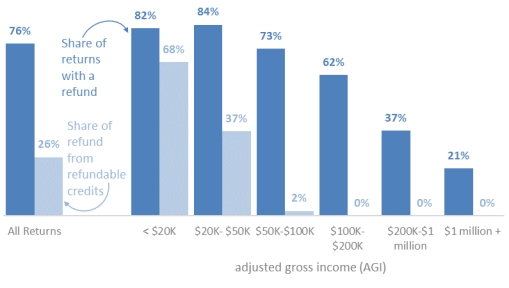
Refund amounts can also increase if taxpayers qualify for refundable tax credits. These credits reduce the tax owed and may even generate a refund.
Common refundable credits include:
- Earned Income Tax Credit (EITC)
- Child Tax Credit (CTC)
- American Opportunity Tax Credit
Where did the $1,390 IRS Refund Figure May Have Come From?
There are several reasons why the number $1,390 might have started circulating online.
Average Refund Estimates
Each year the IRS publishes data about average refund amounts. These numbers vary by tax year, but they often fall between $2,500 and $3,200.
Sometimes articles or social media posts highlight a smaller refund figure—like $1,390—and present it as a typical payment amount, even though it’s only an estimate.
Refundable Tax Credit Amounts
Another possibility is confusion with tax credits. For example, many taxpayers eligible for the Earned Income Tax Credit receive refunds between $1,000 and $2,000.
If someone received a refund of $1,390 due to EITC or other credits, that could easily be misinterpreted online as a government program.
Misinterpretation of Previous Stimulus Payments
Some posts may also be mixing up information about past stimulus checks from the COVID-19 pandemic.
Between 2020 and 2021, the federal government issued several rounds of Economic Impact Payments, including:
- $1,200 per adult
- $600 follow-up payments
- $1,400 payments under the American Rescue Plan
But those programs are now closed, and there has been no new stimulus legislation recently passed that would create a $1,390 payment.
Who Might Actually Receive Refunds Around $1,390?
Even though there is no universal payment, some Americans may receive refunds close to that amount.
Here are some common situations.
Low- to Moderate-Income Workers
Workers who qualify for the Earned Income Tax Credit may receive refunds that fall near the $1,000–$1,500 range.
The EITC is designed to support working families with modest incomes and can provide thousands of dollars depending on household size.
Families With One Child
Families claiming the Child Tax Credit for one child may receive refunds near the $1,000–$2,000 range, depending on income levels and withholding amounts.
Single Taxpayers With Moderate Income
Individuals with steady employment but limited deductions sometimes receive refunds in the $1,200 to $1,500 range, especially if they had extra taxes withheld from their paychecks.
Steps to Check If You Have an IRS Refund Coming?
If you’re hoping for a refund this year, the good news is that checking your status is quick and easy.
Step 1: File Your Tax Return
Before a refund can be issued, you must file your federal tax return. Most Americans file electronically using tax software or professional tax services.
Step 2: Use the Official IRS Refund Tool
Once your return has been processed, visit the official Where’s My Refund page:
https://www.irs.gov/refunds
This tool is updated daily and provides the most accurate information.
Step 3: Enter Your Information
You will need three pieces of information:
- Social Security Number or ITIN
- Filing status
- Exact refund amount from your tax return
The system will then display the current status of your refund.
Typical IRS Refund Timeline
Most taxpayers receive refunds within 21 days if they file electronically and choose direct deposit.
However, certain factors can delay processing.
Common reasons for refund delays include:
- Claiming the Earned Income Tax Credit
- Claiming the Additional Child Tax Credit
- Filing a paper return
- Errors on the tax return
- Identity verification checks
According to the IRS, returns claiming EITC or ACTC may take longer because the law requires additional fraud prevention checks.
Common IRS Refund Scams and Misinformation
Whenever rumors about government payments start circulating, scammers often try to take advantage.
The Federal Trade Commission (FTC) reports thousands of tax-related scams every year.
Official scam prevention information can be found at:
https://consumer.ftc.gov
Some common warning signs include:
- Emails claiming you have an “unclaimed IRS payment”
- Text messages asking you to confirm your bank details
- Phone calls pretending to be from the IRS
- Links to fake refund websites
The IRS has made it clear that it never contacts taxpayers through social media or unsolicited text messages.
Practical Tips for Maximizing Your Tax Refund
If you want to increase your chances of receiving a larger refund, there are several strategies worth considering.
Claim All Eligible Tax Credits
Many taxpayers miss out on credits they qualify for. These include:
- Earned Income Tax Credit
- Child and Dependent Care Credit
- Education credits
Tax preparation software can help identify these automatically.
Contribute to Retirement Accounts
Contributions to retirement accounts like Traditional IRAs may reduce taxable income and potentially increase refunds.
Keep Accurate Financial Records
Maintaining good documentation throughout the year can make filing taxes easier and help ensure you claim all deductions.
Why Reliable Information Matters?
Tax-related misinformation spreads quickly because money-related headlines grab attention.
But relying on unverified claims can lead to disappointment or even financial mistakes. For example, some people might delay filing their taxes because they believe a new payment is coming.
These websites provide accurate, up-to-date information about tax policies and refund programs.
IRS Refund Schedule 2026 — How to Estimate Your Tax Refund Date
Are Stimulus Checks Coming in 2026? How to Check IRS Payment Status
March 2026 Stimulus Claims — What’s Real About IRS Deposits, Dividends, and Refunds