


Many Californians Cope With High Costs: A New Lifestyle Choice Is Helping Many Californians Cope With High Costs by encouraging people to rethink how they live, spend, and build their homes. Across California, families, young professionals, and retirees are adopting factory-built housing, modular homes, accessory dwelling units (ADUs), and smaller living spaces to manage the state’s soaring living expenses. What once seemed like an alternative lifestyle is quickly becoming a mainstream solution to the housing affordability crisis.
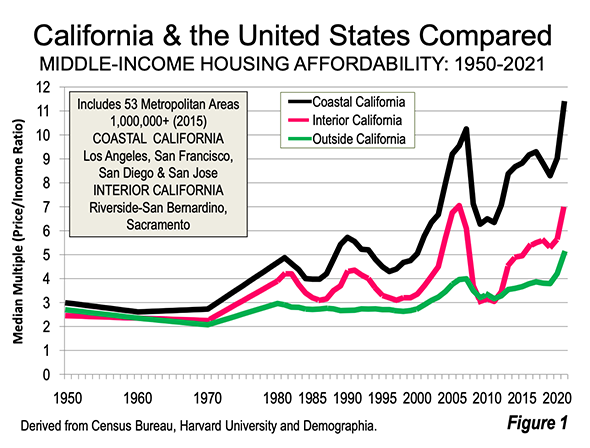
For decades, California has been one of the most desirable places in the United States to live. From the tech-driven economy of Silicon Valley to the entertainment industry of Los Angeles and the scenic coastlines of San Diego, the state offers unmatched opportunities. However, that popularity has also created serious economic pressure. Housing shortages, high demand, and regulatory hurdles have pushed real estate prices to historic levels. According to the California Association of Realtors, the median home price in California reached approximately $780,000 in 2025, while in some cities the median price easily surpasses $1 million.
As a result, many Californians are searching for smarter ways to live without sacrificing quality of life. One of the most promising solutions is factory-built housing, a modern construction approach that builds homes in controlled manufacturing environments before transporting them to their final location. This strategy can dramatically reduce building costs, shorten construction timelines, and increase housing availability. For many residents, it represents not only a financial solution but also a new lifestyle philosophy focused on efficiency, flexibility, and sustainability.
Table of Contents
Many Californians Cope With High Costs
A New Lifestyle Choice Is Helping Many Californians Cope With High Costs by reshaping how people think about housing. Instead of relying solely on traditional home construction, more residents are turning to factory-built housing, modular homes, and smaller living spaces as practical solutions to the state’s affordability challenges. With lower costs, faster construction, and improved sustainability, factory-built homes represent a promising path forward. While challenges remain, continued innovation and supportive policies could make these housing solutions a cornerstone of California’s future housing strategy.
| Topic | Key Details |
|---|---|
| Lifestyle Trend | Factory-built housing, modular homes, ADUs, and minimalist living |
| Median California Home Price | Around $780,000 (2025 estimate) |
| Modular Home Cost Savings | 10–30% cheaper than traditional construction |
| Construction Speed | Up to 50–60% faster |
| Key Demographics | Millennials, remote workers, retirees |
| U.S. Housing Shortage | 3.8 million homes nationwide |
| Industry Growth | Modular construction projected to grow 6–7% annually |
| Official Housing Resource | https://www.hcd.ca.gov |
Understanding Why California Became So Expensive
California’s affordability challenge did not happen overnight. It is the result of multiple economic, social, and policy factors that developed over several decades.
Housing Demand Outpacing Supply
One of the biggest drivers of rising housing prices is the simple imbalance between demand and supply. California has consistently built fewer homes than needed for its growing population.
According to the California Legislative Analyst’s Office, the state needs about 2.5 million additional homes by 2030 to meet current housing demand. However, construction rates have remained far below that target for years.
When supply cannot keep up with demand, prices naturally rise. That’s exactly what has happened in major California cities.
Expensive Land and Urban Development Limits
Land prices in urban California are among the highest in the United States. In cities like San Francisco, Los Angeles, and San Jose, developers may spend millions of dollars simply purchasing land before construction begins.
Local zoning laws often limit building heights, density, and housing types. These restrictions reduce the number of homes that can be built in high-demand areas.
The National Association of Home Builders (NAHB) reports that regulatory costs and zoning restrictions can account for up to 24% of the final price of a new home.
Rising Construction Costs
Construction costs have also increased significantly due to inflation, labor shortages, and material price volatility. Lumber prices, for example, surged dramatically during the COVID-19 pandemic and remain higher than historical averages.
These rising expenses make traditional homebuilding slower and more expensive, which further contributes to the housing shortage.
Many Californians Cope With High Costs: The Emergence of Factory-Built Housing
As traditional construction struggles to keep up with demand, factory-built housing has emerged as a practical alternative.
Instead of building an entire home on-site, major parts of the structure are built inside a manufacturing facility. These components are then transported to the property and assembled.
This method allows builders to control quality, reduce waste, and significantly accelerate construction timelines.
Types of Factory-Built Homes
There are several types of factory-built housing options available today.
Modular Homes
Modular homes are built in sections called modules. Each module is constructed in a factory and then assembled on-site to form a complete home. These homes must meet the same building codes as traditional houses.
Manufactured Homes
Manufactured homes are fully built in factories and transported to their final location. They must follow federal standards established by the U.S. Department of Housing and Urban Development (HUD).
Panelized Homes
Panelized homes use pre-built wall panels that are shipped to the building site and assembled quickly. This hybrid approach combines factory precision with on-site construction.
How Many Californians Cope With High Costs?
Several factors explain why more Californians are embracing factory-built homes and smaller living spaces.
Lower Housing Costs
The most obvious benefit is affordability. Studies from the Urban Institute indicate that modular construction can reduce costs by 10% to 30% compared with traditional construction methods.
Factories can reduce costs because they:
- Purchase materials in bulk
- Use standardized production processes
- Reduce construction delays caused by weather
- Require fewer labor hours per unit
These efficiencies make housing significantly more affordable.
Faster Construction Times
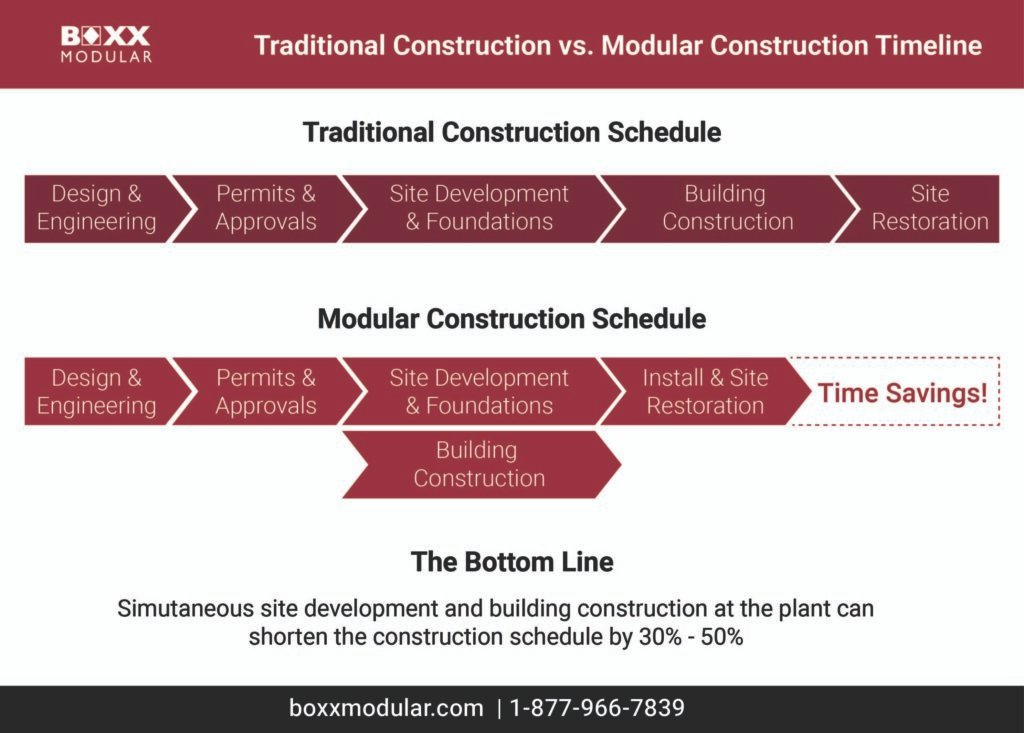
Traditional housing projects often take 8 to 12 months to complete.
Factory-built homes can often be completed in three to six months, depending on design complexity and site preparation requirements.
Because construction happens indoors, factories avoid weather delays and maintain consistent production schedules.
This speed can be crucial in addressing housing shortages.
Improved Sustainability
Another advantage is environmental sustainability.
According to the U.S. Environmental Protection Agency, construction and demolition activities generate more than 600 million tons of waste annually in the United States.
Factory-built housing significantly reduces this waste by:
- Using precise material measurements
- Recycling leftover materials
- Minimizing on-site debris
Energy efficiency is also improved, as factory-built homes often include advanced insulation and energy-saving technologies.
Who Is Adopting This Lifestyle?
The trend toward factory-built housing is not limited to one demographic group. Instead, it is attracting a diverse range of homeowners.
Millennials Entering the Housing Market
Millennials represent one of the largest groups entering the housing market today. However, many face financial barriers due to student loans, rising rents, and high home prices.
Factory-built homes provide a more affordable path to homeownership for this generation.
Instead of purchasing large traditional houses, many Millennials prefer smaller, efficient homes located near employment centers.
Remote Workers Seeking Flexibility
The rise of remote work has dramatically changed where people choose to live.
Many professionals who once needed to live near offices can now work from home or shared workspaces.
This flexibility allows them to move to suburban or rural areas where land is more affordable, making factory-built homes an attractive option.
Retirees Downsizing
Retirees are also embracing smaller homes and modular housing.
Downsizing allows older homeowners to reduce maintenance costs, lower property taxes, and free up savings for travel or healthcare.
Energy-efficient modular homes also offer lower utility bills and simplified maintenance.
The Step-by-Step Process of Building a Factory-Built Home
Understanding the process helps potential homeowners feel more confident about choosing this option.
Selecting a Design
Homebuyers begin by selecting a home design. Many manufacturers offer customizable floor plans that can be adjusted to meet individual needs.
Some companies provide digital design tools that allow customers to visualize their homes before construction begins.
Manufacturing the Home
Once the design is finalized, construction begins in the factory. Workers assemble the home’s structural components, electrical systems, plumbing, insulation, and interior finishes.
Because factories operate under controlled conditions, quality control standards are often higher than traditional construction sites.
Preparing the Building Site
While the home is being built in the factory, contractors prepare the building site. This includes installing the foundation, connecting utilities, and obtaining necessary permits.
This parallel process significantly reduces overall project timelines.
Transportation and Installation
Completed modules are transported by specialized trucks to the property site. Construction crews then assemble the modules and secure them to the foundation.
Depending on the size of the home, assembly may take only a few days.
Final Inspections
After installation, local authorities conduct inspections to ensure compliance with building codes and safety regulations.
Once approved, homeowners can move in.
Many Californians Cope With High Costs: Real-World Examples of Modular Housing Projects
Several California cities have begun adopting modular housing solutions to address housing shortages.
In Sacramento, developers recently completed a modular apartment complex with more than 140 units built using factory construction techniques. The project was completed nearly 40% faster than a comparable traditional development.
Similarly, affordable housing developers in Los Angeles have used modular construction to create housing for low-income residents and homeless individuals.
According to research from the McKinsey Global Institute, modular construction could reduce building costs by up to 20% and increase productivity in the construction sector.
Challenges Facing Factory-Built Housing
Despite its advantages, factory-built housing still faces several challenges.
Zoning Restrictions
Local zoning laws often limit where manufactured or modular homes can be placed. Some neighborhoods restrict certain housing types to preserve traditional architectural styles.
These regulations can slow the adoption of innovative housing solutions.
Community Perceptions
Some communities mistakenly associate manufactured homes with lower quality housing.
However, modern modular homes often look identical to traditional houses and meet the same safety standards.
Financing Limitations
Mortgage lenders sometimes treat manufactured homes differently from site-built homes.
This can affect financing options and loan approval processes, although the situation is improving as the industry grows.
The Future of Affordable Housing
Experts widely believe factory-built housing will play an increasingly important role in solving the housing shortage.
According to Freddie Mac, the United States currently faces a shortage of approximately 3.8 million homes.
Expanding modular construction could significantly reduce that gap.
California is also encouraging the development of Accessory Dwelling Units (ADUs), which are small homes built on existing residential properties.
These backyard homes can provide additional rental income for homeowners while increasing housing availability.
A New Way of Living Is Emerging as Californians Adapt to High Costs
Controversial Arsenic Life Study Finally Retracted After 15 Years
California Pushes Mandatory Speed Limiters for Repeat Speeding Drivers Under New Senate Plan