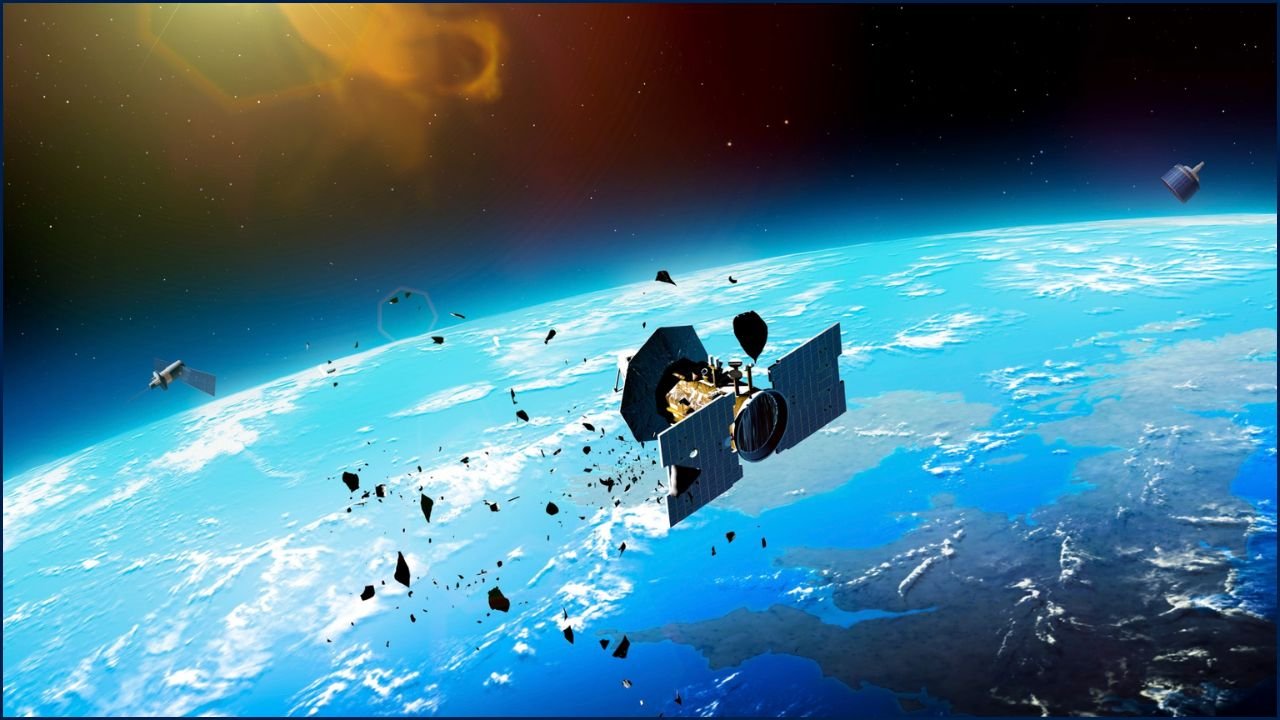

Starlink Is Dropping From the Sky: Starlink satellites falling from the sky has become a hot topic in the space and technology world. If you’ve been watching the night sky lately, you might have seen a glowing streak that looks like a slow meteor sliding across the horizon. A lot of folks assume it’s a shooting star, but sometimes it’s actually a satellite reentering Earth’s atmosphere. With the rapid growth of the Starlink satellite network, these fiery returns are happening more often—and scientists say the effects are worth paying attention to.
The Starlink satellite constellation, developed by SpaceX, is designed to deliver fast internet to people almost anywhere on Earth. It’s been a game-changer for rural communities across the United States, where traditional broadband infrastructure can be limited. But because thousands of satellites are orbiting relatively close to Earth, some inevitably reach the end of their lifespan and fall back into the atmosphere. Recently, researchers noticed that these reentries are happening more frequently than expected. Solar storms, atmospheric changes, and the sheer number of satellites involved are all playing a role.
Table of Contents
Starlink Is Dropping From the Sky
The growing number of Starlink satellites falling from the sky reflects both the success and the challenges of modern satellite technology. While these reentries are largely planned and pose minimal risk to people on the ground, scientists are carefully studying how increased satellite activity may affect Earth’s atmosphere over time. As satellite internet networks expand worldwide, balancing technological innovation with responsible space management will become increasingly important.
| Topic | Details |
|---|---|
| Network Name | Starlink Satellite Constellation |
| Company | SpaceX |
| Satellites Currently in Orbit | About 9,300+ satellites (2025 estimates) |
| Average Daily Re-entries | Around 1–2 satellites per day |
| Primary Cause of Increased Reentries | Solar storms and atmospheric drag |
| Average Satellite Lifespan | Approximately 5 years |
| Potential Environmental Concern | Aluminum oxide particles in upper atmosphere |
| Target Internet Coverage | Global broadband, including rural regions |
| Official Website | https://www.starlink.com |
Understanding the Starlink Satellite Network
To understand why satellites are falling from the sky more frequently, it helps to first understand how the Starlink system works.
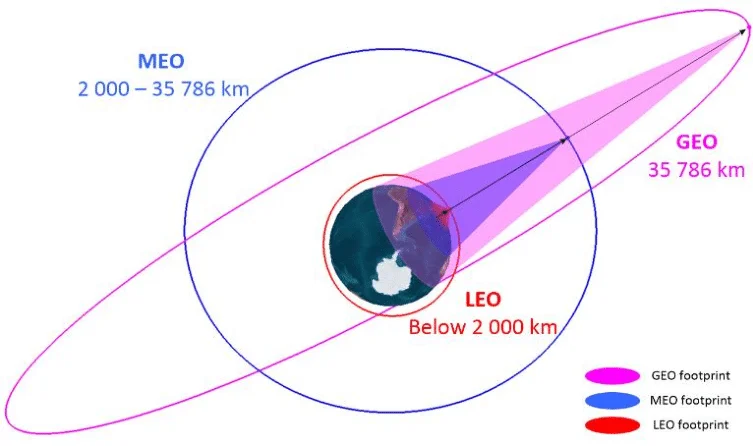
Starlink is part of a new category of technology known as low-Earth-orbit satellite internet. Instead of relying on a few massive satellites positioned far away in geostationary orbit, Starlink uses thousands of smaller satellites orbiting much closer to Earth.
These satellites operate at altitudes between roughly 340 and 550 kilometers above Earth. That may sound incredibly far away, but in space terms, it’s relatively close. Because they’re closer to Earth, signals can travel faster between satellites and ground receivers, resulting in lower latency and better internet speeds.
For people living in remote parts of the United States—think ranches in Wyoming, small towns in the Dakotas, or fishing communities in Alaska—Starlink has become a practical solution for reliable broadband. Schools, hospitals, emergency responders, and small businesses have all benefited from satellite internet connectivity where traditional infrastructure would be expensive or impossible to build.
SpaceX launches new satellites regularly using its Falcon 9 rockets. Each launch can carry dozens of satellites at a time, and once they reach orbit, they spread out to form part of the larger network.
According to satellite tracker Jonathan McDowell, more than 9,300 Starlink satellites have been launched, with thousands currently active in orbit. The number continues to rise as the constellation expands.
Why Starlink Is Dropping From the Sky More Often?
Although Starlink satellites are designed to eventually reenter the atmosphere, scientists have noticed that some are returning faster than expected. Several factors are responsible for this trend.
Solar storms increasing atmospheric drag
One of the biggest drivers is solar activity. The Sun operates on an approximately 11-year cycle that includes periods of intense activity. During these periods, the Sun produces solar flares and coronal mass ejections—powerful bursts of energy and charged particles that travel through space.
When these solar storms reach Earth, they interact with the planet’s magnetic field and heat the upper atmosphere. As the atmosphere heats up, it expands outward into space. This expansion increases the density of the thin atmosphere where low-Earth-orbit satellites operate.
Even though the air is extremely thin at those altitudes, the increased density creates additional resistance known as atmospheric drag. Satellites encountering this drag slow down slightly, lose altitude, and gradually spiral toward Earth.
Researchers analyzing hundreds of Starlink satellites between 2020 and 2024 found that geomagnetic storms significantly accelerated orbital decay for satellites in low-Earth orbit. This effect can shorten the operational life of satellites and cause them to reenter the atmosphere earlier than planned.
A growing population of satellites
Another major factor is simple math. There are now thousands of satellites in orbit, and every satellite eventually reaches the end of its life.
Starlink satellites typically operate for about five years before being replaced by newer versions with upgraded technology. As older satellites are retired, they are deliberately guided back into Earth’s atmosphere where they burn up safely.
With thousands of satellites in service, even a normal retirement rate results in frequent reentries. Scientists estimate that one or two Starlink satellites burn up in the atmosphere each day as part of routine operations.
As the constellation expands, the number of daily reentries could increase.
Low orbit means shorter lifetimes
The relatively low altitude of Starlink satellites is intentional. Operating closer to Earth improves internet performance, but it also means satellites are more affected by atmospheric drag.
Over time, even small amounts of drag gradually pull satellites downward. Once they descend far enough, gravity takes over and they begin their final descent through the atmosphere.
During this process, friction with the atmosphere causes the satellite to heat up dramatically. Most of the structure vaporizes, producing the bright streak that observers sometimes see from the ground.
What Happens When a Satellite Reenters the Atmosphere?
When a satellite falls back toward Earth, it doesn’t simply drop like a rock. The process is a complex interaction between speed, friction, and extreme heat.
Satellites traveling in orbit move at speeds of about 17,000 miles per hour. As they enter the thicker layers of the atmosphere, friction builds rapidly. This friction produces intense heat—often exceeding 2,700 degrees Fahrenheit.
At those temperatures, most satellite components melt or vaporize completely before reaching the ground.
Starlink satellites are intentionally designed to burn up during reentry. Engineers use lightweight materials and structural designs that break apart easily under extreme heat, reducing the chance that debris reaches the surface.
While small fragments occasionally survive reentry, the overall risk to people on the ground is extremely low. Statistically speaking, a person is far more likely to be struck by lightning than by falling space debris.

Starlink Is Dropping From the Sky: Environmental Concerns Scientists Are Studying
Even though most satellites burn up safely, researchers are studying what happens to the material left behind in the atmosphere.
Metal particles in the upper atmosphere
Starlink satellites are primarily made of aluminum and other lightweight metals. When these materials vaporize during reentry, they form microscopic particles known as metallic aerosols.
One of the most common byproducts is aluminum oxide. These particles remain suspended in the upper atmosphere, sometimes for years.
Atmospheric researchers are investigating whether large quantities of these particles could alter chemical reactions occurring high above Earth.
Possible effects on the ozone layer
The ozone layer protects life on Earth by absorbing harmful ultraviolet radiation from the Sun. Certain chemicals can interfere with the natural processes that maintain this protective layer.
Scientists are studying whether aluminum oxide particles released during satellite reentries could influence ozone chemistry.
Some early research suggests that if satellite launches and reentries continue increasing rapidly, aluminum particles could accumulate in the upper atmosphere. By the 2040s, satellite constellations might release thousands of tons of metallic material annually.
While the long-term consequences are still being investigated, researchers emphasize the importance of monitoring these changes carefully.
Changes to atmospheric temperature
Metal particles can also affect how sunlight interacts with Earth’s atmosphere. In some cases, particles reflect sunlight back into space, while in other cases they absorb heat.
Even small changes in atmospheric chemistry could potentially influence climate patterns over long periods of time. That’s why environmental scientists are closely studying the growing number of satellite reentries.
Benefits of Satellite Internet for Rural Communities
Despite environmental concerns, the Starlink system has brought significant benefits to millions of people.
High-speed internet access has become essential for education, healthcare, and economic development. In many rural parts of the United States, traditional broadband infrastructure is difficult to build due to mountains, forests, deserts, or low population density.
Starlink helps bridge that gap.
Farmers use satellite internet to monitor crops and operate precision agriculture equipment. Small businesses rely on it for online commerce. Remote schools connect students with digital learning resources, while hospitals use telemedicine to reach patients in isolated communities.
During natural disasters such as hurricanes or wildfires, Starlink terminals have also been used to restore communication networks when traditional infrastructure was damaged.
These benefits highlight why satellite internet continues to expand despite the challenges.
Efforts to Reduce the Impact of Satellite Reentries
As space activity increases, governments and private companies are working together to address potential environmental and safety concerns.
Designing satellites that burn up completely
Modern satellites are being designed with materials that vaporize more efficiently during reentry. This reduces the likelihood that large pieces of debris survive to reach the ground.
Improved tracking and monitoring
Organizations such as NASA and the U.S. Space Force track thousands of objects in orbit. Advanced monitoring systems allow scientists to predict when satellites will reenter the atmosphere and assess potential risks.
International discussions on space sustainability
Global organizations, including the United Nations Committee on the Peaceful Uses of Outer Space, are discussing guidelines for managing satellite constellations responsibly.
These conversations focus on reducing space debris, monitoring environmental impacts, and ensuring that space remains accessible for future generations.
The Future of Satellite Constellations
Starlink is only one of several satellite internet projects currently underway. Other companies and governments are planning their own constellations to expand global connectivity.
If all proposed systems are deployed, tens of thousands of satellites could eventually orbit Earth.
This rapid growth highlights the need for careful planning, environmental monitoring, and responsible space policy. Scientists, engineers, and policymakers are working together to develop strategies that balance technological progress with environmental protection.
NASA Locks in Early April Window for the Artemis II Moon Mission
NASA Observes an Unusual Ocean Color Change Near Remote Islands in 2026
NASA Encounters an Unexpected Obstacle Just Before the Artemis II Countdown Rehearsal