
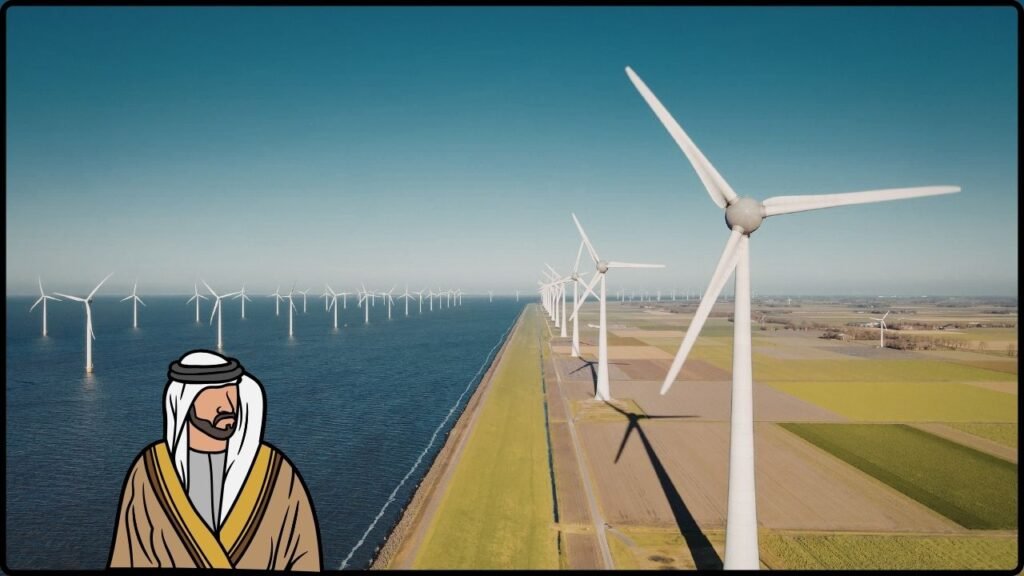
The Arab Energy Secret Is Out: The phrase “Arab Energy Secret Is Out: 1,200 Poles Replace Wind Turbines” has been popping up all over energy blogs and tech news lately. Folks across the United States and around the world are curious: Are traditional wind turbines about to be replaced by swaying poles in the desert? The idea might sound straight outta a sci-fi movie, but the concept behind it—called Windstalk—is a fascinating renewable energy innovation that could reshape how we think about wind power technology.
At its core, Windstalk technology uses tall flexible poles instead of spinning blades to generate electricity. These poles sway naturally with the wind and convert that motion into power using special materials called piezoelectric discs. The concept was proposed for a renewable energy installation near Abu Dhabi and has sparked conversations among engineers, policymakers, and clean-energy advocates worldwide. If it ever scales up commercially, it could offer a quieter, safer, and more artistic way to capture wind energy.
Table of Contents
The Arab Energy Secret Is Out
The idea behind “Arab Energy Secret Is Out: 1,200 Poles Replace Wind Turbines” highlights how creative engineering can reshape renewable energy. The Windstalk concept shows that clean power doesn’t have to look industrial or noisy—it can blend technology, sustainability, and public art. While traditional wind turbines still dominate electricity production, innovations like Windstalk remind us that the future of energy may be quieter, smarter, and more visually inspiring.
| Topic | Key Information |
|---|---|
| Project Name | Windstalk Renewable Energy Concept |
| Proposed Location | Abu Dhabi, United Arab Emirates |
| Number of Energy Poles | 1,200+ flexible poles |
| Height of Poles | Around 55 meters (180 feet) |
| Technology Used | Piezoelectric energy generation |
| Primary Benefit | Silent, bird-safe, low-maintenance wind energy |
| Official Concept Source | Land Art Generator Initiative |
| Reference Website | https://landartgenerator.org |
The Arab Energy Secret Is Out: Understanding the Windstalk Concept
What Is Windstalk?
Windstalk is a conceptual renewable energy design created for the Land Art Generator Initiative, an international competition focused on combining clean energy with public art.
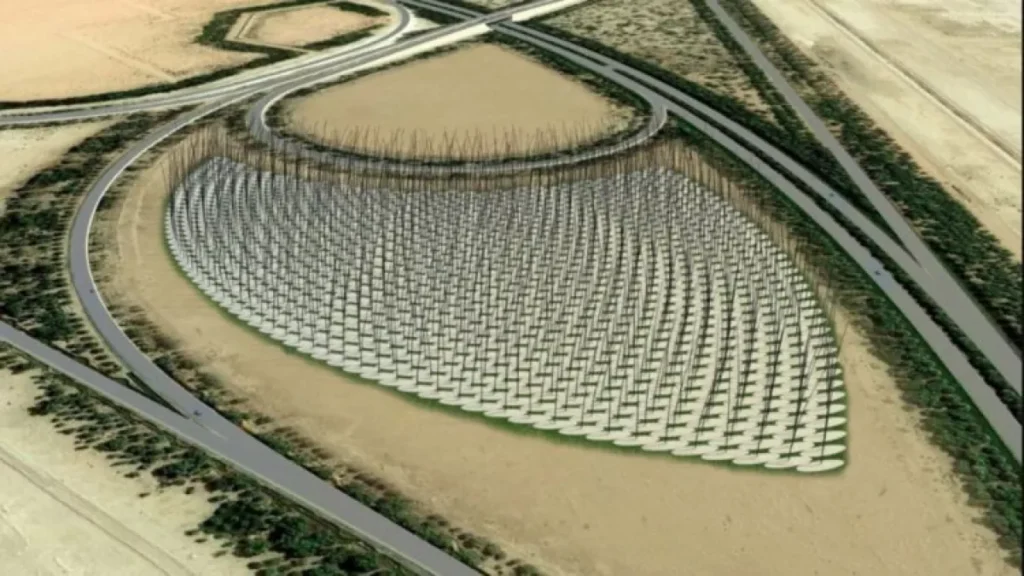
Instead of using large spinning blades like traditional wind turbines, Windstalk proposes installing more than 1,200 carbon-fiber poles arranged across a desert landscape. Each pole is designed to bend gently when the wind blows—kinda like tall grass swaying on the plains.
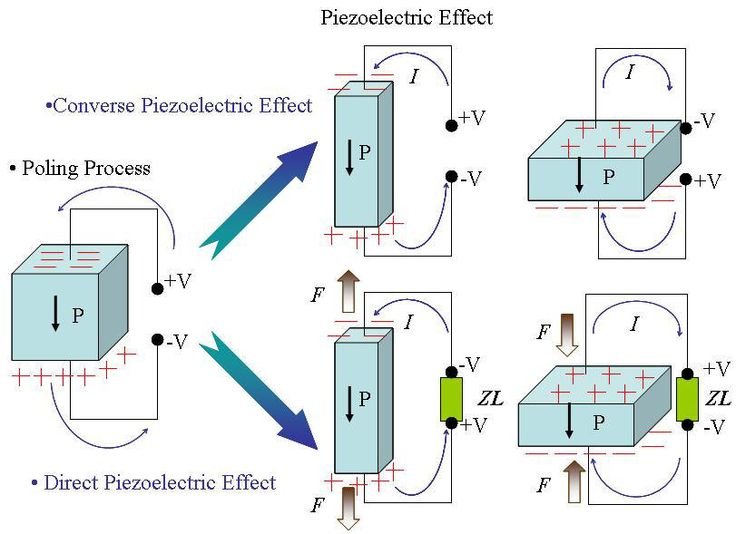
Inside each pole are stacks of piezoelectric ceramic discs. When the pole bends, these discs compress and generate electricity.
Think of it this way:
- Wind pushes the pole
- The pole bends
- The discs inside get squeezed
- Electricity gets produced
Simple idea. Pretty clever engineering.
Why Engineers Are Exploring Blade-Free Wind Energy?
Wind turbines have been around for decades and they’re still one of the fastest-growing renewable energy sources in the world. According to the U.S. Department of Energy, wind power supplied over 10% of electricity in the United States in 2023.
But turbines come with challenges:
- They can be loud
- They require heavy maintenance
- Some communities dislike their appearance
- They sometimes impact bird populations
That’s why engineers are exploring alternatives like bladeless wind technology.
Windstalk is one example of how the industry is trying to make wind energy quieter, safer, and more flexible for different environments.
The Arab Energy Secret Is Out: How Windstalk Generates Electricity?
Step-by-Step Breakdown
Let’s break this down in a simple, easy-to-follow way.
Step 1: Wind Moves the Pole
The poles are made from lightweight carbon fiber, allowing them to bend safely in the wind.
Even a gentle breeze can move them.
Step 2: Motion Activates Piezoelectric Discs
Inside each pole are piezoelectric discs stacked vertically.
Piezoelectric materials produce electricity when they are squeezed or bent.
When the pole sways:
- The discs compress
- Electrical charge is generated
Step 3: Electricity Flows to the Grid
The electricity produced inside each pole travels through wiring to a central system where it can be:
- Stored in batteries
- Sent to the electrical grid
- Used locally
Multiply that process across 1,200 poles, and you get a large renewable power installation.
Comparing Windstalk to Traditional Wind Turbines
| Feature | Traditional Wind Turbines | Windstalk Poles |
|---|---|---|
| Moving Parts | Large spinning blades | Flexible poles |
| Noise Level | Moderate to loud | Very quiet |
| Bird Safety | Some bird collisions | Much safer |
| Visual Impact | Industrial look | Artistic installation |
| Maintenance | Gearboxes and motors | Minimal mechanical parts |
Wind turbines still win on efficiency right now, but Windstalk offers advantages in urban design and environmental impact.
Real-World Benefits of The Arab Energy Secret Is Out
1. Quieter Energy Production
Traditional turbines can produce mechanical noise.
Windstalk poles move silently.
That makes them ideal for:
- Urban parks
- Public installations
- Residential areas
2. Safer for Wildlife
According to the U.S. Fish & Wildlife Service, bird collisions with turbines are rare but still a concern.
Windstalk eliminates spinning blades, which dramatically reduces that risk.
3. Lower Maintenance Costs
Wind turbines rely on:
- Gearboxes
- Bearings
- Rotating shafts
Windstalk systems have fewer mechanical parts, which could reduce maintenance expenses.
4. Renewable Energy + Public Art
One of the coolest features of Windstalk is that it doubles as public art.
At night, LED lights inside the poles glow.
The brightness changes depending on how much energy the poles generate.
Imagine walking through a glowing field that literally shows the wind’s power in real time.
Pretty neat, right?
Could Windstalk Replace Wind Turbines?
Let’s be straight about it.
Right now, Windstalk is still a concept design, not a commercial power plant.
Large wind farms still generate much more electricity.
For example:
- The Alta Wind Energy Center in California produces over 1.5 gigawatts of power.
- That’s enough electricity for hundreds of thousands of homes.
Windstalk may become a supplemental technology, especially for urban or artistic environments.
The Future of Renewable Energy Innovation
Clean energy is evolving fast.
Here are a few emerging technologies engineers are exploring:
Bladeless Vortex Turbines
These use vibration instead of spinning blades to capture wind energy.
Floating Offshore Wind Farms
Massive turbines installed far offshore where wind speeds are stronger.
Solar-Wind Hybrid Systems
Combining solar panels with wind installations to produce power day and night.
The International Energy Agency (IEA) predicts that renewable energy will account for nearly 90% of global power growth by 2030.
Practical Advice for Energy Professionals
If you’re working in energy, architecture, or sustainability, here are some takeaways:
1. Watch emerging technologies.
Concept projects often become real solutions within a decade.
2. Think about community acceptance.
Energy projects that blend with the landscape gain public support.
3. Consider hybrid renewable systems.
Combining wind, solar, and energy storage improves reliability.
4. Invest in research partnerships.
Universities and startups are driving innovation in blade-free wind energy.
Breakthrough Vibration Energy Research Suggests Wind Power Without Turbines May Be Possible
An Always-On Energy Technology Could Reduce Future Power Outages
Remora-Inspired Surface Could Change How Things Stick Underwater