

Ancient Egypt Use Disease as a Weapon: In the long and dusty trail of ancient warfare, a curious tale keeps echoing through the ruins — did Ancient Egypt really use disease as a weapon against the mighty Assyrians? The story has roots in ancient texts and has inspired generations of scholars, storytellers, and even Hollywood-style fiction. But what does the evidence actually say? In this article, we’ll explore the heart of the claim — from biblical references and Herodotus’s writings to modern archaeological findings and military science. We’ll break it down so a young learner can follow, yet load it up with insights for professionals, historians, and educators looking for substance.
Table of Contents
Ancient Egypt Use Disease as a Weapon
So, did Ancient Egypt use disease as a weapon against the Assyrians? Despite the gripping legends, the answer is no. There’s no historical or archaeological evidence that Egypt weaponized disease in any organized way. What likely happened was a natural epidemic, later mythologized into tales of mice, angels, or divine punishment. Still, this ancient tale offers a powerful lesson — in how history, memory, and myth intertwine. It also shows us the limits of even the greatest armies when nature decides to roll the dice.
| Topic | Summary |
|---|---|
| Did Egypt use disease as a weapon? | No historical proof of intentional biological warfare. |
| Herodotus’s mice story | May symbolize plague or divine intervention. |
| Biblical plague account | Mentions 185,000 Assyrians dead overnight — no details on cause. |
| Historical context | Egypt and Assyria were rival powers, battling over territory. |
| Scientific theory | Epidemics were common in ancient camps but likely accidental. |
Setting the Stage: The Empires at War
To understand this ancient rumor, we’ve got to time-travel to around 700 BCE, when the Assyrian Empire was at its peak — ruthless, rich, and militarily unmatched. Led by King Sennacherib, the Assyrians were expanding westward, swallowing cities like snacks.
Egypt, meanwhile, was no rookie. Though its empire had faded from the days of Ramses the Great, the 25th Dynasty (Nubian-led) still had teeth — and a deep interest in stopping Assyrian advancement into the Levant, especially around Judah and Jerusalem.
This set the stage for conflict. Somewhere during these tensions, tales of a mysterious defeat of the Assyrian army began circulating. And here’s where the “disease as a weapon” idea first creeps in.
What the Ancient Sources Say About Ancient Egypt Use Disease as a Weapon?
Herodotus’s Account – The Mice That Saved Egypt?
Herodotus, often dubbed the “Father of History” (and sometimes the “Father of Lies” for his storytelling flair), wrote about a peculiar event in his Histories (Book II, 141). According to him, as Assyrians prepared to battle Egypt, a horde of field mice emerged at night and chewed through their bowstrings and shield straps. When dawn broke, the Assyrians were defenseless and fled or died.
Sounds wild, right?
But even historians in antiquity debated whether the “mice” were literal or symbolic metaphors for disease — particularly because rodents are often associated with plagues. It’s plausible that Herodotus was recounting a garbled version of a real event, filtered through years of oral tradition and folklore.
The Biblical Version – Struck by Divine Hand?
In 2 Kings 19:35 and Isaiah 37:36, the Hebrew Bible gives another version. It tells how an angel of the Lord struck down 185,000 Assyrian soldiers overnight. No mention of disease, mice, or Egyptian strategy — just divine wrath.
Whether divine action or natural cause, the result is the same: a massive and sudden loss of life in the Assyrian camp, ending the siege of Jerusalem and causing the army to retreat.
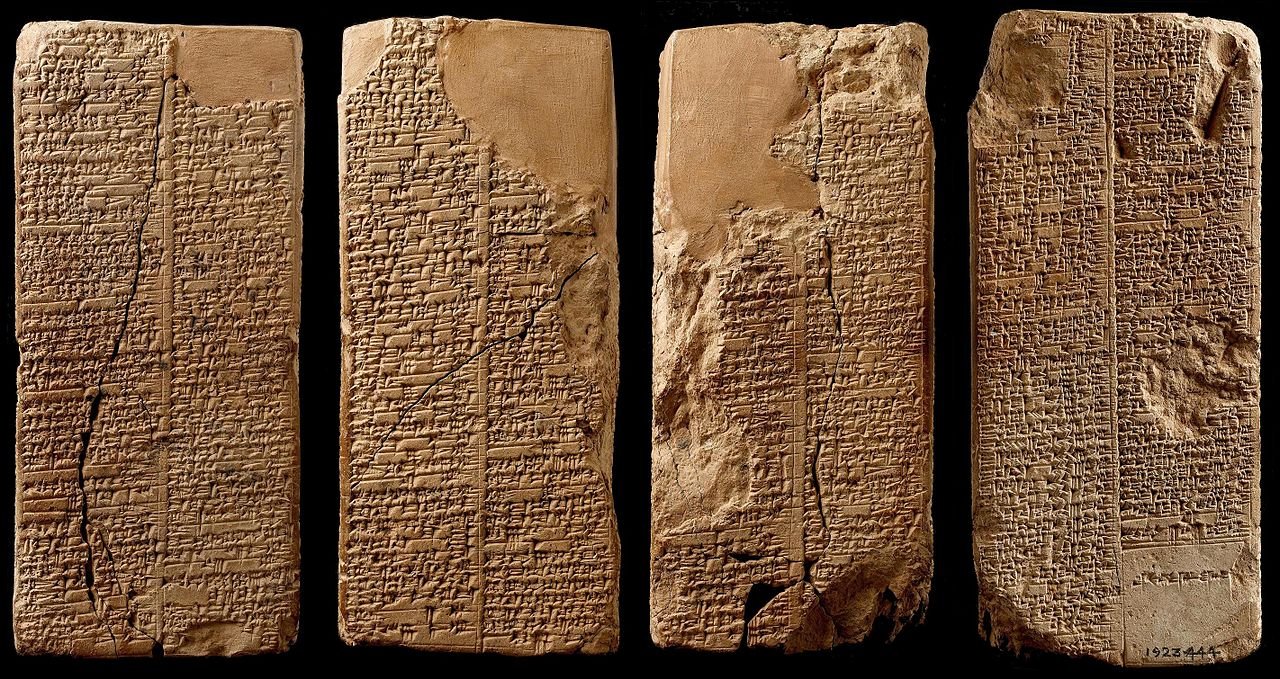
This narrative aligns roughly with Assyrian King Sennacherib’s own records, which mention conquering many Judean cities but do not include Jerusalem — a notable omission that supports the idea of a failed campaign.
Was It a Biological Weapon? Experts Say: Nope
Modern historians and archaeologists are nearly unanimous on this: there’s no evidence that Egypt deliberately unleashed disease as a weapon.
Here’s what they do consider possible:
- Natural outbreaks like typhus, dysentery, or bubonic plague could easily decimate crowded military camps.
- Poor sanitation, limited medical knowledge, and dense troop conditions were recipes for epidemic.
- Field mice or rats may indeed have been present — as disease carriers, not saboteurs.
As Professor Paul E. Hoskisson of Brigham Young University notes in his analysis of these events:
“The most likely explanation is an outbreak of disease. There’s no evidence of biological warfare practices or strategies in Egypt or Assyria during this period.”

Timeline of the Conflict (701 BCE)
| Date | Event |
|---|---|
| Early 700s BCE | Assyria expands westward under Sargon II and Sennacherib. |
| ~705 BCE | Sennacherib becomes king of Assyria. |
| 701 BCE | Sennacherib’s army campaigns in Judah, besieging cities including Lachish. |
| Mid 701 BCE | Assyrians reportedly besiege Jerusalem. Egypt possibly intervenes. |
| Late 701 BCE | Sudden calamity (plague?) strikes Assyrians; army withdraws. |
| Aftermath | Jerusalem survives; Sennacherib omits siege in inscriptions. |
Ancient Egypt Use Disease as a Weapon: What Archaeology Tells Us
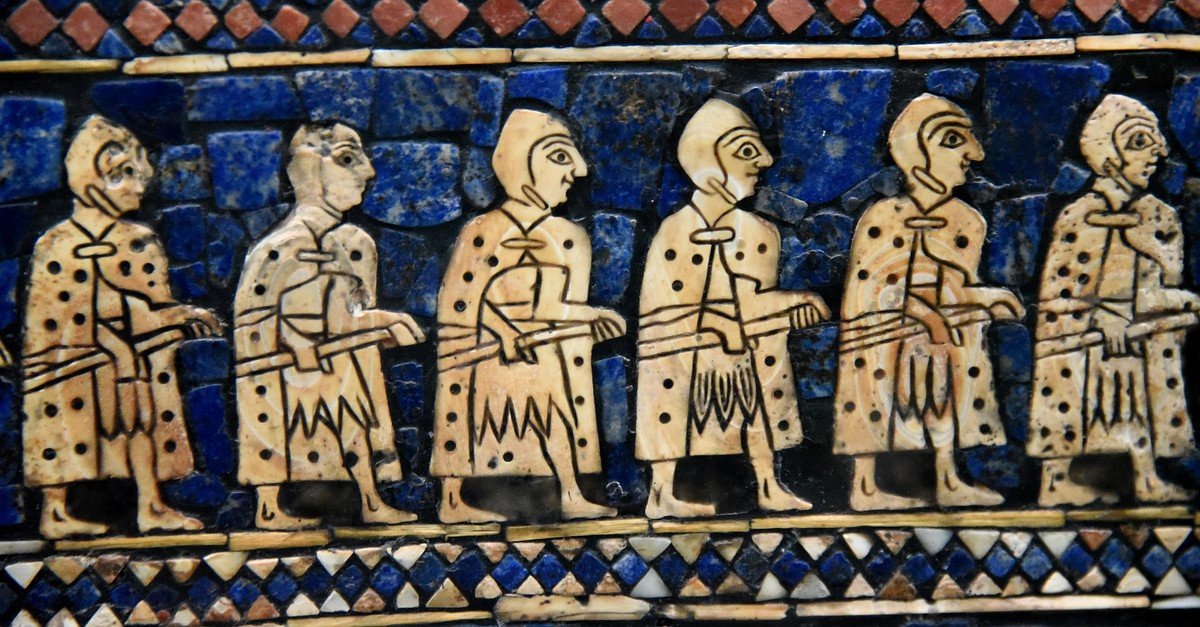
Archaeological digs at Lachish, a city near Jerusalem, confirm that the Assyrians did attack and destroy the city with a brutal siege ramp. This event is even depicted in Sennacherib’s palace reliefs in Nineveh.
However, no physical or textual evidence from Egypt indicates a plan or ability to deploy disease. Most Egyptian warfare strategies involved archery, chariots, and alliances, not microbiological tactics.
In contrast, their enemies — including the Hittites and later Persians — recorded plagues as divine punishment, not tactical assets.
What Does Science Say About Ancient Plagues?
Diseases like bubonic plague, smallpox, and dysentery were common in the ancient world. The Centers for Disease Control and Prevention (CDC) confirms that plague outbreaks have historically occurred in overcrowded, unsanitary conditions, like those found in military encampments.
Fleas carried by rodents were primary vectors. One infected flea could spread disease rapidly. It’s entirely plausible that something similar occurred in the Assyrian camp — not by design, but by bad luck.
In a study published in the Journal of Ancient Diseases, researchers estimate that a single plague carrier could infect 10+ soldiers within 24 hours, leading to exponential spread.
Did Other Cultures Try Biological Warfare?
While Egypt doesn’t appear to have used disease intentionally, there are some early examples elsewhere:
- Hittites (14th century BCE): Some historians believe they may have sent infected rams into enemy territory.
- Greeks: Described enemies poisoning wells or water sources.
- Scythians: Allegedly dipped arrows in rotting bodies or feces to infect wounds.
However, these were sporadic and crude methods, not organized biological programs.

A Handprint Made Nearly 68,000 Years Ago May Be the Oldest Human Art Ever Found
Archaeologists Identify the Oldest Poisoned Arrows Ever Found, Dated 60,000 Years
A 28000-Year-Old Mystery — Evidence Suggests a Bear May Have Killed Il Principe