
Reports circulating online under the headline “Classic Cream May Show Noticeable Skin Changes in Two Weeks” have attracted wide public attention. Dermatologists say the claim contains elements of scientific truth. However, experts stress the results linked to a Classic Cream mainly reflect hydration and skin barrier repair rather than permanent reversal of aging.
Table of Contents
Popular Classic Cream May Show Noticeable Skin Changes in Two Weeks
| Key Fact | Detail |
|---|---|
| Skin renewal cycle | Outer skin renews about every 14–28 days |
| Moisturizer effect | Hydration reduces visible fine lines |
| Anti-aging limits | Collagen rebuilding requires retinoids or procedures |
Medical experts broadly agree the viral claim contains a kernel of truth. Visible changes occur because hydration smooths the skin surface and restores the barrier. However, deeper aging processes remain unaffected. As Dr. Kassouf summarized, “Consistent moisturizing supports healthy skin, but realistic expectations are essential.
Understanding the Classic Cream Claim
The Classic Cream story centers on widely available moisturizing creams often sold in pharmacies and supermarkets. Recent consumer reports and lifestyle coverage described smoother skin within roughly two weeks of daily use.
Medical professionals say the time frame is plausible.
“The skin barrier responds quickly to hydration,” said Dr. Rajani Katta, a board-certified dermatologist and clinical faculty member at Baylor College of Medicine. “Repair dryness and the surface becomes smoother. People interpret that as anti-aging.”
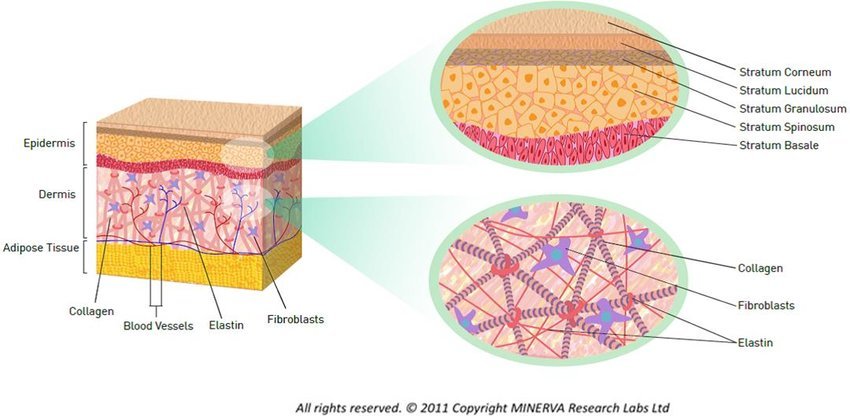
The outermost skin layer — the stratum corneum — acts as a protective shield. According to the American Academy of Dermatology (AAD), restoring moisture allows damaged skin cells to swell slightly and lie flatter, improving texture and brightness.
Why Results May Appear Within Two Weeks
Skin Cell Turnover
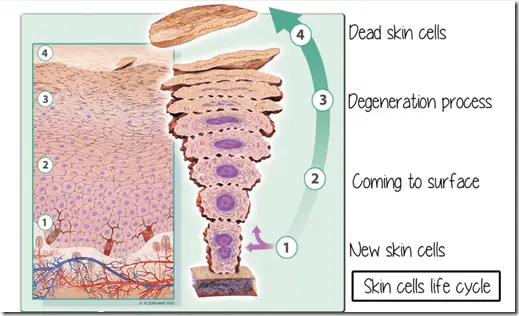
The timeline associated with the Classic Cream aligns with normal skin biology. Epidermal cells naturally replace themselves in cycles lasting roughly two to four weeks.
When hydration improves during a renewal cycle, new surface cells appear more uniform and reflective. Dermatologists describe the effect as optical improvement rather than structural change.
“Moisturizers don’t erase wrinkles,” said Dr. Shari Lipner, a dermatologist at Weill Cornell Medicine. “They improve how the skin reflects light and reduce roughness.”
Barrier Repair
Skin naturally loses water through transepidermal water loss. Moisturizers slow this process by sealing hydration inside the skin.
The AAD states effective creams often contain:
- glycerin (water-binding humectant)
- ceramides (barrier lipids)
- hyaluronic acid (moisture-retaining molecule)
As hydration improves, redness and irritation decrease. Dermatologists say this explains why people often see quick results with a Classic Cream.
What the Cream Does — and Does Not Do
Cosmetic Improvement vs Biological Aging
Experts emphasize a key distinction. Hydration can soften the appearance of fine lines but cannot reverse biological aging.
“True anti-aging treatments stimulate collagen production,” said Dr. Amy Kassouf, dermatologist at the Cleveland Clinic. “Moisturizers act on the surface layer. Collagen exists deeper.”
Collagen fibers are located in the dermis beneath the epidermis. A cream cannot penetrate deeply enough to rebuild them.
Who Benefits Most
Dermatologists say the greatest improvements occur in individuals with dry or dehydrated skin.
Dehydration lines form when skin lacks water. These lines respond rapidly to hydration. In contrast, wrinkles caused by sun damage and genetics remain largely unchanged.
“Many people are treating dryness rather than aging,” Dr. Katta said. “Fix dryness and they appear younger.”
Ingredient Science: Why Some Classic Creams Work
Many classic moisturizers rely on a three-part formulation:
Humectants: attract water into skin
Emollients: smooth rough edges between skin cells
Occlusives: seal moisture
Petrolatum, a common ingredient, is particularly effective. The U.S. Food and Drug Administration recognizes it as a skin protectant. Studies have shown it can reduce water loss by nearly 99%.
Ceramides also play a major role. These lipids make up about half of the skin barrier. With age, ceramide levels decline, contributing to dryness and roughness.
Dermatologists say restoring these lipids explains the rapid changes attributed to a Classic Cream.
Safety and Consumer Guidance
Basic moisturizers are generally safe. However, doctors advise reading ingredient labels.
Fragrance and certain preservatives can irritate people with eczema or rosacea. The National Eczema Association recommends fragrance-free products to prevent inflammation.
Patch testing is also advised. Dermatologists recommend applying a small amount behind the ear or on the forearm for 24 hours before widespread use.
Broader Context: Why the Story Spread
The rise of the Classic Cream trend reflects economic and cultural factors.
Consumers worldwide are reevaluating expensive skincare routines. Market research firm NielsenIQ reports growing demand for lower-cost drugstore products.
Dermatologists say simple routines can be beneficial.
“Over-treating skin causes irritation,” said Dr. Kassouf. “In many cases, fewer products improve skin health.”
Social media has amplified the trend. Short videos demonstrating before-and-after results can spread quickly, even when lighting and camera differences influence appearance.
Public Health Perspective
Dermatologists say the biggest long-term skin benefit does not come from moisturizers — it comes from sun protection.
The World Health Organization (WHO) estimates excessive ultraviolet exposure causes the majority of premature skin aging worldwide. Sunscreen prevents collagen breakdown and pigmentation.
“Moisturizer helps appearance,” said Dr. Lipner. “Sunscreen protects structure.”
Experts recommend combining a Classic Cream with daily broad-spectrum SPF 30 or higher.
Regulatory Oversight
Moisturizers fall under cosmetic regulation in most countries. In the United States, the Food and Drug Administration (FDA) does not require pre-approval before sale unless a product claims to treat a disease.
That means anti-aging marketing claims are often based on consumer perception studies rather than medical trials.
Dermatologists encourage consumers to distinguish between:
- cosmetic claims (“appearance of wrinkles”)
- medical claims (“treats wrinkles”)
The latter requires drug approval.
What Science Says About Two-Week Skin Changes
Clinical dermatology studies have documented measurable improvements in skin smoothness and hydration after consistent moisturizer use for 10–14 days.
However, results depend on continued use. When stopped, skin returns to baseline dryness.
That limitation is central to understanding the Classic Cream claim.
Economic and Accessibility Impact
Experts note a positive outcome of the trend: improved accessibility.
Many effective moisturizers cost a fraction of luxury skincare. Dermatologists say lower-cost products can perform equally well when ingredient composition is similar.
The AAD has repeatedly stated that brand prestige does not determine effectiveness.
Practical Routine Recommended by Dermatologists
Experts suggest a simple regimen:
Morning
• Gentle cleanser
• Classic Cream moisturizer
• Sunscreen
Night
• Gentle cleanser
• Moisturizer
Optional medical treatments such as retinoids can be added under professional supervision.
FAQs About Popular Classic Cream May Show Noticeable Skin Changes in Two Weeks
Does a Classic Cream permanently remove wrinkles?
No. It temporarily improves appearance by hydrating skin.
Why does it work quickly?
Because the skin barrier repairs rapidly during one renewal cycle.
Are expensive creams better?
Not necessarily. Ingredients matter more than price.
Should teenagers use anti-aging creams?
Dermatologists generally recommend simple moisturizing and sun protection only.