
Mammoth Cave Fossils: When we say “ancient fossils,” most folks think of dinosaurs. But the fossils in Kentucky’s Mammoth Cave National Park? They way outdate the dinosaurs. That’s right — Mammoth Cave fossils reveal life from 325 million years ago, during a time when the land we now call Kentucky was submerged under a shallow, tropical sea.
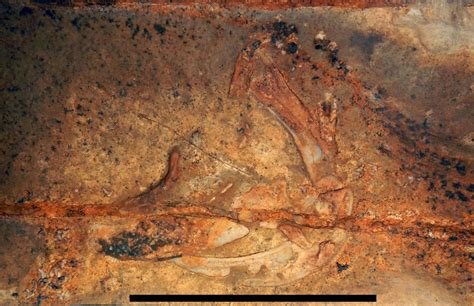
Today, deep beneath the Appalachian foothills, scientists are crawling through tight limestone passages, discovering rare shark fossils and marine relics that offer a direct window into Earth’s distant past. These finds are not just old — they’re some of the best-preserved fossil specimens ever found in a cave system, and they’re helping researchers understand how life evolved long before humans, or even reptiles, walked the Earth.
Table of Contents
Mammoth Cave Fossils
Mammoth Cave fossils reveal life from 325 million years ago — and that’s more than a scientific discovery. It’s a time machine. From prehistoric sharks to ancient coral reefs, these rocks whisper stories of a lost world. For researchers, it’s a chance to fill gaps in evolutionary history. For kids and families, it’s a spark for curiosity. And for our planet, it’s a reminder of how much we’ve changed — and how much we still have to learn.
| Topic | Key Facts / Stats |
|---|---|
| Location | Mammoth Cave National Park, Kentucky, USA — the world’s longest cave system |
| Fossil Age | ~325 million years old (Mississippian Period, Carboniferous era) |
| Species Discovered | Troglocladodus trimblei, Glikmanius careforum (ancient sharks) |
| Fossil Types | Teeth, fin spines, cartilage, gill structures |
| Preservation Quality | Exceptionally high due to stable cave environment |
| Significance | Offers insights into prehistoric marine life and early shark evolution |
| Official Park Info | NPS Fossil Discoveries – Mammoth Cave |
Setting the Scene: Before the Dinosaurs Ruled
Let’s go back — way back — to a time when the continents were still shifting and swirling like puzzle pieces on warm water. It’s the Mississippian Period, around 325 million years ago. Instead of Kentucky’s forests and hills, there was a tropical inland sea, warm and teeming with primitive life.
Fish, crinoids (sea lilies), armored invertebrates, and early sharks roamed these waters. Beneath them, layers of sediment settled over time, forming what would eventually become the limestone bedrock of Mammoth Cave. Little did they know — their bones, teeth, and cartilage would be fossilized, waiting eons to be uncovered.
Mammoth Cave Fossils Found: Meet the Sharks of the Ancient Sea
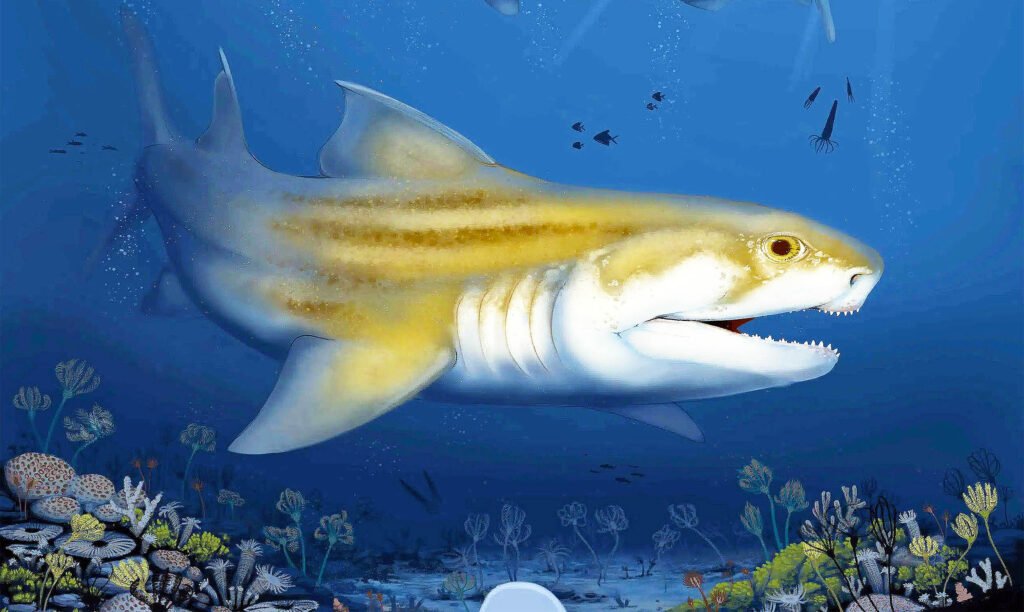
Among the headline discoveries inside Mammoth Cave are two prehistoric shark species never seen before:
- Troglocladodus trimblei – Named for its distinctive, branching teeth. Scientists believe it was a 10–12-foot predator that ruled the shallows.
- Glikmanius careforum – Another large predator, possibly related to modern sharks, but built for a much different sea.
These sharks belong to an ancient group called ctenacanths, a family of cartilaginous fishes. Unlike bony fish, sharks have cartilage skeletons, which almost never fossilize. But here’s the kicker — the cool, stable conditions inside the cave protected these remains from erosion and time. Researchers found not just teeth but rare gill structures and parts of cartilage — stuff that usually breaks down fast.
The fact that these fossils even survived is incredible. The fact they’re so well-preserved? That’s what makes this a world-class discovery.
A National Treasure: The Significance of Mammoth Cave
If you’ve never heard of Mammoth Cave National Park, here’s the scoop: It’s not just any cave. It’s the longest known cave system on the planet, with over 426 miles mapped and probably many more yet to be explored. It’s a UNESCO World Heritage site and has been a place of exploration, wonder, and now — serious science.
The cave’s rock layers preserve a timeline of life on Earth. From crinoids to corals to sharks, the cave has it all. It’s like a natural library of evolution. The fossil record here spans the Paleozoic Era, making it crucial for understanding ancient ecosystems.
And there’s more: Native American artifacts from 4,000+ years ago have also been found in the cave, showing that long before European settlers ever set foot on this land, Indigenous people explored these same depths, likely encountering the fossilized remains themselves.
How These Mammoth Cave Fossils Were Discovered: Boots, Lamps, and Patience
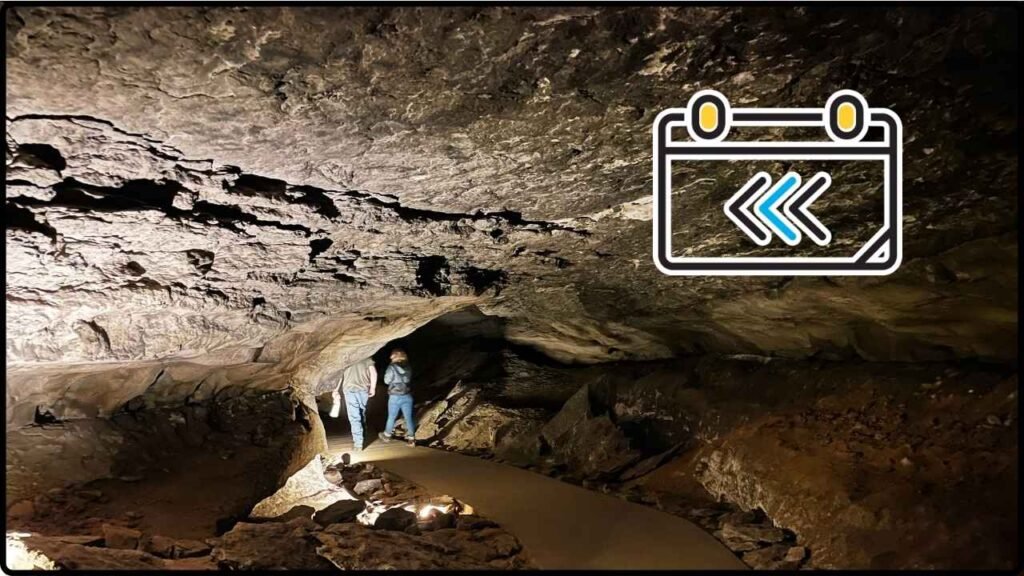
These aren’t fossils you just stumble on during a cave tour. Most were found far from public trails — in tight, muddy crawl spaces where researchers must crawl on hands and knees, carrying delicate tools and bright headlamps. It’s hot, humid, and physically demanding.
The process goes something like this:
- Cave Surveying: Paleontologists, often with park rangers, scout areas known to have limestone from the Mississippian period.
- Identification: Fossils like teeth or bone fragments are spotted embedded in walls or ceilings.
- Careful Extraction: Delicate tools are used to remove fossils without damaging the surrounding stone.
- Documentation: Each fossil’s location, orientation, and rock type are logged in detail.
- Analysis: Back at the lab, researchers study the fossils under microscopes, compare them to known species, and sometimes — like now — name a brand-new one.
This process can take months, even years, but the payoff is a clearer picture of what life on Earth once looked like.
Why Mammoth Cave Fossils Matters: Evolution, Ecosystems, and Education
Let’s talk impact. These discoveries are more than scientific trophies — they rewrite chapters in the book of life. Understanding the structure and adaptations of these sharks tells us how modern species might have evolved.
Professionals in paleontology, biology, and environmental sciences use this data to:
- Track evolutionary changes over time
- Study how ecosystems respond to climate shifts
- Improve species classification systems
- Inspire conservation efforts using lessons from ancient extinctions
But this isn’t just for the scientists. Teachers use these discoveries to spark kids’ interest in STEM. Museums create exhibits that transport people to an ancient underwater world. And school kids — maybe even your own — get inspired to become tomorrow’s scientists.
Then and Now: A Changing Planet
Back when these sharks swam the Kentucky sea, the Earth looked nothing like it does today.
- Continents: North America was near the equator, and the Appalachian Mountains were still forming.
- Climate: The air was warm and humid; oxygen levels were higher than today.
- Life on Land: Plants dominated the landscape, with insects and amphibians just starting to explore.
- Sea Life: Coral reefs, bony fish, and predatory sharks like the ones in Mammoth Cave ruled the oceans.
Over time, continental drift, volcanic activity, and ice ages transformed the planet — raising land where seas once were and carving out caves like Mammoth through millions of years of water erosion.
Real-World Application: Fossils and Careers in Science
For students or professionals wondering, how can I be part of discoveries like this? — here’s a path:
- Study Paleontology or Geoscience in college (many U.S. universities offer programs).
- Intern or volunteer at museums or parks like Mammoth Cave.
- Learn GIS mapping, fossil prep, and fieldwork techniques.
- Stay updated through organizations like the Society of Vertebrate Paleontology.
- Follow active research and open fossil databases like Paleobiology Database.
There’s room for everyone — from data analysts to artists who illustrate fossil reconstructions. Science isn’t just lab coats. It’s boots, mud, and a sense of wonder.
Earth’s Rotation Is Gradually Slowing — What It Means for the Length of a Day
Scientists Recover a Woolly Rhino Genome From a Wolf’s 14,400-Year-Old Meal
The Best-Preserved Dinosaur Embryo Ever Found May Unlock Secrets of De-Extinction