

February 2026 Stimulus And IRS Direct Deposit: If you’re living in the United States and wondering about the February 2026 stimulus and IRS direct deposit updates, you’ve come to the right place. With all the chatter online, it’s easy to get confused about what payments are actually being issued, how refunds are processed, and what steps you can take to make sure your money lands safely in your account. This guide breaks it all down in plain, friendly language, while still giving the depth and professional insight you need.
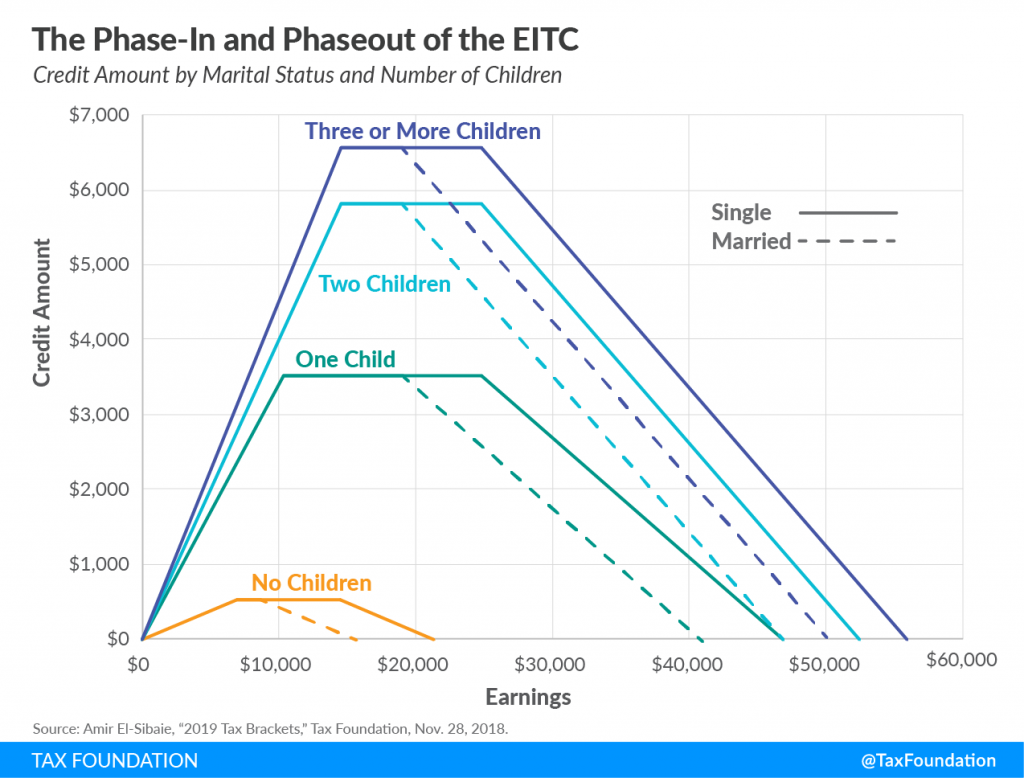
As of February 2026, no new federal stimulus checks are scheduled. Instead, the IRS is focused on processing tax refunds, including regular refunds, Earned Income Tax Credit (EITC), and Child Tax Credit (CTC) claims. While you won’t be seeing surprise stimulus deposits, there are still important updates and practical steps that can help you get your refund faster, avoid common mistakes, and stay protected against scams.
Table of Contents
February 2026 Stimulus And IRS Direct Deposit
For February 2026, there are no new federal stimulus checks, but the IRS continues to process tax refunds, including credits like EITC and CTC. Direct deposit is the safest and fastest method for receiving refunds, while verification for certain credits may cause minor delays. Filing accurately, monitoring your refund using official tools, and avoiding scams will ensure you get your money efficiently. Staying informed and proactive is the key to smooth refund processing.
| Topic | Details |
|---|---|
| Stimulus Payments | No federal stimulus check is scheduled for Feb 2026. Proposed $2,000 tariff dividend is still pending congressional approval. |
| Tax Refunds | Regular refunds via direct deposit: ~21 days from e-file acceptance. |
| EITC/ACTC Refunds | May be delayed until early March 2026 due to verification requirements. |
| Paper Checks | Mostly phased out; direct deposit is fastest and safest. |
| Fraud Warning | IRS will not ask for banking info via email/text. Verify payments via official tools. |
| State Tax Refunds | Refund timelines vary by state; some issue payments faster than the federal government. |
Why There Is No New Stimulus in February 2026?
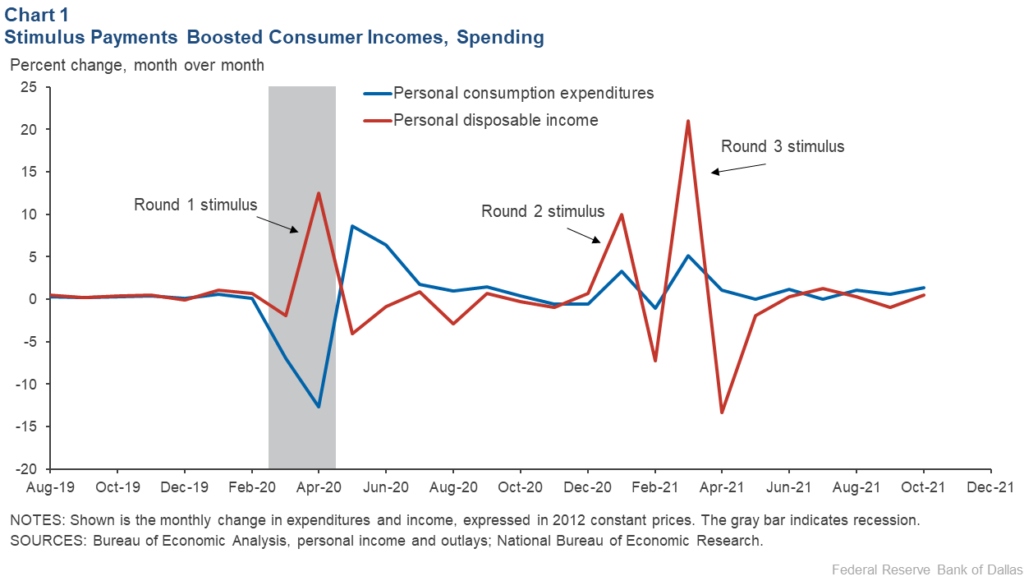
Many Americans are used to seeing surprise stimulus deposits, especially after the COVID-19 relief packages in 2020–2021. Those payments, known as Economic Impact Payments (EIP1, EIP2, EIP3), helped millions cover bills, groceries, and unexpected expenses. While the idea of a $2,000 “tariff dividend” has circulated in political discussions, it has not been approved by Congress and therefore is not scheduled for February 2026.
Instead, the federal government is focused on targeted relief programs and tax-related credits, rather than universal stimulus payouts. Understanding this distinction helps taxpayers avoid being misled by rumors online. Any message claiming you’ll automatically receive money without filing taxes or applying through official channels should be treated as misinformation.
Understanding February 2026 Stimulus And IRS Direct Deposit
One of the major changes in recent years is the IRS’s preference for direct deposit. It’s faster, safer, and reduces the chances of errors or fraud compared to paper checks.
How Refunds Are Processed: Step-by-Step
- Filing and Acceptance: Once you submit your tax return electronically, the IRS typically sends confirmation within 24–48 hours. Paper returns take longer to be logged into the system.
- Review and Verification: Most returns are processed quickly, but claims involving EITC or CTC undergo additional verification to ensure eligibility.
- Refund Calculation: The IRS calculates your refund based on your reported income, withholding, and applicable credits.
- Payment Issuance: Refunds are sent via direct deposit if you provided your bank details. Paper checks are rarely issued and take longer.
- Monitoring and Updates: You can track your refund in real-time using official IRS tools.
Pro Tip: Small mistakes, like a mistyped bank routing number or mismatched Social Security information, can delay refunds for weeks. Accuracy is key.
Tips for Getting Your Refund Faster
- File Early: Filing as soon as possible reduces the likelihood of delays due to processing bottlenecks.
- Use Direct Deposit: Electronic payments are both faster and more secure than paper checks.
- Check Your Details: Verify your name, SSN, bank routing number, and filing status to prevent errors.
- Track Your Refund: Use IRS Where’s My Refund? or the IRS2Go app to monitor your refund daily.
- Be Patient with Credits: EITC and Child Tax Credit refunds may require additional verification. Expect these refunds in early March 2026.
- Avoid Scams: The IRS never requests banking information through email or text. Only use official IRS tools to verify your refund.
Example: Sarah filed her tax return on February 1, 2026, using direct deposit. Her refund arrived around February 22. Mark, claiming EITC, had to wait until early March due to verification requirements. Meanwhile, John made a typo in his bank account number, delaying his refund by three weeks. Attention to detail matters.
State Tax Refunds: What You Need to Know
Many states have their own income tax systems with different processing timelines. Some states issue refunds faster than the federal IRS, while others may take longer. Here are a few examples:
- California: E-filed refunds generally arrive within 2–3 weeks.
- New York: Refunds appear within 2–4 weeks of processing.
- Texas & Florida: No state income tax, only federal refunds apply.
To check your state refund status, visit your state’s tax department website.
Who Is Most Affected by Refund Delays?
- Self-Employed or Gig Workers: Accurate reporting of 1099 income is critical. The IRS may take extra time to verify deductions and credits.
- Families with Children: Child Tax Credits can increase refunds but may trigger additional review.
- Retirees and Seniors: Social Security income may impact eligibility for certain credits, which could delay refunds slightly.
Professional Insights from a Tax Expert
As a CPA with years of experience, here’s what I recommend:
“Direct deposit is your friend. File early, double-check every detail, and monitor your refund online. The IRS has become faster than ever, but credits like EITC and CTC will always require verification. Don’t believe every post claiming automatic stimulus payments — official confirmation from IRS.gov is the only source you should trust.”
Professional advice also includes consulting with a tax preparer if your financial situation is complex. High-income earners, business owners, and those with multiple dependents may benefit from personalized guidance.
New IRS Guidance Could Change How Millions Claim Tax Benefits in 2026 – Check Details
Why 2026 Could Change Retirement Plans Across the U.S.
New Social Security Bill Could Bring a $200 Monthly Boost in 2026