
The compact SUV space in India has changed rapidly in the last few years. Buyers now expect not only bold styling and practicality but also modern technology and low running costs. Tata Motors has already proven its strength in both the micro-SUV and electric vehicle segments. After the success of its petrol-powered Punch and the growing popularity of models like Nexon EV and Tiago EV, the company is clearly preparing the next logical step — an electric version of its most accessible SUV.
The upcoming electric Punch is expected to carry forward the rugged personality that made the original model popular while introducing cleaner mobility. Instead of reinventing the vehicle completely, Tata Motors appears ready to adapt the design, comfort features, and safety strengths of the current Punch and combine them with a new electric powertrain. That approach makes sense: the Punch already has a strong identity and urban practicality. Adding electric mobility will simply make it more future-ready.
The Punch EV 2026 is being designed as a city-friendly electric SUV that still feels capable for highways and occasional rough roads. Tata Motors is likely to position it as an affordable EV for first-time buyers, young professionals, and small families. With improved range, fast charging capability, connected technology, and upgraded interiors, the model could become one of the most important electric launches in the small SUV category.
Table of Contents
Punch EV 2026 Overview Table
| Category | Expected Details |
|---|---|
| Body Type | Micro Electric SUV |
| Platform | Modified ALFA architecture (EV adapted) |
| Battery Pack | Estimated 25–35 kWh options |
| Range | Approx. 300–400 km (claimed) |
| Charging | Fast DC charging + home AC charging |
| Drive Type | Front-wheel drive electric motor |
| Safety | High-strength body structure, airbags, ABS, ESC |
| Infotainment | Touchscreen system with smartphone connectivity |
| Connectivity | Connected car technology (app-based control) |
| Interior | High seating, spacious cabin, modern dashboard |
| Design | SUV styling with bold front fascia and cladding |
| Target Buyers | Urban commuters and first-time EV owners |
Punch EV 2026 Design
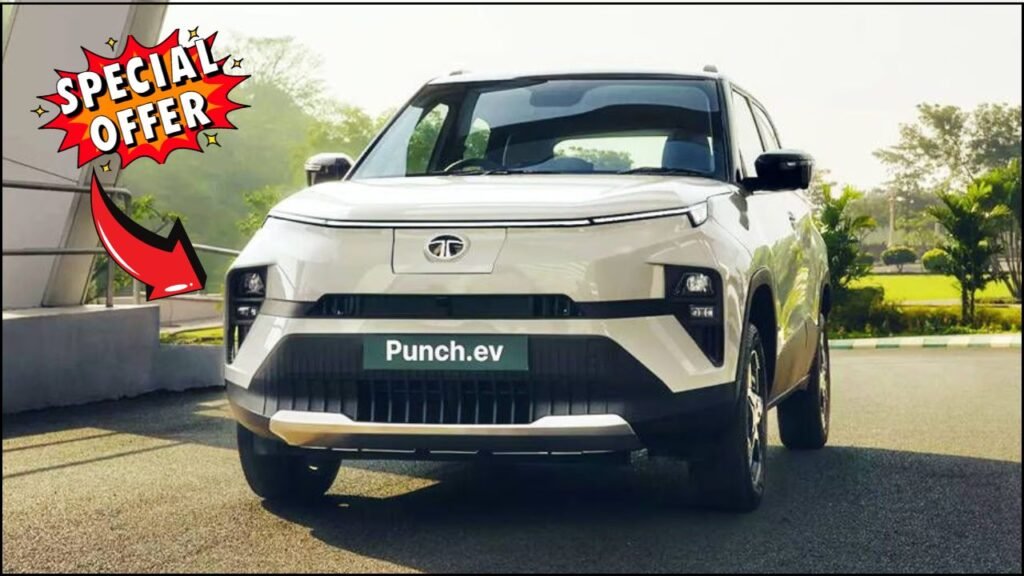
The current Punch already stands out because of its upright stance and confident proportions. Tata Motors is expected to keep that character intact in the electric version. The front fascia will likely receive a closed grille — a common EV design feature — along with signature LED daytime running lamps.
The split headlamp setup should continue, positioned lower on the bumper, giving the SUV a more muscular look. Thick body cladding, squared wheel arches, and a high bonnet line are expected to remain unchanged because they define the model’s personality. The floating roof design and dual-tone colour options will likely carry forward as well.
Aerodynamic alloy wheels may be introduced to improve efficiency, and blue highlights could differentiate the EV variant from the petrol version. Overall, the goal appears simple: keep the tough SUV image but make it look more modern and electric.
Punch EV 2026 Performance
While the petrol Punch focuses on reliability and ease of driving, the electric version will emphasize smoothness and instant torque. An electric motor produces power immediately, which means faster acceleration in city traffic compared to a conventional engine.
The Punch EV is expected to deliver:
- Quick response at low speeds
- Silent cabin experience
- Smooth automatic driving (no gear shifts)
For daily commuters, this makes a big difference. Traffic driving becomes easier because there is no clutch, no gear changes, and minimal vibration. Even highway overtakes should feel more confident due to instant torque.
Tata Motors may offer multiple drive modes — Eco, City, and Sport — allowing drivers to choose between efficiency and performance depending on the situation.
Range and Charging
One of the biggest concerns for EV buyers is range. Tata Motors understands this well and is expected to equip the Punch EV with a practical battery size suitable for daily commuting.
The likely real-world usage scenario:
- Office commute: 20–40 km per day
- Weekend travel: 100–150 km
- Occasional highway runs
With an estimated 300–400 km claimed range, most users may only need to charge once or twice a week.
Charging options are expected to include:
Home AC Charging
- Overnight charging
- Most convenient for daily use
DC Fast Charging
- 10% to 80% charge in under an hour (expected)
- Useful for highway travel
Tata Motors will also continue expanding its public charging network, which will make ownership easier and reduce range anxiety.
Interior & Comfort
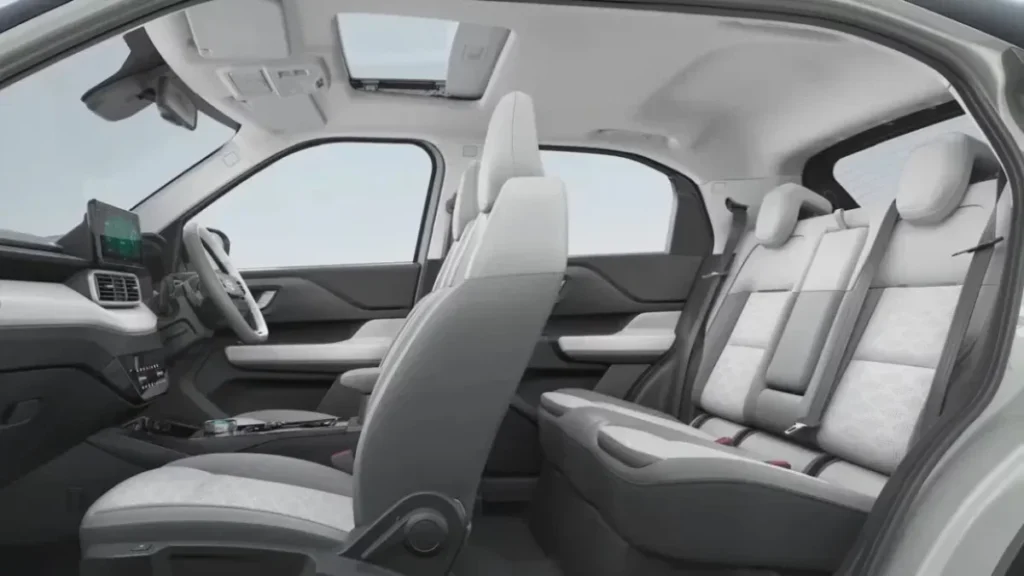
The original Punch gained appreciation for its surprisingly spacious cabin, and the EV version should build on that strength. The tall seating position offers good road visibility, which many urban drivers prefer.
Expected interior highlights:
- Flat floor feel due to EV packaging
- Improved rear seat comfort
- Good headroom for tall passengers
- Large boot for luggage
The dashboard may receive a refreshed layout with a cleaner design. Premium fabric upholstery and soft-touch elements could be added to enhance the cabin experience. Climate control, steering-mounted controls, and push-button start are also likely.
Because electric vehicles produce less noise, cabin insulation becomes more noticeable. Tata Motors is expected to improve sound damping, making the interior quieter than the petrol model.
Infotainment & Connectivity Features in Punch EV 2026
Technology plays a big role in modern cars, and the Punch EV is expected to feature an upgraded infotainment system. A touchscreen display will likely support:
- Android Auto
- Apple CarPlay
- Bluetooth calling
- Music streaming
- Voice commands
The system should be simple and responsive since the car is targeted at daily commuters rather than tech enthusiasts.
Connected Car Technology
Tata Motors already offers app-based connectivity in its EV lineup, and the Punch EV should also include it. Through a smartphone application, owners may be able to:
- Check battery percentage
- Locate the car
- Start climate control remotely
- Monitor charging status
- Track trip statistics
This feature becomes especially useful in hot weather because users can pre-cool the cabin before entering the car.
Safety Features in Punch EV 2026
Safety has always been a major selling point for the Punch. The electric version is expected to retain a strong body structure along with modern safety features.
Likely safety equipment:
- Dual airbags
- ABS with EBD
- Electronic Stability Control
- Hill hold assist
- Rear parking sensors and camera
- High-strength safety cell
Because EV batteries are mounted low in the floor, they can also improve stability by lowering the centre of gravity. This helps in better handling and reduces body roll.
Colours & Personalisation
Tata Motors usually offers multiple bright colour options for the Punch, and the EV version may add exclusive shades. Expect dual-tone roof combinations, sporty accents, and EV-specific detailing.
Younger buyers often value individuality, so personalization accessories such as interior trims, decals, and wheel covers may also be offered.
Why It Matters
The Punch EV is important not just for Tata Motors but for the Indian EV market. Most electric cars today are either expensive or hatchbacks. A compact SUV with practical range and reasonable pricing fills a major gap.
It could become:
- A first EV for many families
- A daily commuter vehicle
- A replacement for petrol city cars
Running costs will be significantly lower than petrol vehicles, and maintenance should also be simpler because electric motors have fewer moving parts.
Expected Price and Positioning
Tata Motors will likely place the Punch EV between the Tiago EV and Nexon EV. That means it could become one of the most affordable electric SUVs in India.
If priced correctly, it may compete with:
- Small petrol SUVs
- Premium hatchbacks
- Entry-level EVs
For many buyers, the decision may no longer be “petrol vs electric” but simply which EV to choose.
Final Thoughts
The upcoming electric Punch appears to be a carefully planned evolution rather than a radical experiment. Tata Motors is taking a proven vehicle and upgrading it for a future where electric mobility becomes normal. By combining SUV styling, safety, connected technology, and practical range, the car could appeal to a wide audience.
More importantly, it simplifies electric adoption. Buyers won’t need to learn a completely new kind of vehicle — they will simply drive a familiar SUV that runs on electricity instead of fuel.
If Tata Motors delivers good range, quick charging, and competitive pricing, the Punch EV 2026 has the potential to become one of the most significant small electric SUVs in India and a strong step toward everyday electric mobility.