
Every month, millions of American households depend on SNAP food assistance to buy groceries and manage rising food prices. February 2026 is no different, but many recipients often worry when the month begins and their Electronic Benefit Transfer (EBT) card balance still shows zero.
The confusion usually comes from one simple fact: SNAP does not follow a single national payday. Instead, payments are released in stages throughout the month. Knowing how the system works can prevent unnecessary stress and help families plan grocery shopping more confidently.
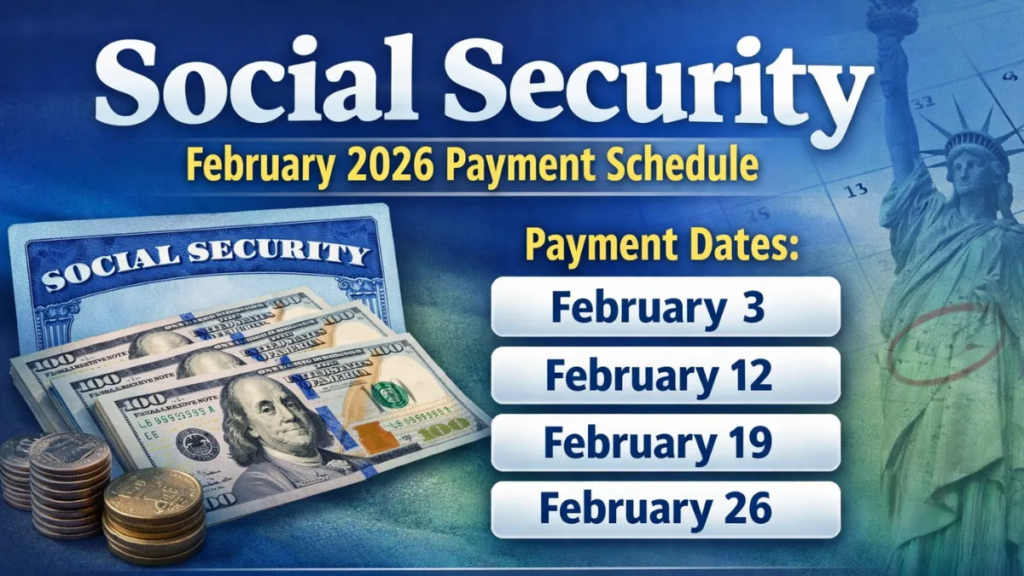
Unlike programs such as Social Security, SNAP benefits are distributed according to state-level schedules. That means your payment timing depends on where you live and how your case is registered with your state’s human services department. Some households receive funds on the first day of the month, while others may wait until the third or even fourth week. The delay does not indicate a problem — it is simply part of the staggered distribution system designed to keep stores stocked and payment systems stable.
Table of Contents
SNAP February 2026 Payments
| Key Detail | Information |
|---|---|
| Program | Supplemental Nutrition Assistance Program (SNAP) |
| Payment Frequency | Monthly |
| Payment Method | EBT Card (works like a debit card) |
| Distribution Style | Staggered by state |
| Typical Payment Window | February 1 – late February |
| Deposit Time | Usually midnight or early morning |
| Holiday Impact | Possible delay on Presidents Day (Feb 16, 2026) |
| Determined By | Case number, SSN digits, last name, or account ID |
| Federal or State? | Federally funded, state administered |
The February 2026 SNAP payment schedule varies widely across states because each state government manages its own issuance calendar. Your case number, Social Security number digits, or even the first letter of your last name may determine your specific payment date. Understanding this schedule is essential because many recipients expect a universal deposit date, which does not exist for SNAP.
When February 2026 SNAP Benefits are Being Paid
SNAP benefits in February 2026 began issuing on February 1 and continued through the end of the month in several states. Some states release benefits within a short 7-10 day window, while others spread payments across almost the entire month.
For example:
- California: February 1–10
- Arizona: February 1–13
- Michigan: February 3–21
- Alabama: February 4–23
- Maryland: February 4–23
- Illinois: February 1–20
- Florida: February 1–28
This staggered system is intentional. By spreading deposits across weeks instead of a single day, states prevent overcrowding in grocery stores and reduce technical strain on payment networks. Two families living on the same street may receive benefits weeks apart, and both dates are correct.
What Time of Day the Money Hits your EBT Card
Even after your scheduled date arrives, timing matters. SNAP benefits usually appear on EBT cards overnight. Most recipients will see funds loaded around midnight, though some states process deposits early in the morning instead.
Once the funds appear, the card works immediately. There is no waiting period and no approval step required. You can swipe the card at grocery stores, supermarkets, and approved retailers the same day the money posts.
Many people check balances the evening before and assume their payment is late. In reality, deposits typically occur after midnight processing cycles, so checking early morning is more reliable.
Holiday Delays in February
February 2026 included Presidents Day on February 16. On that day, government SNAP offices were closed nationwide. While stores still accepted EBT cards, payment processing could shift if a scheduled issuance date landed directly on the holiday.
If your benefits were due on February 16, the deposit may have appeared the next business day instead. This type of delay does not reduce your benefit amount and does not mean your case has a problem. It simply reflects administrative office closures.
Why Payments come on Different Days each Month
Many recipients ask the same question every month: why can’t SNAP pay everyone at once?
The answer lies in how the program operates. SNAP is federally funded but managed by each state individually. States choose their own distribution method to keep food supply chains steady and prevent overwhelming the EBT payment system.
States use identifiers to spread payments, such as:
- Case number ending digits
- Social Security number digits
- Last name initials
- EBT account numbers
Without staggering, millions of households would shop on the same day, causing empty shelves and system outages. The distribution model keeps grocery access consistent throughout the month.
Changes Recipients Should Expect in 2026
The 2025–2026 benefit year brought several adjustments to SNAP.
Benefit amounts
Monthly benefits increased slightly due to cost-of-living and food price adjustments. These yearly updates aim to keep purchasing power aligned with grocery inflation.
Purchasing rules
Some states are testing restrictions on certain items such as sugary drinks or candy through approved waivers. Not every state follows these rules, but recipients may notice differences depending on where they live.
Eligibility updates
Income thresholds and eligibility standards are reviewed annually. The current rules apply to the benefit year running from October 2025 through September 2026.
What to do if your SNAP Payment hasn’t Arrived
If your payment does not appear when expected, there is usually a simple explanation. Before reporting a missing benefit, follow these steps:
- Verify your state’s issuance schedule
- Check your balance after midnight on the scheduled date
- Allow one business day if your date falls on a holiday
- Contact your local human services office if still missing
In most cases, the issue is timing rather than cancellation.
Conclusion
SNAP February 2026 payments are distributed throughout the month rather than on a single payday. Deposits typically begin on February 1 and continue until late February, depending on the state’s schedule and case identification system. Benefits normally load overnight, and holidays such as Presidents Day can briefly shift deposit timing.
The key takeaway is simple: a later payment date does not mean a lost benefit. Understanding your state’s schedule helps you plan grocery purchases, avoid unnecessary worry, and use your assistance effectively.