
Standing in the middle of Nevada’s empty desert, you would never expect one of North America’s most debated historical mysteries to hide inside a dusty rock opening. Yet that is exactly what happened. For more than a century, researchers, historians, and curious travelers have searched for answers about Lovelock Cave.
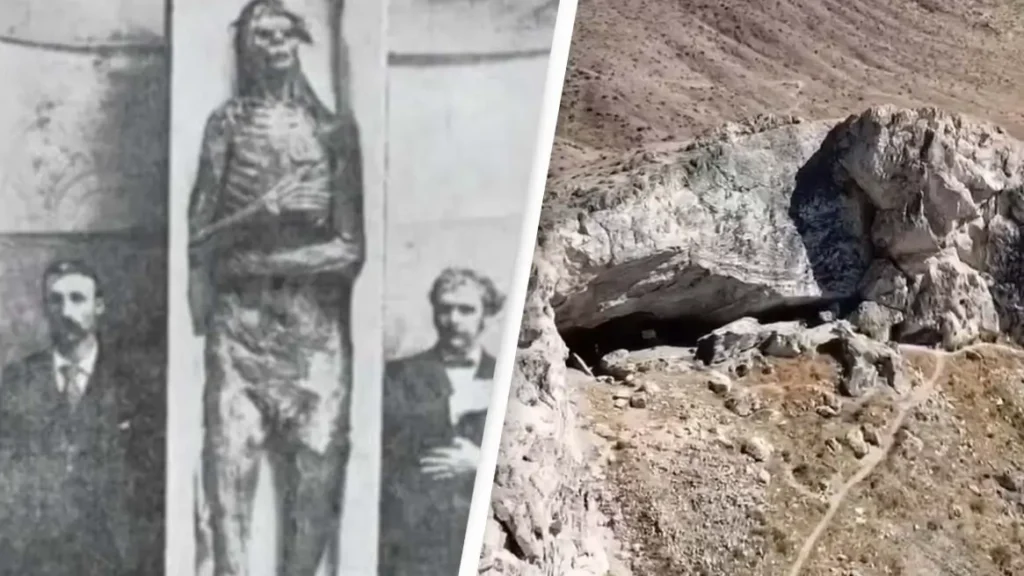
The fascination around Lovelock Cave giants keeps growing because the story sits at a strange intersection of legend and science. When people first hear about Lovelock Cave giants, they imagine enormous skeletons and ancient battles, but the real history is far more interesting than internet myths. This site is not just a strange tale from a forgotten corner of the United States. It is actually one of the most important archaeological discoveries in the Great Basin region. Artifacts preserved inside the cave changed how historians understand early desert civilizations. The cave also connects directly to Native American oral tradition, specifically the Northern Paiute story of the Si-Te-Cah, a feared enemy tribe remembered for violence and conflict.
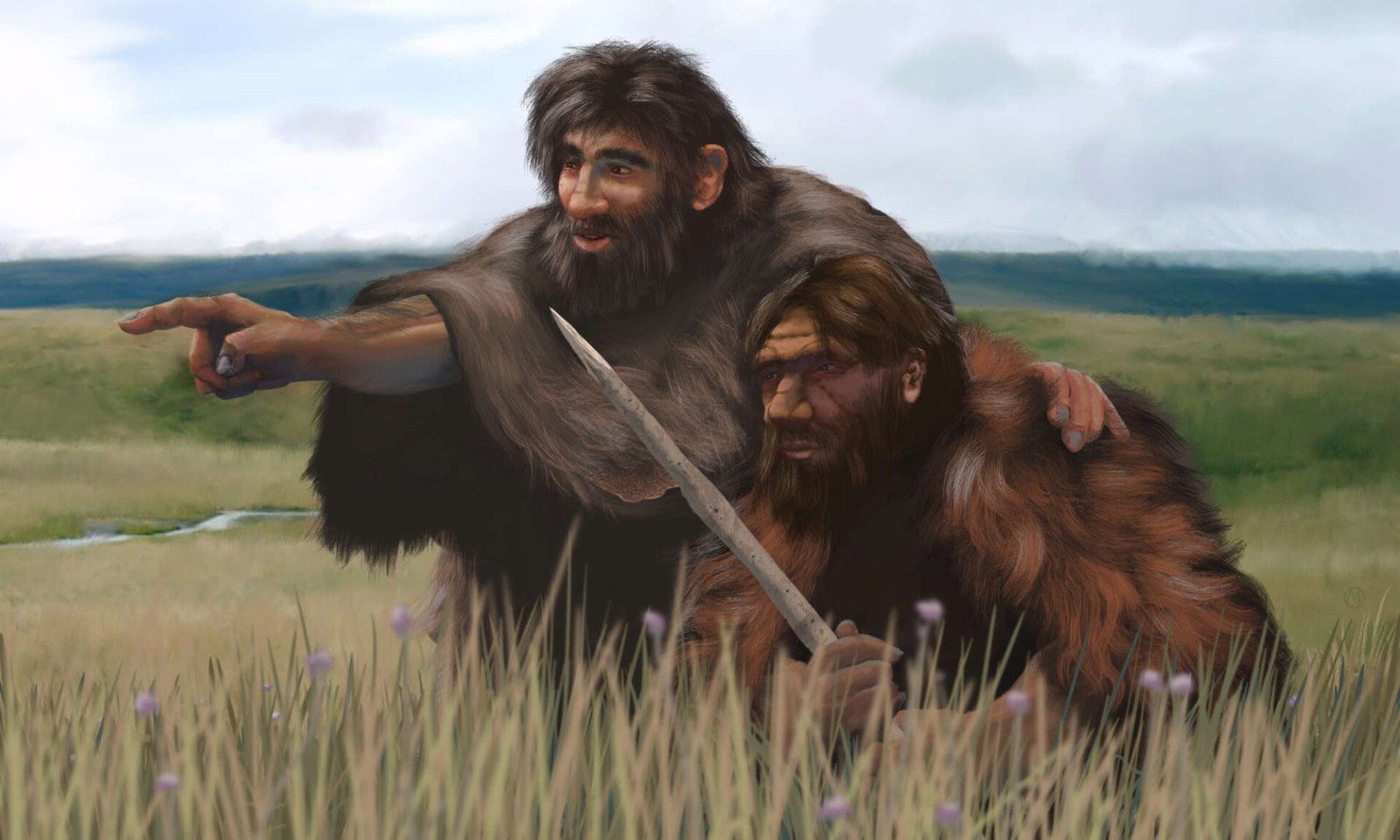
Instead of dismissing the story, modern researchers now compare folklore with physical evidence, and the results are surprisingly grounded in reality. The legend of the Lovelock Cave giants comes from Northern Paiute oral history passed down for generations. According to the story, the Si-Te-Cah were tall, hostile people with reddish hair who traveled on reed boats across an ancient lake that once covered Nevada. The conflict with surrounding tribes ended when they were trapped inside the cave and a fire was set at the entrance. What makes the story compelling is that archaeological excavation later uncovered human remains, burned material, and tools inside the same location. While science does not confirm literal giants, it does confirm that a dramatic human event likely happened there, preserving a memory that survived centuries through storytelling and cultural tradition.
Table of Contents
The Story of Lovelock Cave
| Topic | Key Details |
|---|---|
| Location | Near Lovelock, Nevada, USA |
| Indigenous Connection | Northern Paiute Tribe |
| Legendary People | Si-Te-Cah |
| Famous Claim | Red-haired giant inhabitants |
| Discovery | Found by guano miners in early 1900s |
| Excavation Years | 1911 and 1924 scientific digs |
| Major Finds | Sandals, basketry, duck decoys, tools, human remains |
| Ancient Environment | Shoreline of prehistoric Lake Lahontan |
| Scientific Conclusion | Normal prehistoric humans, not giants |
| Historical Significance | Key archaeological site of the Great Basin |
The Paiute Legend Of The Si-Te-Cah
- The Northern Paiute people carried this story long before archaeologists ever stepped into the cave. In their tradition, the Si-Te-Cah were not simply enemies. They were feared raiders. The name is usually interpreted as tule eaters, referring to the marsh reeds that grew around ancient wetlands. The tribe reportedly used reed boats to travel across water and attack neighboring groups.
- According to the oral history, nearby tribes eventually formed an alliance. After repeated attacks, they tracked the Si-Te-Cah to the cave. Warriors surrounded the entrance and lit large fires at the opening. Smoke filled the cave, forcing that inside to either escape into a rain of arrows or perish within. The story ends with the destruction of the hostile group.
- What makes this legend important is its unusual precision. Many oral traditions describe events vaguely, but this one identifies a specific location. When archaeologists later discovered burned layers and occupation evidence inside Lovelock Cave, the story suddenly gained historical weight. The description of giants may not refer to size at all. It may reflect how terrifying and different the group appeared to others.
Discovery And Early Excavations
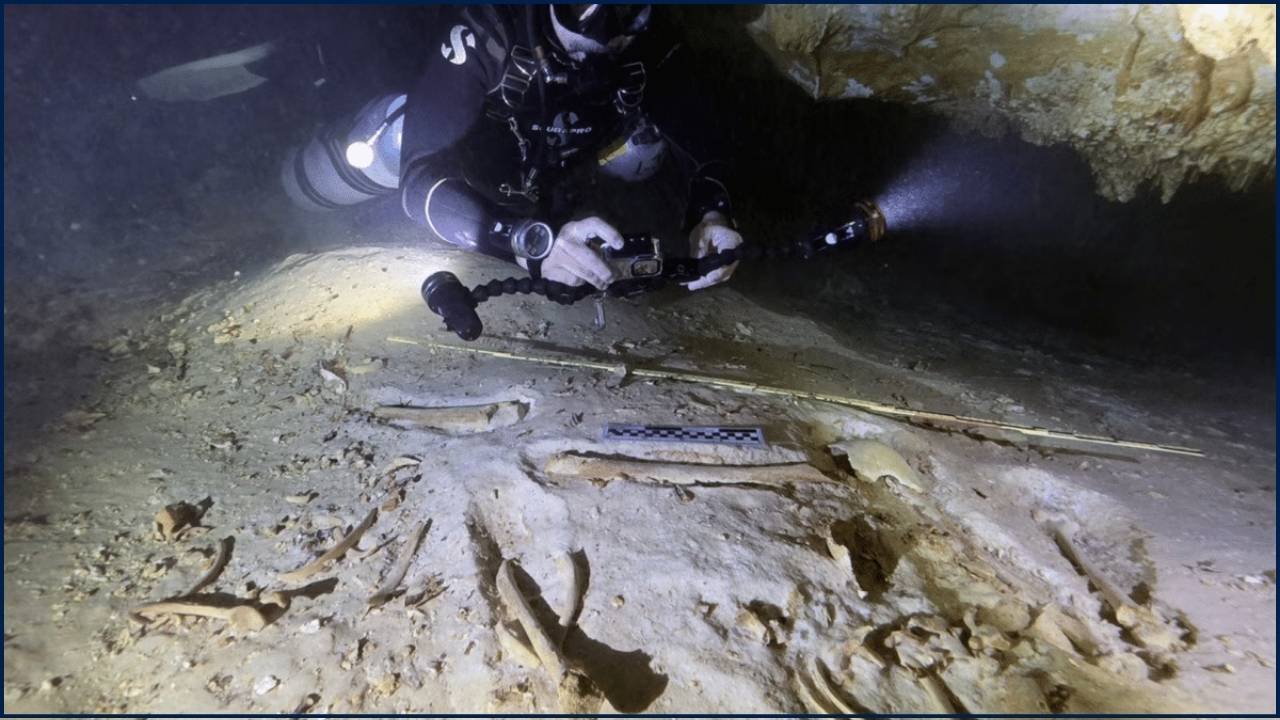
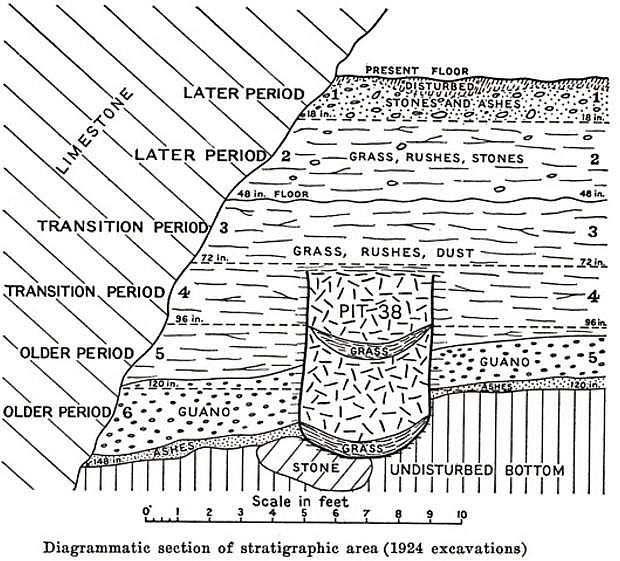
- The modern chapter of Lovelock Cave began in 1911. Worker’s mining bat guano for fertilizer started digging into thick deposits on the cave floor. Instead of soil, they uncovered objects. Sandals, woven fibers, and tools appeared in the sediment. Unfortunately, the miners did not immediately realize the importance. Some materials were discarded or damaged before archaeologists arrived. Once researchers took over, controlled excavations began. What they found changed regional archaeology.
- Thousands of artifacts emerged from the layers. There were woven baskets, cordage, hunting nets, and bone implements. Even fragile plant materials survived because the cave’s dry interior prevented decay. Human remains were also discovered, and this is where the Lovelock Cave giants story gained momentum. Early newspaper reports exaggerated the discoveries and claimed massive skeletons had been found. These reports spread widely and shaped public imagination. In reality, the skeletons were human and within normal size ranges. The real importance of the discovery was not giant bones but cultural preservation. The cave preserved everyday life from thousands of years ago.
Life Around Ancient Lake Lahontan
- To understand the cave, you have to imagine a different Nevada. Today the area is arid and dusty, but during the Ice Age it looked more like a lakeshore. A massive body of water called Lake Lahontan covered much of the region. Wetlands stretched around the cave entrance, filled with birds, fish, and edible plants.
- The people who used the cave were skilled environmental observers. They hunted waterfowl, collected seeds, and fished in shallow marshes. One of the most fascinating discoveries was a set of duck decoys. These were carefully shaped and painted to resemble real birds. Hunters likely placed them on water to lure flocks within range.
- Evidence suggests the cave was not a permanent home. Instead, groups returned seasonally. They stored food, repaired tools, and sheltered during certain times of the year. Far from primitive, they displayed planning and adaptation.
The Mystery Of The Red Hair
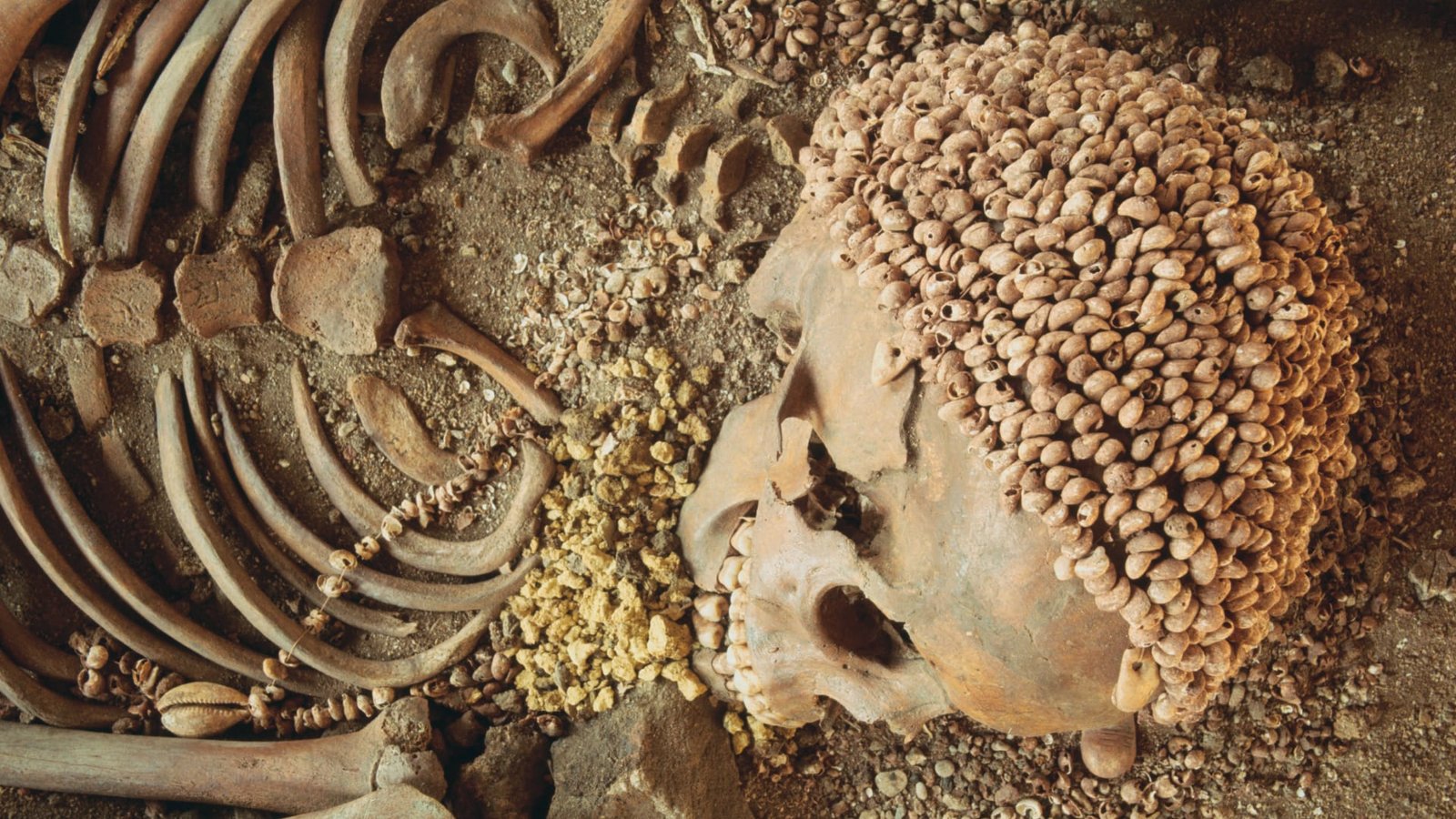
Perhaps the most famous detail connected to the Lovelock Cave giant’s legend is the reddish hair on preserved remains. Early observers interpreted this as proof of a different race. Modern science offers a straightforward explanation. After death, hair pigment breaks down through chemical reactions with air and soil. Dark hair often fades into a reddish or copper color, especially in dry alkaline environments. This process happens naturally and does not indicate unusual ancestry. Measurements of skeletal remains also contradict the giant claim. Heights fall within typical human ranges. The people buried in the cave were ordinary humans who lived thousands of years ago.
Why The Giant Story Persisted
- Even after scientific analysis, the story of the Lovelock Cave giants continues to circulate. Several factors help explain why. Oral tradition tends to dramatize enemies. Describing rivals as giants emphasized strength and danger. It made the story memorable and meaningful. Early media reports amplified the myth. Newspapers in the early twentieth century often preferred sensational headlines.
- Once giant skeletons were mentioned, the idea spread rapidly and became difficult to correct. Modern internet culture also plays a role. Online discussions and alternative history theories keep the legend alive. Many people prefer a mysterious explanation over a historical one. The myth is compelling, even when evidence suggests a simpler truth.
What Archaeology Actually Confirms
- Archaeology does not dismiss the Paiute story entirely. Instead, it reframes it. Evidence shows long term occupation of the cave and a skilled hunter gatherer community. The inhabitants used advanced weaving techniques, crafted tools, and adapted to wetlands. There are signs that conflict may have occurred. Burn layers and sudden abandonment patterns appear in the record. These details suggest a real event may lie behind the legend.
- However, there is no physical proof of a race of giants. The Lovelock Cave giant’s idea comes from interpretation rather than measurement. What science confirms is human activity, not supernatural beings. Interestingly, the oral history still helped guide researchers. Without it, the site might not have received serious attention. The legend preserved a memory that pointed to an archaeological location.
A Place Where Story And Science Meet
- Today, Lovelock Cave is protected as a historic site. Most artifacts are preserved in museums to prevent damage. Visitors who reach the cave find a quiet space overlooking a dry basin that was once a thriving lakeshore. The importance of the cave goes beyond proving myths true or false. It shows how human memory works. Stories can preserve real locations and events even when details change over centuries. The Paiute tradition recorded a conflict. Archaeology revealed the daily lives of people who lived there. Both perspectives describe the same place from different angles.
- The story also reminds us that ancient people were not primitive. They engineered tools, understood seasonal cycles, and survived in challenging environments. The cave is less about giants and more about resilience The mystery remains powerful because it blends imagination with evidence. The Lovelock Cave giant’s legend may not describe literal giants, but it reflects how communities remember danger and survival. Instead of dismissing the tale, historians now treat it as a cultural memory shaped by generations.
FAQs About The Story of Lovelock Cave
Were giants really discovered in Lovelock Cave
No. Archaeologists found human skeletons of normal size. The giant description likely came from storytelling and early media exaggeration.
Why did the mummies have red hair
Hair changed color after death due to chemical reactions in the soil. In life, the individuals almost certainly had dark hair.
Who were the Si-Te-Cah
They were a group remembered in Northern Paiute oral tradition as enemies. They were probably another human tribe, not a different species.
Why is Lovelock Cave historically important
It connects Native American oral history with archaeological discovery and helps researchers understand early Great Basin cultures.