

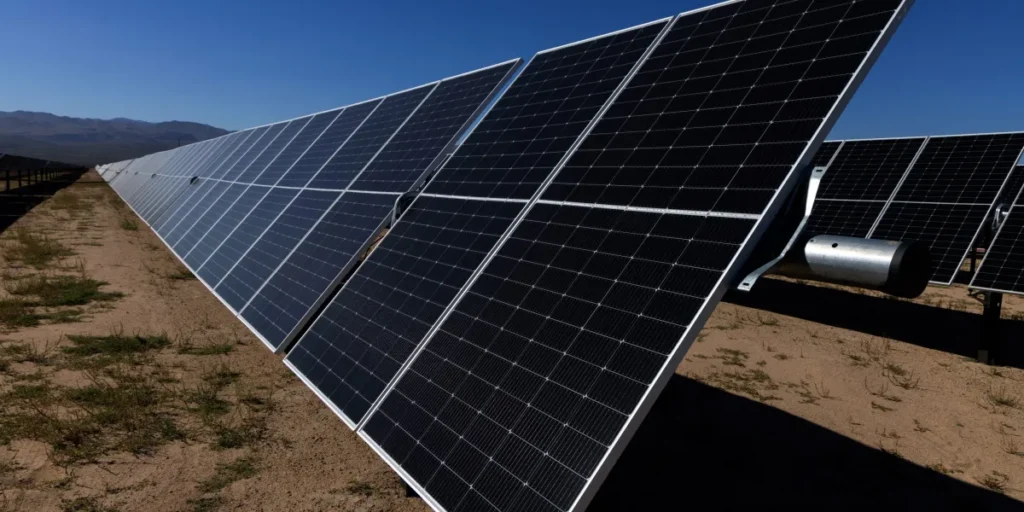
The milestone Solar Generation Overtakes Hydropower on the U.S. Grid became clear in newly compiled 2025 electricity data, as rapid expansion of photovoltaic installations pushed solar output above that produced by hydroelectric dams. The shift reflects a broader renewable energy transition in the United States, driven by declining technology costs, federal incentives, and record construction of new energy infrastructure.
Table of Contents
Solar Generation Overtakes Hydropower
| Key Fact | Detail/Statistic |
|---|---|
| Solar growth | Solar output surged in 2025 and surpassed hydroelectric generation |
| Construction surge | Roughly 43 gigawatts of utility-scale solar expected in 2026 |
| Grid impact | Solar now the second-largest renewable electricity source after wind |
Solar Generation Overtakes Hydropower on the U.S. Grid
For much of the 20th century, hydroelectric dams defined renewable electricity in America. Projects such as Hoover Dam in Nevada and Grand Coulee Dam in Washington supplied reliable power to cities, industries, and farms. Hydropower was often viewed as the country’s primary clean energy resource.
That dominance is now changing.
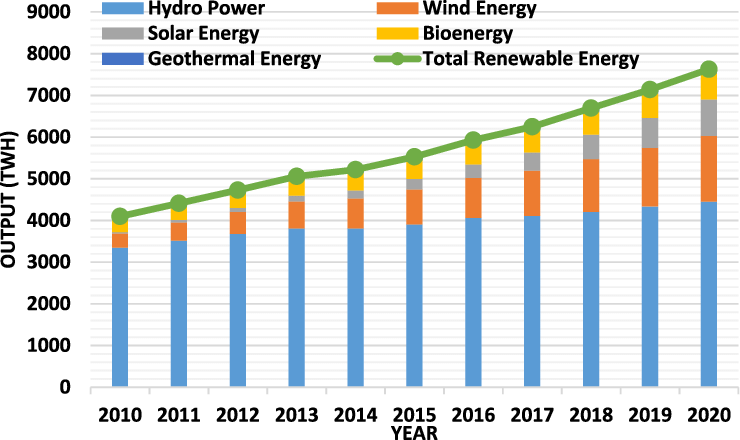
New federal energy data indicates solar electricity output rose sharply across 2024 and 2025, while hydroelectric generation remained steady or declined in drought-affected regions. Analysts say this crossing point is not temporary but the result of structural changes in energy investment and technology.
The U.S. Energy Information Administration (EIA) has reported solar installations now account for the majority of new generating capacity added annually to the power grid.
“Solar power is expected to be the fastest-growing source of electricity generation in the United States,” the agency said in its outlook, noting rapidly increasing solar power capacity across multiple states.
Why Solar Is Growing Faster Than Hydropower
Falling costs and policy incentives
The expansion of solar generation has been driven largely by economics. Over the past decade, manufacturing improvements and global supply chains significantly reduced the price of photovoltaic panels. The International Energy Agency (IEA) has described solar as one of the cheapest forms of new electricity generation in many regions.
Federal tax credits and state renewable portfolio standards have accelerated adoption. The Inflation Reduction Act of 2022 expanded investment incentives, prompting utilities to commit to large solar projects.
Energy economist Dr. Daniel Cohan of Rice University has noted in public analyses that utilities increasingly choose solar not for environmental reasons alone, but because it is financially competitive.
“Once built, solar has no fuel cost,” he said. “That fundamentally changes the economics of electricity generation.”
Hydropower’s natural limits
Hydropower, unlike solar, faces geographic and environmental constraints. Most major rivers suitable for large dams have already been developed. Constructing new dams requires extensive permitting and often faces opposition from conservation groups.
Climate patterns also influence hydroelectric output. Lower reservoir levels during prolonged droughts in the western United States have reduced production in some years, according to federal assessments.
As a result, hydroelectric output has remained relatively flat, while solar installations have expanded rapidly.
A Changing Power System
The milestone reflects a broader transformation in how electricity is produced. The U.S. grid historically depended on coal and natural gas plants operating continuously. Hydropower offered flexible generation that could increase or decrease output quickly.
Solar energy functions differently. It generates electricity primarily during daylight hours, meaning supply varies with weather and time of day. This shift has placed new emphasis on grid reliability and energy storage technologies.
Utilities are increasingly deploying battery storage systems capable of storing excess daytime electricity for use during evening demand peaks. The EIA reported record growth in grid-scale battery installations in 2025.
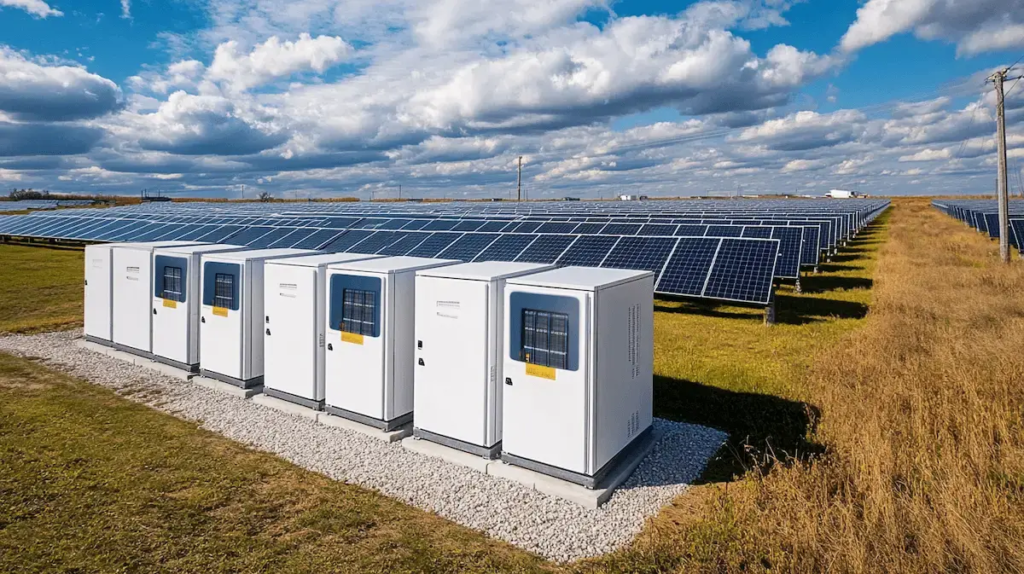
Experts say batteries, advanced forecasting software, and demand management systems are becoming as important as power plants themselves in the modern grid.
Regional Differences Across the United States
The solar expansion is not uniform nationwide. Growth is concentrated in high-sunlight regions and fast-growing population centers.
Texas, California, Arizona, Nevada, and Florida now host the largest solar fleets. Texas, in particular, has seen rapid growth because of abundant land, favorable policies, and an independent electricity market managed by the Electric Reliability Council of Texas (ERCOT).
By contrast, the Pacific Northwest continues to rely heavily on hydropower because of large river systems and existing dams.
Energy researchers say the regional mix of resources is shaping local electricity prices. In parts of California and Texas, midday wholesale electricity prices sometimes drop sharply when solar production peaks.
What It Means for Consumers
The shift in generation sources may affect households indirectly rather than immediately. Solar energy tends to lower wholesale electricity prices during sunny hours because operating costs are minimal once panels are installed.
However, investments in transmission lines, storage systems, and grid modernization may influence utility bills over time. Utilities must upgrade infrastructure to deliver electricity from remote solar farms to urban demand centers.
The Department of Energy (DOE) has emphasized that grid modernization will require substantial investment but could improve long-term system resilience.
For homeowners, the growth of solar also supports rooftop solar installations and community solar programs, which allow residents to subscribe to shared solar facilities.
What It Means for Energy and Climate Policy
The United States still relies heavily on natural gas for electricity, but renewable generation is expanding steadily. Solar’s growth plays a central role in federal climate strategy.
The Environmental Protection Agency (EPA) has identified power-sector emission reductions as critical to lowering greenhouse gas output. Solar generation produces electricity without combustion emissions, which helps utilities meet regulatory requirements.
Federal projections show solar output could rise dramatically by 2027, reflecting continued investment and rising demand for electricity from electric vehicles and data centers.
Global Context
The U.S. trend mirrors global energy developments. According to the International Energy Agency, solar is now the fastest-growing source of electricity worldwide and is expected to dominate new capacity additions for the remainder of the decade.
China, India, and the European Union are installing solar facilities at record pace, reflecting a broad shift in global energy economics rather than a country-specific policy change.
This suggests the U.S. milestone is part of a wider transformation of electricity systems toward low-carbon energy sources.
Remaining Challenges
Despite rapid growth, challenges remain. Grid operators must balance supply and demand when solar output drops in the evening, a phenomenon often called the “duck curve” by energy planners.
The North American Electric Reliability Corporation (NERC) has warned the transition requires careful planning to maintain grid reliability, particularly during extreme weather events.
Transmission infrastructure is another concern. Many solar projects are located far from cities, requiring new high-voltage lines that can take years to approve and construct.
Cybersecurity and resilience are also becoming priorities as the electricity system becomes more digital and interconnected.
Economic and Industry Impacts
The expansion of solar generation has created a significant domestic industry. Manufacturing plants producing panels, inverters, and batteries are being built in several U.S. states.
The Solar Energy Industries Association estimates hundreds of thousands of workers are now employed in installation, maintenance, manufacturing, and engineering roles tied to solar energy.
Electric utilities are also adjusting long-term investment strategies. Many companies now plan fewer coal plants and more renewable installations, reflecting investor expectations and regulatory policies.
Financial analysts say the renewable energy transition is increasingly driven by market economics rather than environmental policy alone.
Looking Ahead
The point at which Solar Generation Overtakes Hydropower does not mean dams will disappear. Hydroelectric plants continue to provide flexible backup generation and support grid stability.
However, energy analysts say the milestone marks a durable turning point. Solar installations are expected to continue rising as battery storage expands and technology improves.
Federal energy outlooks indicate the U.S. power system will likely become more diverse, combining solar, wind, natural gas, nuclear power, and storage technologies.
“The electricity system is evolving,” federal energy officials have said in public briefings, emphasizing that future performance will depend on flexibility and infrastructure planning.
FAQs About Solar Generation Overtakes Hydropower
Why is solar expanding faster than hydropower?
Solar farms can be built quickly and cheaply, while hydropower requires dams, environmental review, and large water flows.
Is solar now the largest renewable energy source?
No. Wind power remains the largest renewable electricity source in the United States, but solar is growing more rapidly.
Will electricity become cheaper?
Solar lowers daytime wholesale prices in some markets, but transmission upgrades and storage investments may influence retail bills.
Does this improve climate goals?
Yes. Solar electricity produces minimal greenhouse gas emissions, helping reduce power-sector carbon output.