
The idea of drinking tea grown on the Moon sounds like a story pulled from a science fiction film, yet modern research is steadily turning that imagination into science. Recently, scientists confirmed that tea plants grown in lunar soil can actually sprout and remain alive inside carefully controlled laboratory conditions.
This single experiment has attracted global attention because it addresses one of the biggest challenges of space exploration how humans will survive away from Earth for long periods. The success of tea plants grown in lunar soil does not simply represent a botanical curiosity. It signals a possible future where astronauts grow their own food rather than depending entirely on shipments from Earth. Human missions beyond Earth orbit are increasing. Space agencies and private companies are planning permanent lunar habitats in the coming decades. However, transporting food is extremely expensive and risky. Every kilogram launched into space requires enormous fuel and cost. That is why scientists have been searching for ways to create sustainable life-support systems. Plants play a crucial role in that system. They produce oxygen, recycle water, and provide nutrition. A small plant experiment inside a laboratory may seem simple, but it could shape how humans live on the Moon and eventually on Mars.
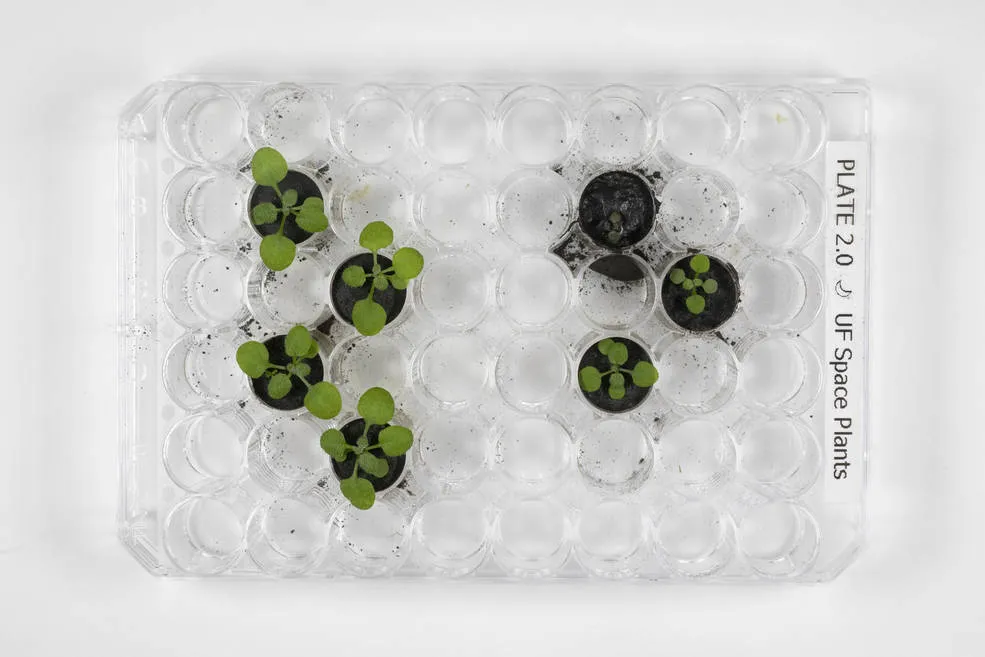
The experiment involving tea plants grown in lunar soil was designed to test whether a delicate crop could survive in Moon material. Researchers intentionally selected tea because it is sensitive to soil quality. Unlike hardy weeds, tea plants require balanced nutrients, moisture, and stable growing conditions. If tea could survive, scientists reasoned that vegetables and staple crops might also grow. Researchers used real lunar regolith samples collected decades ago and preserved for scientific study. The soil was placed in a controlled growth chamber where temperature, humidity, and light were carefully regulated. Water and nutrient solutions were added in precise quantities. Within a few days, the seeds germinated. The small green shoots proved something important: lunar material is not completely hostile to plant life. This experiment helps scientists understand how roots interact with extraterrestrial material and how plants respond to unfamiliar minerals. The survival of the plants also strengthens the possibility of developing agricultural systems for future astronauts living on the Moon.
Table of Contents
Tea Plants Successfully Grown in Lunar Soil Samples
| Key Information | Details |
|---|---|
| Research Purpose | Determine if plants can grow in lunar regolith |
| Plant Species | Camellia sinensis (Tea plant) |
| Soil Type | Authentic lunar soil samples |
| Environment | Controlled laboratory growth chamber |
| Germination Result | Successful sprouting observed |
| Growth Condition | Slower and stressed compared to Earth plants |
| Nutrient Support | Water and nutrient solution added |
| Scientific Value | Supports feasibility of space agriculture |
| Future Use | Food production, oxygen generation, life-support systems |
A small green plant emerging from gray lunar dust may become one of the most meaningful images in modern science. The survival of tea plants grown in lunar soil shows that life can adapt even in environments once considered impossible for biology. While large-scale farming on the Moon is still years away, this experiment demonstrates that sustainable human presence beyond Earth is achievable. Space exploration is entering a new phase. Instead of short visits, humanity is preparing for long stays. Agriculture will determine whether those missions succeed. The simple tea plant experiment proves that humans may one day live on the Moon not just as visitors, but as settlers capable of growing their own food and sustaining their own ecosystems.
How The Experiment Was Conducted
- The study required extremely careful handling. Lunar soil samples are rare and valuable, so researchers worked with only tiny quantities. Scientists first prepared the regolith by adding moisture to reduce dryness. Unlike Earth soil, the Moon’s surface material has never supported life and contains no organic nutrients.
- Seeds were planted directly into the lunar material rather than transplanting seedlings. This allowed scientists to monitor germination from the very beginning. Artificial lights simulated sunlight cycles similar to those on Earth. Temperature and humidity were tightly controlled to remove environmental variables.
- Watering had to be precise. Lunar particles do not absorb water easily. If too much water was added, it would flow away from the roots. If too little was provided, the plant would dry out. Despite these challenges, tea plants grown in lunar soil sprouted within days, surprising even experienced researchers.
Why Lunar Soil Is Challenging
Lunar regolith looks like soil but behaves very differently. It is essentially fine dust made from pulverized rock formed by meteorite impacts over billions of years. It lacks the biological components that make Earth soil fertile.
Major problems include:
- No organic matter or microbes
- Poor water retention
- Chemically reactive minerals
- Sharp microscopic particles that can damage roots
Earth soil supports plants because bacteria and fungi break down nutrients into usable forms. On the Moon, this natural process does not exist. The performance of tea plants grown in lunar soil showed that plants can still grow when scientists provide water and nutrients manually.
Germination And Early Growth
Once germination occurred, researchers closely monitored leaf formation and root development. The plants successfully formed roots and began photosynthesis. This means they absorbed carbon dioxide and released oxygen. However, growth was slower than normal. Leaves appeared smaller and slightly pale. These were signs of environmental stress. Still, survival mattered more than rapid growth. The continued life of tea plants grown in lunar soil demonstrated that plants can adapt to unfamiliar surroundings.
Biological Responses Observed
- Scientists examined the internal biological processes of the plants. They discovered that stress-response genes were activated. These genes normally switch on when plants experience drought, salt imbalance, or nutrient deficiency.
- Roots expanded cautiously through the regolith rather than spreading widely. Researchers believe the plants were adjusting to the unusual environment. Interestingly, the plants also absorbed some minerals from the lunar material, suggesting extraterrestrial resources might partially support future farming.
- The adaptability seen in tea plants grown in lunar soil suggests other crops may respond similarly if conditions are optimized.
Implications For Space Agriculture
Space agriculture is essential for long-duration missions. Carrying food from Earth limits how long astronauts can stay on another world. Growing crops locally could change mission design completely.
Plants provide several benefits:
- Fresh food supply
- Oxygen production
- Water recycling
- Psychological comfort for astronauts
Astronauts living in isolation benefit emotionally from tending plants. Greenery helps reduce stress and improves mental health. The success of tea plants grown in lunar soil supports the idea of space greenhouses inside lunar habitats.
Lessons Learned from the Study
Researchers gained important insights:
- Nutrients must be supplemented
- Water delivery systems are crucial
- Some plants tolerate extraterrestrial conditions better than expected
The experiment showed lunar farming will require technology, not traditional agriculture. Hydroponics, controlled lighting, and recycling systems will likely be necessary. The survival of tea plants grown in lunar soil marks the beginning of engineering solutions for off-world agriculture.
What It Means for Future Moon Bases
- Space agencies plan to establish semi-permanent human presence on the Moon within the next decade. A working agricultural system would allow astronauts to stay longer and operate more independently.
- A future lunar base could include sealed greenhouses. Processed lunar regolith mixed with recycled water and nutrients could support crops. The research on tea plants grown in lunar soil offers a practical foundation for these designs.
- More importantly, the Moon acts as a testing ground for Mars missions. If farming works there, scientists can adapt techniques for Martian environments.
Next Steps in Research
Researchers plan further experiments using different crops such as lettuce, beans, and potatoes. They also want to introduce beneficial microorganisms to create living soil ecosystems. Scientists must also determine whether plants grown in extraterrestrial material are safe for consumption. Nutritional testing will ensure no harmful elements accumulate in edible parts. Continued monitoring of tea plants grown in lunar soil will guide future agricultural planning for space missions.
FAQs About Tea Plants Successfully Grown in Lunar Soil Samples
1. Why was a tea plant selected for the study?
Tea plants are sensitive to soil conditions, making them ideal for testing whether delicate crops can survive in lunar material.
2. Can astronauts currently eat plants grown in lunar soil?
No. Scientists must first confirm safety and nutritional value before consumption is possible.
3. What makes lunar soil different from Earth soil?
It lacks organic matter, microbes, and natural nutrients, and it does not retain water well.
4. Will future Moon bases grow food locally?
Yes, future habitats are expected to include controlled greenhouses for sustainable living.