
Renting a car should make travel easier, not more stressful. Yet many travelers unknowingly make insurance decisions that expose them to serious financial risk. A simple misunderstanding at the rental counter can turn a minor accident into a bill worth thousands of dollars.
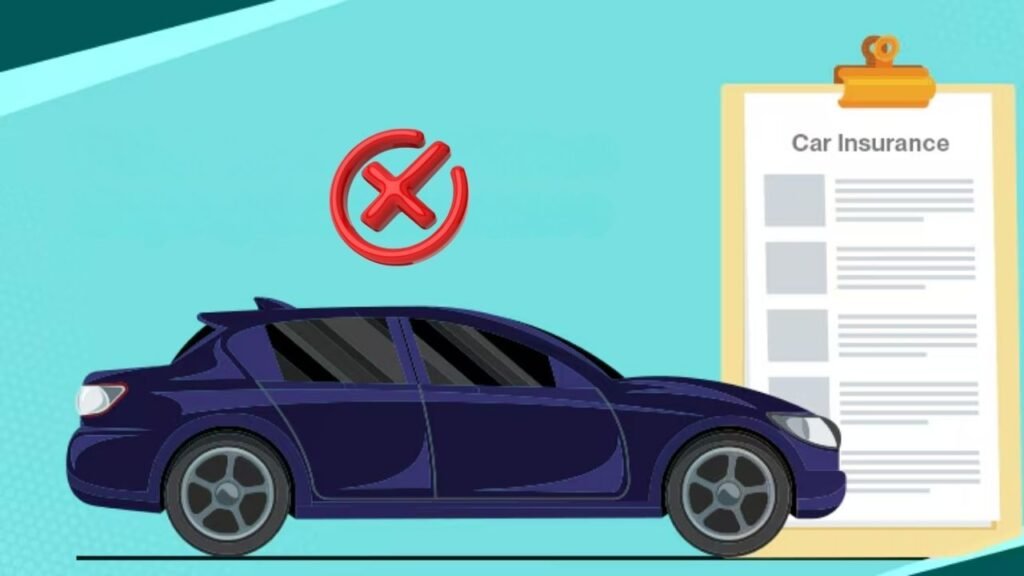
From declining coverage too quickly to overlooking contract details, small oversights often lead to major consequences. Understanding rental car insurance mistakes before you pick up the keys can protect both your wallet and your peace of mind. Many drivers assume they are covered through personal auto insurance or a credit card, while others overpay for unnecessary add-ons. Knowing what to accept, what to decline, and what to verify is the key to avoiding expensive surprises.
Table of Contents
Rental Car Insurance Mistakes
Below is a quick overview of the most common mistakes renters make and how they can impact your finances.
| Mistake | What Happens | Potential Cost Impact | How to Avoid It |
|---|---|---|---|
| Declining insurance without checking coverage | You may be personally liable for damages | Thousands in repairs and liability claims | Confirm personal auto and credit card coverage before declining |
| Buying overlapping coverage | Paying for protection you already have | Hundreds in unnecessary fees | Understand what each policy covers |
| Not reading the rental agreement | Hidden exclusions and extra fees apply | Administrative, loss-of-use, and damage charges | Review the full contract carefully |
| Skipping vehicle inspection | Charged for pre-existing damage | Repair costs for scratches or dents | Take timestamped photos and videos |
| Ignoring fuel and return terms | Extra refueling and late fees | Premium fuel charges or extra rental days | Refill yourself and return on time |
| Overlooking mileage and toll policies | Unexpected usage charges | Per-mile or daily toll fees | Check mileage limits and toll options |
| Booking late or at airport counters | Higher base rates and surcharges | Increased rental costs | Compare locations and book early |
1. Skipping Insurance or Misunderstanding Coverage
One of the most expensive mistakes renters make is declining rental insurance without confirming they are covered elsewhere. Many travelers assume their personal auto insurance automatically extends to rental vehicles. In many cases it does, but not always in the way people expect.
Some personal policies may not cover rentals abroad. Others may only provide limited protection. Credit cards often advertise rental coverage, but it is frequently secondary coverage. That means it only pays after your personal auto insurance has processed the claim. This can lead to higher premiums on your own policy later.
Before declining coverage, contact your insurance provider and credit card company. Ask clear questions: Is the coverage primary or secondary? Does it cover loss of use? Are there exclusions for certain vehicle types? Getting answers ahead of time prevents costly assumptions.
2. Buying Unnecessary or Overlapping Insurance
At the rental counter, agents may offer several types of coverage: Collision Damage Waiver (CDW) or Loss Damage Waiver (LDW), liability coverage, personal accident insurance, and roadside assistance. While these options can be helpful, buying all of them without understanding your existing coverage can waste money.
For example, if your personal auto policy already includes liability coverage, purchasing additional liability protection from the rental company may be redundant. Similarly, some credit cards provide collision damage coverage, making the rental company’s CDW unnecessary.
These add-ons can significantly increase the daily rental rate, especially on longer trips. Instead of automatically accepting every option, review your existing coverage and choose only what fills real gaps.
3. Not Reading the Fine Print
Rental agreements are often signed quickly at the counter after a long flight. However, skipping the fine print can be a costly mistake.
Some contracts include exclusions for specific types of damage, such as tires, windshields, or undercarriage issues. Others may charge administrative fees, processing fees, or “loss of use” fees if the car is out of service for repairs. These costs can add up quickly, even for minor incidents.
Take a few minutes to read the contract carefully. If something is unclear, ask the rental agent to explain it. Understanding the terms before signing can prevent unpleasant surprises later.
4. Not Inspecting and Documenting the Car
Failing to inspect the rental vehicle before driving away is another mistake that can lead to unexpected charges. Small scratches, dents, or paint chips may go unnoticed during pickup. If these damages are not documented, the rental company may assume they occurred during your rental period.
The safest approach is to walk around the car thoroughly before leaving the lot. Take clear, timestamped photos or a video of the exterior and interior. Make sure any existing damage is noted on the rental agreement.
Repeat the process when returning the vehicle. Proper documentation can protect you from being billed for damage you did not cause.
5. Ignoring Fuel and Return Policies
Fuel policies are often misunderstood. Some rental companies offer prepaid fuel options, which may sound convenient. However, these rates are often higher than local gas station prices. If you return the car with unused fuel, you typically do not receive a refund.
Returning the car without refueling can also result in premium refueling charges, which are significantly higher than normal gas prices.

Late returns can be just as costly. Even being slightly past the return time may trigger an additional day’s charge or late fees. To avoid this, refill the tank yourself and allow extra time for drop-off.
6. Ignoring Mileage Limits and Tolls
While many rentals advertise unlimited mileage, some vehicles or locations may include mileage caps. Exceeding those limits can result in per-mile charges that quickly add up.
Toll policies are another common source of confusion. Rental companies often provide toll transponders for convenience, but they may charge daily service fees in addition to the tolls themselves. Over a week-long rental, these fees can significantly increase your total cost.
Review mileage terms before booking, especially for long road trips. For tolls, compare the rental company’s program with paying tolls directly where possible.
7. Booking Too Late or at the Wrong Location
Although not strictly an insurance issue, booking practices can affect overall rental costs. Airport rental locations often include additional surcharges and taxes. Last-minute bookings may limit your options and result in higher prices.
By reserving early and comparing both airport and off-airport locations, you may secure better rates. Lower base costs can make it easier to afford necessary insurance coverage without overspending.
Final Thoughts
Rental car insurance decisions should never be rushed. The wrong choice can lead to thousands of dollars in unexpected expenses, while the right choice can provide peace of mind without unnecessary costs.
Before your next trip, take time to review your personal auto policy and credit card benefits. Understand what is covered, what is excluded, and where gaps exist. Read rental agreements carefully, document the vehicle’s condition, and pay attention to fuel, mileage, and return terms.
Avoiding these rental car insurance mistakes is not complicated. It simply requires preparation, attention to detail, and a willingness to ask questions. A few minutes of research before your trip can protect you from financial headaches long after your vacation ends.