


Significant driver’s license test changes will take effect on March 31 across England, Scotland, and Wales, altering how learner drivers book and manage practical car exams. The UK’s Driver and Vehicle Standards Agency (DVSA) says the reforms are designed to reduce long waiting times and improve fairness in the national booking system.
Under the new rules, candidates may only change a practical car test appointment twice. In addition, driving instructors will no longer be allowed to book tests on behalf of learners. Officials say the measures aim to prevent booking abuse and make more test slots available.
The changes come after years of mounting pressure on the licensing system, driven in part by pandemic-related disruptions and high demand.
Table of Contents
Driver’s License Test Changes
| Key Fact | Detail |
|---|---|
| Effective Date | March 31 |
| Booking Changes Allowed | Reduced from six to two |
| Applies To | Practical car tests only |
| Regions Covered | England, Scotland, Wales |
| Instructor Booking | No longer permitted |
The new driver’s license test changes reflect the UK government’s attempt to restore balance to a strained licensing system. While officials argue the reforms promote fairness and transparency, their long-term effectiveness will depend on sustained operational improvements.
The DVSA says it will review outcomes in the coming months, leaving open the possibility of additional adjustments if needed.
Why the Driver’s License Test System Is Changing
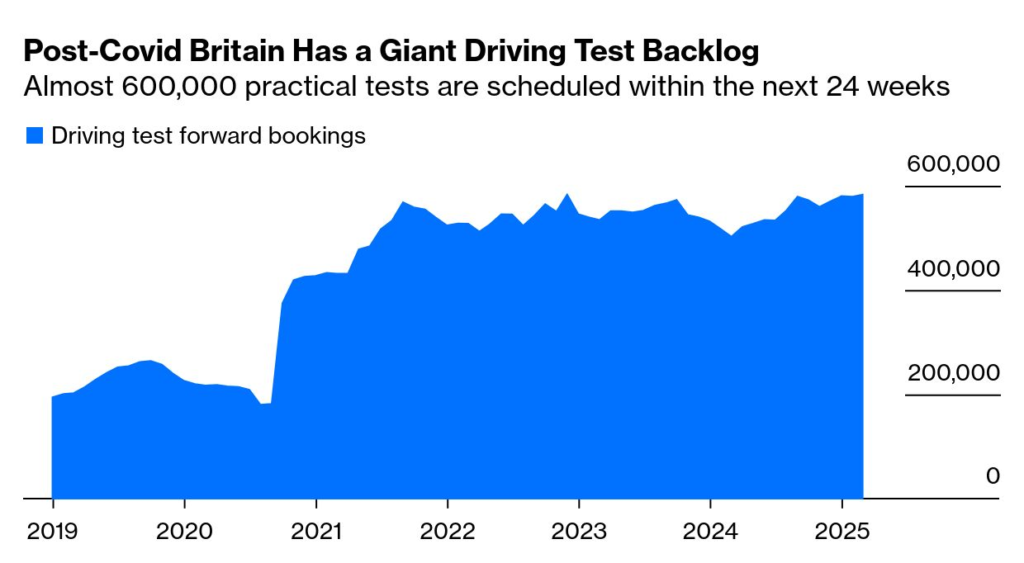
The driver’s license test system has faced sustained strain since 2020, when COVID-19 restrictions led to extended suspension of practical tests. According to UK government transport data, hundreds of thousands of appointments were postponed during lockdown periods.
Although testing resumed and examiner recruitment increased, demand surged as learners who had delayed testing returned alongside new applicants.
In some regions, average wait times have stretched to several months. Transport analysts say this created a secondary problem: speculative bookings. Some candidates reportedly reserved multiple test dates or frequently changed appointments to secure earlier slots.
The DVSA has stated that such practices limit access for others. In official guidance, the agency said the new driver’s license test rules are intended to “reduce misuse of the booking service and provide fairer access to all customers.”
What Exactly Is Changing?
1. Limit on Booking Modifications
From March 31, learners can modify a car driving test booking no more than twice. After that limit, the appointment must be canceled and rebooked, subject to availability.
Previously, candidates could make up to six changes without canceling entirely. Officials say the new cap is intended to encourage more deliberate scheduling and reduce last-minute adjustments that disrupt availability.
2. Instructor Booking Restrictions
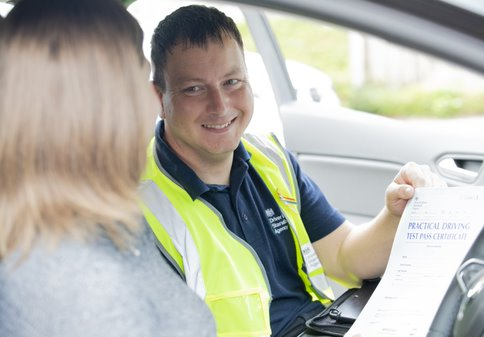
Driving instructors will no longer be able to book or manage practical test appointments for learners. Candidates must book directly through the official government online platform.
The DVSA argues this enhances transparency and ensures that the individual test candidate controls their own booking decisions.
However, some instructors say the change could complicate scheduling coordination between training lessons and test dates.
The Driving Instructors Association (DIA) has said it supports efforts to address wait times but emphasizes that “any changes must ensure the system remains accessible and functional for all users.”
Who Is Affected by the Driver’s License Test Changes?
The reforms apply only to practical car driving tests. They do not affect:
- Motorcycle license exams
- Lorry (HGV) tests
- Bus or coach tests
The changes cover England, Scotland, and Wales. Northern Ireland operates under a separate Driver & Vehicle Agency system and is not included in this policy shift.
Groups most directly affected include:
- First-time learner drivers
- Candidates seeking to reschedule multiple times
- Driving instructors coordinating lesson timelines
- Individuals needing a license quickly for employment
Economic and Social Impact
Extended driving test delays can carry economic consequences. For many young adults, a driver’s license is linked to employment access, especially in rural or suburban areas with limited public transportation.
Labor market analysts note that delivery services, trades, healthcare support roles, and logistics positions often require a valid driving license.
Dr. Emily Carter, a UK-based transport policy researcher, said in a recent public briefing, “Delays in licensing can affect economic mobility. For some applicants, months of waiting translates directly into lost job opportunities.”
Businesses reliant on entry-level drivers have also faced staffing pressures in recent years.
Safety Considerations
Road safety organizations have generally supported efforts to stabilize the driver’s license test system.
Experts argue that predictable scheduling improves preparation quality. When candidates rush into earlier test slots without adequate practice, pass rates may decline and road safety standards may suffer.
According to government data, practical test pass rates fluctuate depending on candidate preparedness, regional examiner availability, and test conditions.
Historical Context: How the Backlog Developed
The practical driving test system was suspended multiple times during pandemic lockdowns beginning in 2020. During those periods:
- New appointments were paused
- Thousands of scheduled tests were canceled
- Examiner capacity was reduced due to health restrictions
When restrictions eased, demand exceeded supply. The DVSA increased recruitment and extended testing hours in some areas.
However, data from transport authorities show that regional imbalances persisted. Urban centers and densely populated regions reported particularly long wait times.
Experts say structural demand growth — including population increases and renewed economic activity — compounded the issue.
Reaction from Learners and Instructors
Driving instructors report mixed reactions among students.
Some learners welcome clearer rules and believe reduced booking manipulation may make the system fairer.
Others worry that limiting changes could penalize those who must reschedule due to illness, work conflicts, or instructor availability.
Consumer advocacy groups stress that digital infrastructure must function reliably. Any technical issues could disproportionately affect candidates under the new stricter modification limits.
The DVSA has said it will monitor system performance and adjust if necessary.
Regional Differences in Waiting Times
Waiting times vary significantly across test centers.
Urban areas, particularly parts of London and the Midlands, have historically reported higher demand. Rural regions sometimes experience shorter waiting periods, though examiner availability may be limited.
Transport analysts say the agency’s long-term strategy likely requires:
- Continued examiner recruitment
- Investment in digital booking infrastructure
- Better demand forecasting models
International Comparisons
The UK is not alone in facing licensing backlogs.
Several countries reported test delays following pandemic shutdowns. Some jurisdictions introduced temporary extensions for learner permits, while others expanded private testing partnerships.
Policy analysts note that balancing fairness, safety standards, and efficiency is a common challenge for licensing authorities globally.
What Learners Should Do Now
Candidates planning to take a practical test after March 31 should:
- Carefully choose test dates to avoid exceeding modification limits
- Confirm lesson schedules before booking
- Regularly check official DVSA guidance for updates
Officials emphasize that learners should book only when fully prepared.
The DVSA advises candidates to avoid unofficial third-party services claiming to secure faster appointments. Booking should be done exclusively through the official government website.
Looking Ahead
The DVSA has not ruled out further reforms if waiting times remain elevated.
Transport experts say the success of the driver’s license test changes will depend on enforcement consistency, digital reliability, and continued investment in examiner recruitment.
Dr. Carter noted, “Policy adjustments can improve fairness, but structural capacity issues require long-term planning.”
For now, the March reforms represent one of the most significant procedural updates to the UK’s practical car testing system in recent years.
FAQs About Driver’s License Test Changes
When do the driver’s license test changes take effect?
March 31 in England, Scotland, and Wales.
How many times can I change my test date?
You may change a booking twice before canceling and rebooking.
Can my instructor book my test?
No. Candidates must book and manage appointments themselves.
Do the rules apply to commercial licenses?
No. The changes apply only to practical car driving tests.