
Ancient Mesopotamian clay tablets are drawing renewed attention online, with some commentators describing them as revealing an Unexpected Story of Human Origins. Scholars say the Sumerian texts, written more than 4,000 years ago in cuneiform script, offer profound insight into early religious thought—but they do not challenge the scientific understanding of human evolution developed through archaeology, genetics, and anthropology.
Table of Contents
Unexpected Story of Human Origins
| Key Fact | Detail |
|---|---|
| Age of Sumerian Texts | Most surviving creation tablets date from 2000–1600 BCE |
| Creation Narrative | Humans formed from clay and divine essence to serve gods |
| Scientific Timeline | Homo sapiens emerged ~300,000 years ago in Africa |
| Viral Claims | No peer-reviewed evidence linking texts to extraterrestrials |
Understanding the Unexpected Story of Human Origins
The phrase Unexpected Story of Human Origins has gained traction on social media platforms, often linked to interpretations of Sumerian mythology. These claims typically suggest that ancient texts describe humans as engineered by powerful beings.
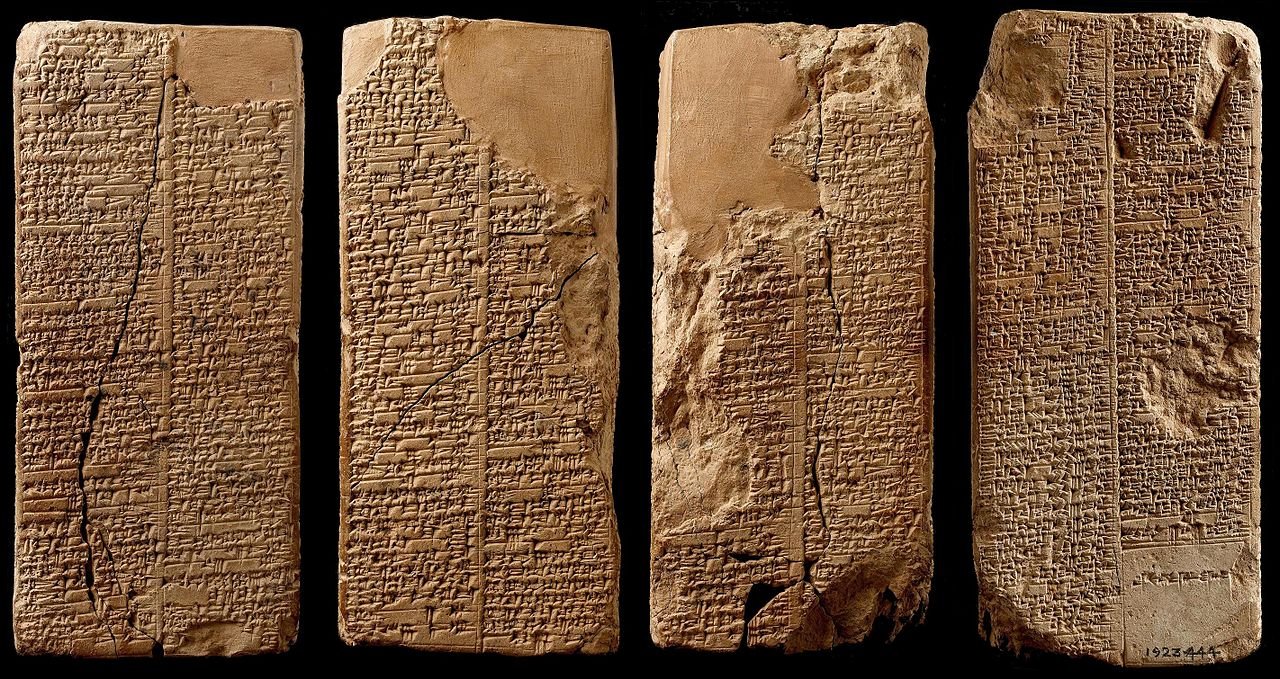
The original texts, however, are theological narratives composed in Sumerian and later Akkadian. They were inscribed on clay tablets using wedge-shaped marks known as cuneiform, one of the earliest writing systems in human history.
Archaeologists have uncovered thousands of such tablets in present-day Iraq, particularly at sites like Ur, Uruk, and Nippur. Many are now housed in major institutions including The British Museum, The Louvre Museum, and the Oriental Institute of the University of Chicago.
Experts in Assyriology, the academic study of ancient Mesopotamia, say these stories must be understood within their cultural context.
“These were not scientific documents,” one Near Eastern historian explained in a recent university symposium. “They were religious narratives that addressed fundamental questions about existence, suffering, and purpose.”
The Core Creation Myth: Humans Made from Clay
The Atrahasis Epic and Mesopotamian Theology
One of the central sources behind the Unexpected Story of Human Origins is the Atrahasis Epic, an Akkadian text dating to around the 18th century BCE.
In this narrative, lesser gods grow weary of performing labor such as digging irrigation canals. The higher gods decide to create humans to take over the work. The god Enki, associated with wisdom and water, plays a key role in shaping humanity from clay mixed with divine blood.
This imagery reflects daily life in Mesopotamia, where clay from the Tigris and Euphrates rivers was central to construction and agriculture.
The story is symbolic. Scholars interpret the mixing of clay and divine essence as expressing the belief that humans share both earthly and sacred qualities.
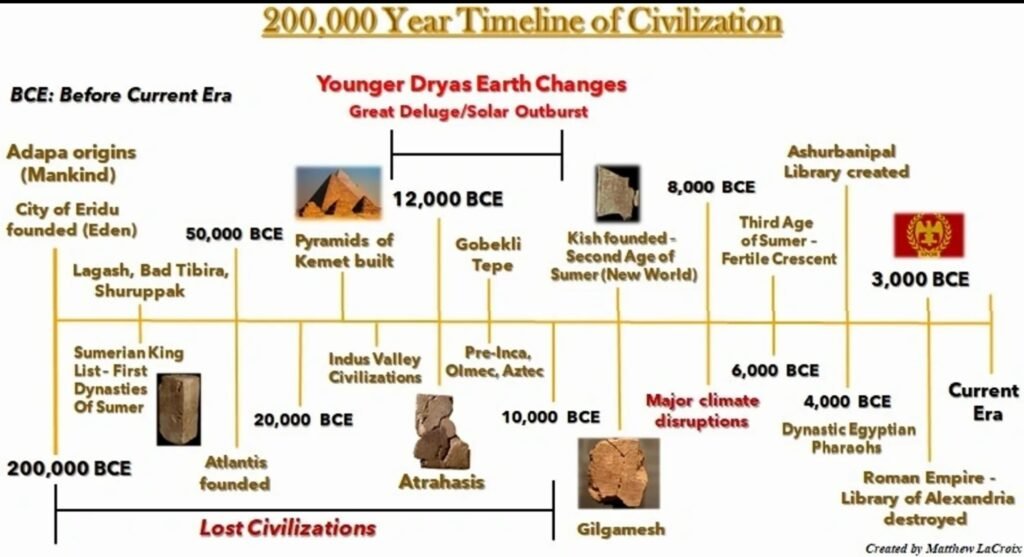
How This Differs from Scientific Accounts
Evolutionary Evidence
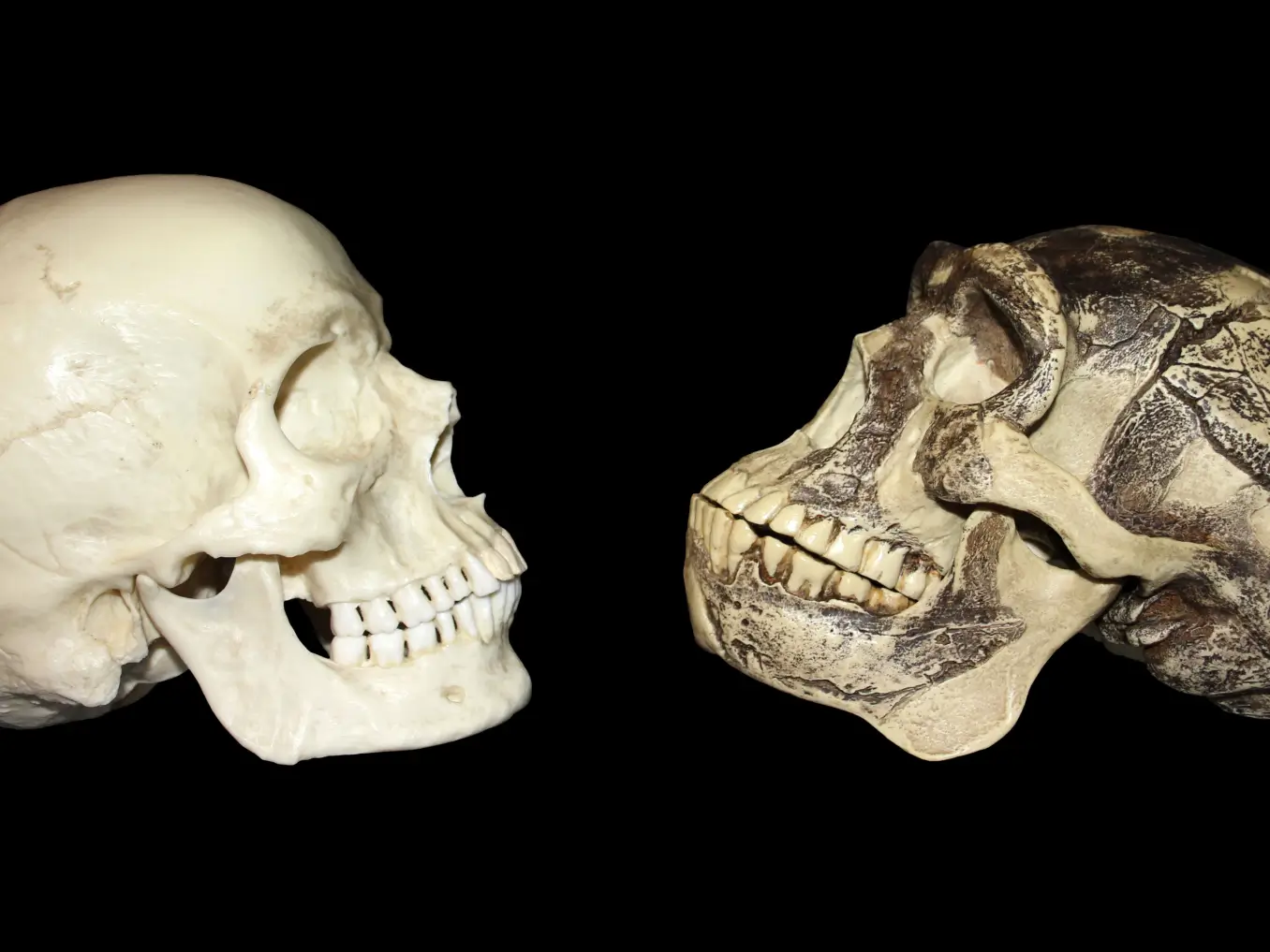
Modern science presents a detailed account of human origins grounded in fossil records and genetic analysis.
According to the Smithsonian National Museum of Natural History, fossil discoveries in Africa indicate that Homo sapiens emerged approximately 300,000 years ago. DNA studies published in peer-reviewed journals show shared ancestry among modern populations.
These findings are independent of ancient mythological literature.
“Evolutionary biology relies on physical evidence and repeatable testing,” said one paleoanthropologist in a public lecture series. “Mythology reflects worldview and belief. They operate in different domains.”
There is no scientific data supporting claims that ancient Mesopotamian texts describe literal biological engineering.
Why the Narrative Feels “Unexpected”
Symbolism and Modern Interpretation
The Unexpected Story of Human Origins resonates partly because it describes intentional creation. Unlike gradual evolutionary change, the Sumerian myth presents humanity as purposefully designed.
This narrative structure can appear striking to modern audiences.
However, historians note that many cultures developed similar stories. Ancient Egyptian, Greek, and Hebrew traditions also describe humans formed from earth or clay.
Such themes likely reflect shared agricultural symbolism rather than historical memory.
The Role of Artificial Intelligence in New Discoveries
Digital Tools and Text Recovery
Recent advances in artificial intelligence and high-resolution imaging have helped scholars reconstruct damaged tablets.
Research teams use machine learning models to identify broken cuneiform signs and match fragments stored in different museums.
These technological breakthroughs have expanded access to ancient literature and clarified linguistic details.
They have not produced evidence altering established scientific knowledge about human origins.

The Broader Mesopotamian Context
Urban Innovation and Intellectual Life
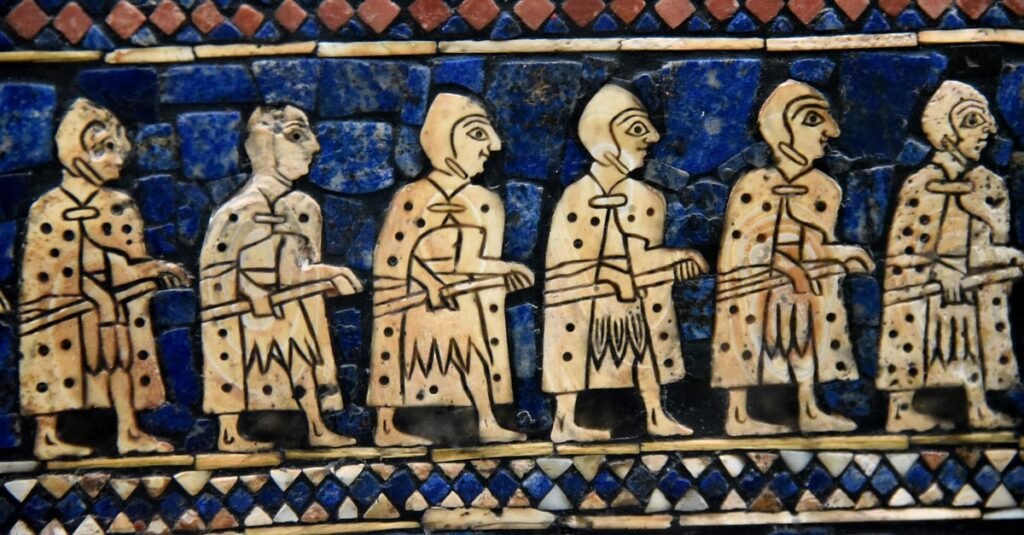
Sumerian civilization, which flourished between 3500 and 2300 BCE, is widely regarded as one of the world’s first urban societies.
It introduced monumental architecture, codified laws, and complex trade systems. Writing itself emerged in this environment, initially for record-keeping before expanding into literature.
The creation myths form part of a broader religious framework that also includes flood narratives, divine councils, and cosmic battles.
The Epic of Gilgamesh, another major Mesopotamian work, explores mortality and the human condition. It contains one of the earliest recorded flood stories, which parallels later traditions.
Addressing Popular Misconceptions
Claims of Extraterrestrial Involvement
Some modern authors argue that references to “gods” in Mesopotamian texts should be interpreted as technologically advanced beings.
Assyriologists reject this interpretation.
They note that the original Sumerian and Akkadian terms clearly align with religious worship practices, temple rituals, and mythic cosmology.
“There is no linguistic evidence that the texts describe extraterrestrials,” one academic journal article concluded. “Such claims reflect contemporary speculation rather than ancient intent.”
Mainstream scholarship relies on philological analysis, archaeological context, and cross-cultural comparison.
Why These Myths Still Matter
Cultural and Philosophical Significance
Although the Unexpected Story of Human Origins does not alter scientific timelines, it holds cultural importance.
These narratives represent one of humanity’s earliest recorded efforts to explain existence. They show how ancient societies grappled with labor, suffering, and divine authority.
They also illustrate the emergence of structured storytelling, moral reasoning, and symbolic thought.
Understanding these myths helps historians trace the development of later religious traditions and legal systems.
Bridging Ancient Belief and Modern Knowledge
The tension between myth and science often reflects different types of inquiry.
Myths answer questions about purpose and meaning. Science answers questions about mechanism and process.
Scholars emphasize that appreciating Sumerian creation stories does not require rejecting evolutionary theory.
Instead, they suggest viewing the texts as cultural artifacts that illuminate early human imagination and intellectual achievement.
FAQ
What is the Unexpected Story of Human Origins?
It refers to renewed public interest in Sumerian creation myths describing humans formed from clay by divine beings.
Are these tablets newly discovered?
Most have been known for decades. Recent technology has improved translation and reconstruction.
Do these myths contradict evolution?
No. Evolutionary theory is based on fossil, genetic, and archaeological evidence unrelated to mythological texts.
Why are these stories important?
They represent some of the earliest written reflections on human purpose and society.
The Continuing Research Effort
Thousands of tablets remain untranslated. Academic institutions continue cataloging fragments and publishing findings.
As digitization progresses, public access will likely increase. Scholars say transparency and careful explanation are essential to prevent misinterpretation.
For now, experts maintain that while the Unexpected Story of Human Origins offers a compelling window into ancient belief, it does not replace or revise the scientific narrative of how Homo sapiens evolved.
Final Paragraph
The rediscovery and reinterpretation of ancient Sumerian texts highlight humanity’s enduring fascination with its beginnings. Researchers say that understanding these early myths requires both respect for cultural heritage and commitment to empirical evidence—an approach that keeps mythology and science in their proper, distinct spheres.