
Step outside on a hot afternoon and you immediately search for shade, water, or a cooler room. Temperature quietly controls our comfort, our energy, and even our mood. In the wild, however, animals don’t get that luxury. They cannot switch on a fan, wear layered clothing, or adjust a thermostat. Their survival depends entirely on biology.
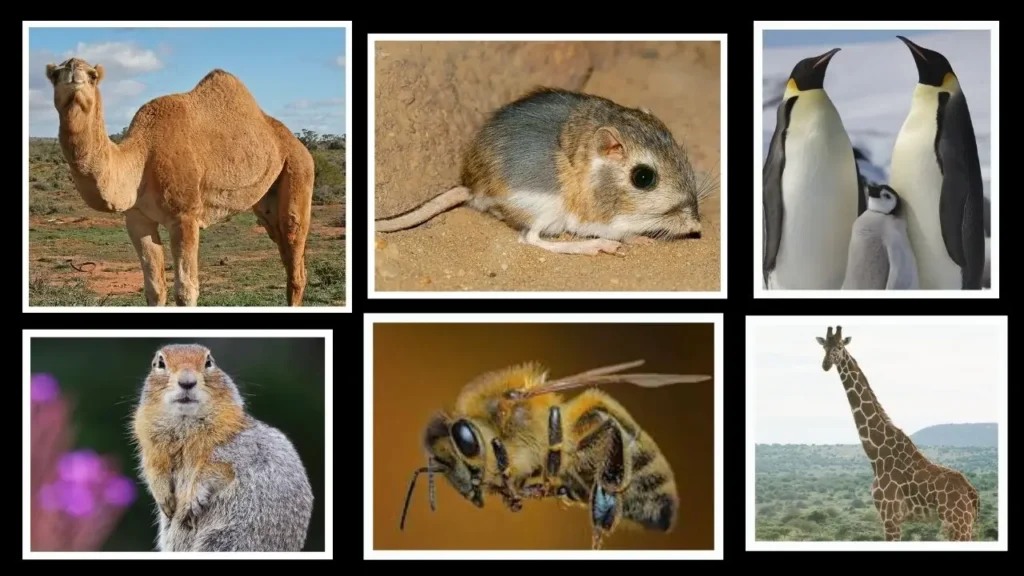
That is why animals with unusual ways of controlling body temperature are so fascinating. These creatures don’t merely survive extreme climates they solve them. Observing animals with unusual ways of controlling body temperature reveals how evolution has engineered solutions far more efficient than many human technologies. Across deserts, oceans, forests, and polar regions, animals have developed unique strategies to manage heat and cold. Some avoid sweating altogether, some share warmth with neighbors, and a few nearly shut down their bodies during winter. Wildlife researchers continue to study these systems because they influence migration patterns, feeding behavior, and breeding cycles. More importantly, scientists now copy these natural mechanisms to design temperature-regulating clothing, medical preservation methods, and energy-efficient buildings.
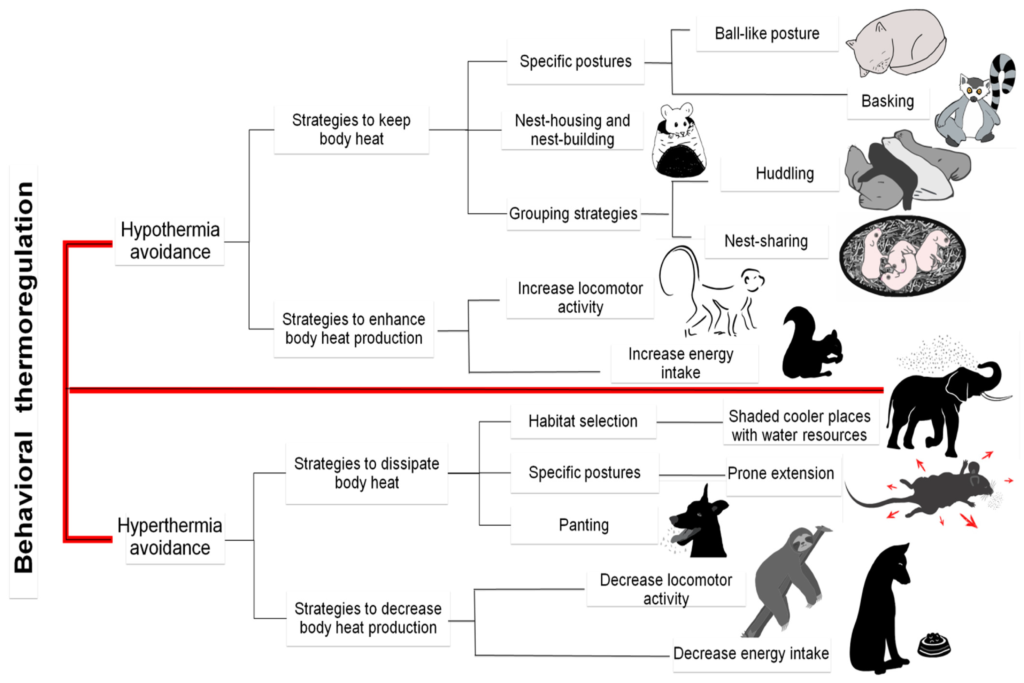
Animals with unusual ways of controlling body temperature rely on a process called thermoregulation. This process allows a creature to keep its internal organs functioning even when outside temperatures change drastically. Instead of a single method, species use combinations of behavior, anatomy, and chemistry. Some conserve water, others store heat, and many simply change activity schedules. These biological temperature strategies are especially important today, as rising global temperatures force animals to adapt faster than ever. By understanding these mechanisms, scientists also develop new cooling materials, improved insulation systems, and safer medical storage techniques.
Table of Contents
Animals With Unusual Ways of Controlling Body Temperature
| Animal | Habitat & Climate | Main Temperature Problem | Temperature Control Method | Key Advantage |
|---|---|---|---|---|
| Camel | Desert heat & drought | Extreme daytime heat | Allows body temperature fluctuation | Reduces sweating and water loss |
| Kangaroo Rat | Arid desert nights | Lack of water | Produces metabolic water & stays nocturnal | Survives without drinking |
| Emperor Penguin | Antarctic freezing winds | Severe cold exposure | Huddling & heat-exchange blood flow | Conserves body heat |
| Honeybee | Seasonal environments | Overheating & winter freezing | Group cooling and heating behavior | Stable hive climate |
| Arctic Ground Squirrel | Arctic winters | Subzero temperatures | Supercooling hibernation | Prevents cell damage |
| Giraffe | Sunny savanna | Intense solar radiation | Skin capillary heat release | Avoids overheating |
The natural world is full of creative solutions to harsh environments. From camels conserving water in scorching deserts to penguins sharing warmth on Antarctic ice, animals have evolved precise systems that allow them to function where survival seems impossible. These animals with unusual ways of controlling body temperature do not rely on strength or speed; they rely on efficiency, cooperation, and smart biological design.
Camels: Masters Of Desert Heat
- Camels are among the most famous animals with unusual ways of controlling body temperature. Humans maintain a narrow body temperature range around 37°C, but a camel allows its temperature to rise during the day and drop at night.
- This strategy reduces sweating, which prevents dangerous water loss. Their thick coat slows external heat absorption, and their oval red blood cells keep circulation flowing even during dehydration. Camels can lose a large percentage of body water and still function normally.
- Their humps store fat rather than water. When food becomes scarce, the fat converts into energy and small amounts of metabolic water, supporting survival in harsh deserts.
Kangaroo Rats: Never Drinking A Drop
- Kangaroo rats live in extremely dry regions and can survive without ever drinking liquid water. They produce moisture internally when digesting seeds. Their kidneys conserve water efficiently by creating highly concentrated urine.
- They also regulate heat behaviorally. During the day they remain inside cool underground burrows and only forage at night. Their nasal passages cool exhaled air, causing water vapor to condense and return to the body.
Emperor Penguins: Warmth In The Coldest Place
- Emperor penguins survive Antarctica’s freezing environment through cooperation. They form large huddles, sharing body heat and rotating positions so no individual remains exposed to the wind for long.
- Their blood circulation also conserves heat. Warm blood transfers heat to colder returning blood before reaching the feet, reducing heat loss to the ice while maintaining a warm core body temperature.
Honeybees: A Living Thermostat
- Honeybee colonies act as a single climate-controlling unit. In hot weather, bees fan their wings and spread water droplets inside the hive, cooling it through evaporation.
- During winter they cluster tightly and vibrate muscles to produce heat. The queen stays protected at the center where the temperature remains stable enough for survival.
Arctic Ground Squirrels: Surviving Being Frozen
- Arctic ground squirrels allow their body temperature to fall below freezing during winter hibernation. Special proteins prevent ice crystals from damaging cells, and metabolism slows dramatically.
- They periodically warm up before returning to hibernation, a cycle that helps prevent long-term cellular injury. Scientists study this process to improve organ preservation and trauma treatment.
Giraffes: Built-In Cooling Towers
- Giraffes face intense solar heat across a large body. Dark patches on their skin contain dense capillaries that release heat into the air. Their height exposes them to cooler breezes, helping additional cooling.
- This natural radiator system prevents overheating in open savanna environments.
Why These Adaptations Matter
- Researchers study animals with unusual ways of controlling body temperature to design better insulation, ventilation systems, and medical preservation methods.
- Natural strategies often save energy by working with the environment rather than resisting it.
- As global temperatures become more extreme, understanding these biological systems may help both wildlife and humans adapt.
Understanding these adaptations is more than curiosity. Scientists are already applying these lessons to real life improving insulation materials, designing energy-efficient buildings, and researching medical preservation techniques. As climates continue to change, studying animals with unusual ways of controlling body temperature may help humans learn how to adapt more sustainably. Nature has been solving temperature challenges for millions of years, and its solutions remain some of the most effective ever discovered.
FAQs About Animals with Unusual Ways of Controlling Body Temperature
1. What does thermoregulation mean?
It is the ability of an organism to maintain a stable internal temperature despite environmental changes.
2. Which animal handles desert heat best?
Camels are highly adapted because they tolerate rising body temperature and conserve water.
3. Can mammals survive freezing temperatures?
Yes, Arctic ground squirrels can endure body temperatures below freezing during hibernation.
4. How do penguins stay warm?
They huddle together and use specialized blood circulation to reduce heat loss.