
Road safety has become a growing concern in many parts of the United States, particularly in states where high-speed driving contributes to serious accidents and fatalities. California, known for its busy highways and dense urban traffic, is now exploring stronger measures to address dangerous speeding.
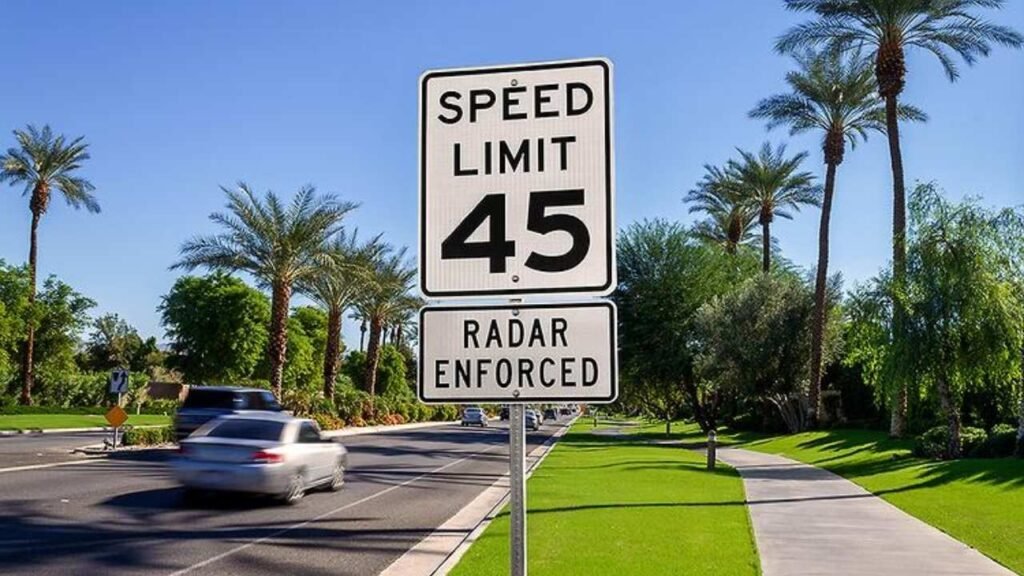
Lawmakers have introduced a new proposal aimed at repeat offenders who continue to violate speed limits despite fines and penalties. The proposal focuses on using technology to prevent extreme speeding rather than relying solely on traditional enforcement methods.
Under the plan, drivers who repeatedly break speed laws or are caught driving at extremely high speeds could be required to install technology that physically limits how fast their vehicles can travel. The goal is not to punish ordinary drivers but to target those who pose the greatest risk on the road. Supporters believe this measure could significantly reduce accidents caused by reckless speeding while encouraging safer driving behavior among offenders.
The proposal for mandatory speed limiters for repeat speeding drivers centers on the use of technology known as Intelligent Speed Assistance (ISA). If approved, certain drivers convicted of serious speeding offenses—such as driving more than 100 miles per hour or repeatedly violating speed limits—may be required to install a speed-limiting device in their vehicles. Courts would have the authority to order the installation of the device before the offender is allowed to drive legally again. The system works by identifying the posted speed limit of a road and restricting the vehicle from exceeding it.
Table of Contents
California Pushes Mandatory Speed Limiters
| Key Aspect | Details |
|---|---|
| Proposal Name | Stop Super Speeders Act |
| Location | California, United States |
| Target Drivers | Repeat or extreme speeding offenders |
| Technology Used | Intelligent Speed Assistance (ISA) |
| How It Works | Uses GPS and speed-limit data to restrict vehicle speed |
| Possible Requirement | Mandatory installation ordered by courts |
| Similar Existing System | Ignition interlock devices for DUI offenders |
| Goal | Reduce accidents and deaths caused by high-speed driving |
| Current Status | Under consideration in the California legislature |
What the Proposal Would Do
The proposed legislation aims to introduce a new enforcement tool for dealing with drivers who repeatedly violate speed limits. Instead of relying solely on fines, points on a driver’s license, or temporary suspensions, the plan would require certain offenders to install a device that limits how fast their vehicle can travel.
Under the proposal, a court could order a driver to install a speed-limiting system after being convicted of severe speeding violations. This could include cases where a driver exceeds extremely high speeds, such as 100 miles per hour or more, or repeatedly breaks traffic laws related to speed. Once installed, the device would prevent the vehicle from accelerating beyond the legal speed limit.
The requirement could remain in place for a specific period determined by the court. Drivers with multiple offenses might be required to keep the system installed longer than first-time offenders. This approach focuses on preventing dangerous behavior rather than simply punishing it after it occurs.
What the Device Is: Intelligent Speed Assistance (ISA)
The technology at the center of the proposal is called Intelligent Speed Assistance, commonly known as ISA. This system uses modern navigation and vehicle technology to monitor and control a vehicle’s speed based on the legal speed limit of the road.
ISA works by combining GPS data with a database of speed limits for different roads. The system can determine the maximum legal speed for a specific location and compare it with the vehicle’s current speed. If the driver attempts to exceed that limit, the system can respond in several ways.
In some versions, the technology simply provides warnings, alerting the driver when they are driving too fast. However, the version being discussed for repeat offenders could go further by physically preventing the vehicle from accelerating past the limit. This ensures the driver cannot continue driving at dangerous speeds.
Because the system relies on real-time data, it can adjust automatically when the vehicle moves from one road to another with a different speed limit.
Why Lawmakers Want It
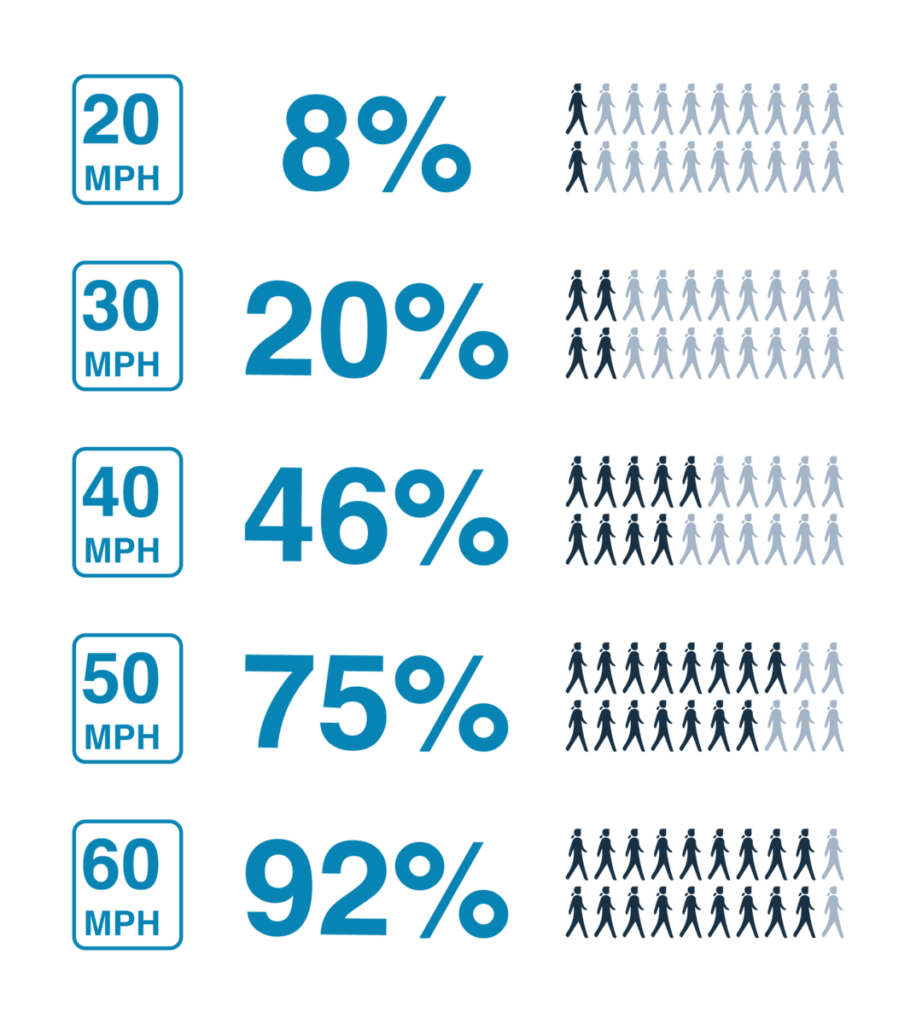
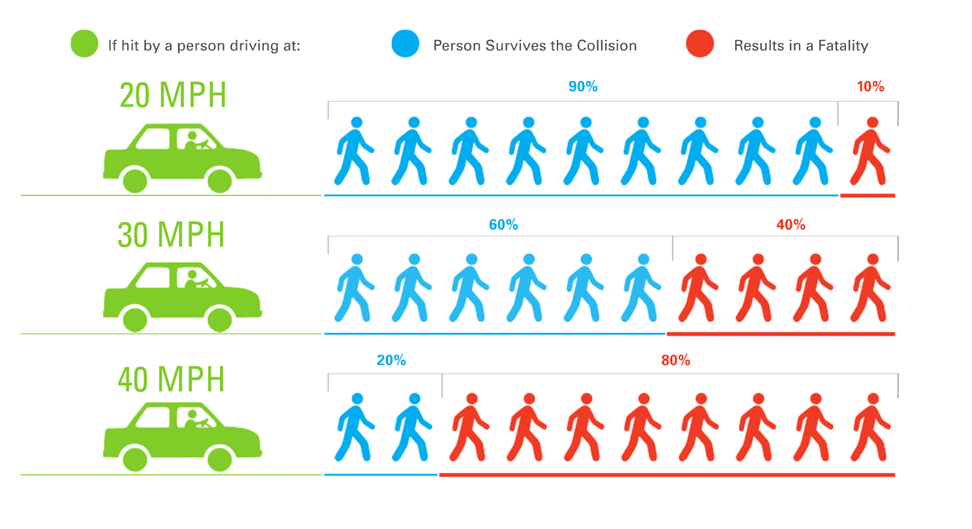
California lawmakers have been looking for new strategies to address the problem of speeding-related crashes. High speeds significantly increase the risk of serious injuries and fatalities during traffic accidents. When vehicles travel at extreme speeds, drivers have less time to react, and collisions become far more severe.
Officials believe that repeat speeding offenders contribute disproportionately to dangerous road conditions. Traditional penalties such as tickets and fines may not always stop these drivers from continuing the behavior. As a result, lawmakers are considering technology-based solutions that physically prevent dangerous speeding.
By requiring speed-limiting devices for certain drivers, the state hopes to reduce the number of high-speed incidents and improve overall traffic safety. Supporters argue that preventing extreme speeding could save lives and reduce serious injuries on California roads.
How This Approach Is Similar to DUI Monitoring
The proposed system is similar to measures already used for drivers convicted of driving under the influence (DUI). In those cases, courts can require offenders to install ignition interlock devices in their vehicles.
An ignition interlock device prevents a vehicle from starting unless the driver passes a breath-alcohol test. This approach has been widely used as a way to prevent repeat drunk driving.
Lawmakers believe a similar strategy could work for speeding offenses. Instead of testing alcohol levels, the device would simply prevent the vehicle from exceeding the speed limit. The focus is on stopping risky behavior before it leads to accidents.
This comparison has helped policymakers explain how the system could work in practice and why it might be effective.
How This Fits Into Broader California Plans
The speed-limiter proposal is part of a broader effort by California to improve road safety. The state has already introduced or considered several measures aimed at reducing traffic accidents and making streets safer for drivers, pedestrians, and cyclists.
Some cities in California have explored lowering speed limits in certain areas, especially where pedestrian activity is high. Other initiatives include expanding automated speed enforcement systems and increasing monitoring of dangerous driving behavior.
Technology is also becoming an important part of road safety strategies. Advanced driver-assistance systems, automated traffic monitoring, and smart infrastructure are being explored to help prevent accidents before they occur.
The proposed speed-limiter requirement fits into this larger strategy by focusing specifically on drivers who repeatedly violate speed laws.
Status of the Proposal
At the moment, the plan is still being debated within the California legislature. Lawmakers are reviewing the proposal and considering its potential impact on road safety, enforcement, and driver rights.
If approved, the measure would not apply to all drivers. Instead, it would be limited to individuals who have been convicted of serious or repeated speeding offenses. Courts would determine when the device must be installed and how long it should remain in place.
Supporters believe the proposal could serve as a strong deterrent against reckless driving, while critics are likely to raise questions about implementation and privacy. As discussions continue, the proposal remains part of an ongoing effort to address dangerous speeding on California roads.
Conclusion
Speeding continues to be one of the leading causes of traffic accidents and fatalities, and California lawmakers are searching for more effective ways to address the problem. The proposed requirement for speed-limiting devices represents a shift toward technology-based enforcement, focusing on prevention rather than punishment alone.
By targeting repeat offenders and extreme speeding cases, the plan aims to improve road safety without affecting the majority of responsible drivers. If the legislation moves forward, it could mark a significant step in how traffic laws are enforced and how technology is used to promote safer driving.