
When you sign up for a rewards credit card, the agreement feels straightforward: use the card, earn rewards, and get money back. That simple promise is exactly why the Capital One cashback lawsuit is drawing attention nationwide.
The Capital One cashback lawsuit isn’t just another technical legal matter buried in financial pages it directly involves everyday cardholders who relied on advertised cashback benefits while planning their spending. Many customers say they didn’t notice the problem immediately. At first, reward balances simply seemed lower than expected. A grocery trip that should have earned a higher percentage didn’t, and a restaurant purchase produced only basic rewards. Over time, people began comparing statements, discussing it online, and filing complaints. Eventually, those concerns turned into a legal claim alleging that some purchases were categorized differently than customers reasonably believed when choosing the card.
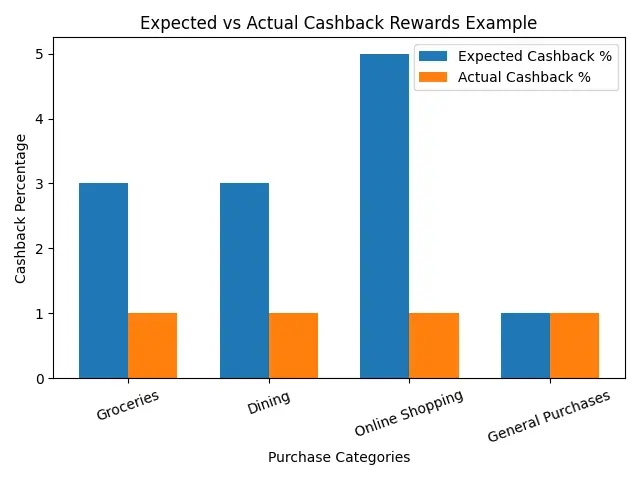
The Capital One cashback lawsuit centers on how purchases are classified and whether cardholders were clearly informed about how cashback actually works. According to the complaint, customers selected specific cards because of higher reward percentages in categories like groceries, dining, and online shopping. However, transactions that appeared to qualify for bonus rewards were sometimes processed under different merchant categories. The lawsuit argues the difference between advertised categories and payment processing categories was not explained clearly enough to the average user. The dispute does not claim cashback was never provided. Instead, it questions whether the reward calculation system matched customer expectations created by marketing materials and promotional offers.
Table of Contents
Capital One Customers Question Missing Cashback
| Key Detail | Information |
|---|---|
| Company involved | Capital One Financial Corporation |
| Type of case | Proposed class action lawsuit |
| Main allegation | Customers did not receive expected cashback rewards |
| Affected products | Certain Capital One credit cards with bonus reward categories |
| Claim focus | Purchase classification and reward calculation |
| Consumer concern | Lower cashback earnings |
| Legal objective | Compensation and clearer disclosure |
| Current status | Case filed and awaiting court review |
At its core, the Capital One cashback lawsuit is about trust and transparency. Customers believed certain purchases qualified for higher cashback. The company maintains rewards were calculated according to program rules. The court will decide whether those rules were communicated clearly enough to ordinary consumers. Regardless of the outcome, the case reminds people to look closely at financial products before relying on advertised benefits. For now, cardholders should stay informed, review their transactions, and keep track of their reward earnings. Small percentages may seem minor at first, but over time they add up which is exactly why the case has drawn so much public interest.
What The Lawsuit Alleges
- The complaint claims that certain transactions were coded into categories that earned less cashback than advertised bonus categories. For example, a person shopping for groceries at a large retail store expected grocery cashback but received standard rewards instead.
- The issue comes down to something most cardholders have never heard of: merchant category codes, often called MCCs. Every business that accepts credit cards registers under a specific classification within the payment network. The credit card issuer uses that classification to determine rewards.
- Customers assumed what they bought determined the reward. The lawsuit claims the determining factor was actually how the store was coded in the payment system.
Why Cashback Categories Matter
- Reward credit cards influence spending habits more than many people realize. Some families carefully organize their purchases to maximize cashback:
- They may use one card for groceries, another for dining, and a third for online subscriptions. Even a small percentage difference can have a real financial impact.
- Imagine a household spending the equivalent of several thousand dollars per year on food and everyday purchases. A promised 3% reward compared to 1% may double or triple the cashback amount. Over several years, that difference could equal hundreds of dollars.
- This is why the Capital One cashback lawsuit matters to consumers. People didn’t just expect a bonus they planned their budgets around it.
How Purchase Classification Works
- Every time you swipe or tap a credit card, a chain of systems processes the payment within seconds. First, the merchant submits the transaction. Next, the payment network identifies the merchant’s category. Finally, the issuing bank applies the reward percentage.The bank usually does not review your receipt or individual items purchased. Instead, it relies entirely on the merchant’s assigned category.
- A supermarket inside a department store may not count as a grocery purchase. A café located inside a bookstore may not qualify as dining. The reward depends on how the business registered itself, not what the customer actually bought. The Capital One cashback lawsuit claims this distinction was not communicated clearly enough for average users to understand.
Who May Be Affected
- The case is filed as a proposed class action. That means a group of customers, rather than a single person, is asking the court to handle the claims together.
- You may be affected if you used a Capital One rewards credit card, made purchases in bonus categories, and noticed a lower-than-expected cashback rate.
- The lawsuit does not assume every cardholder lost rewards. Instead, it argues that a recurring issue may have affected certain purchases across multiple accounts.
- If the court certifies the class, eligible customers would be included automatically unless they choose to opt out.
Capital One’s Response
At this stage, the company has not admitted wrongdoing. Financial institutions commonly respond by stating rewards were calculated according to the program terms and that merchant classification comes from payment networks rather than the bank itself. Credit card agreements often include detailed explanations of reward eligibility, though many consumers never read the full document. The legal question may focus on whether the disclosure was clear enough for an ordinary cardholder to understand before applying. The Capital One cashback lawsuit may ultimately hinge on consumer expectations versus written policy.
What Customers Should Do Now
- Cardholders don’t need to panic or close accounts. The case is still in early proceedings. However, this situation is a good reminder to review reward activity.
- Start by checking recent statements. Look at grocery, restaurant, and online purchases and compare them with the reward rate received. If a transaction seems incorrect, contact customer service and request a review.
- Keep records of statements and reward summaries. Even outside the legal case, monitoring your account helps identify billing errors, unauthorized transactions, and missed rewards.
- Whether or not someone participates in the Capital One cashback lawsuit, paying attention to rewards can prevent future surprises.
Possible Legal Outcomes
- Several outcomes are possible.
- The case could end in a settlement, where customers receive account credits or payments without the company admitting liability. The court could dismiss the case if it determines disclosures were sufficient. The dispute could also proceed further if evidence suggests consumers were misled.
- Sometimes lawsuits like this lead to updated policies rather than financial payouts. Companies may simplify marketing language, clarify category definitions, or add clearer explanations to applications.
Why This Case Matters Beyond One Bank
The larger issue extends beyond a single financial institution. Almost all reward credit cards rely on merchant category codes to determine cashback eligibility. This means the underlying system is industry wide. The Capital One cashback lawsuit highlights a gap between marketing simplicity and payment processing complexity. Many consumers believe rewards depend on what they purchase. In reality, rewards depend on how the store is categorized. If the lawsuit results in clearer disclosures, it could influence how all credit card companies advertise rewards in the future.
The Bigger Picture for Consumers
Reward cards remain useful financial tools when used correctly. Cashback programs can reduce expenses, but only if users understand the rules. Before relying heavily on any rewards card, cardholders should review category definitions, monitor statements monthly, and understand that store classification determines rewards. The situation serves as a financial lesson: benefits often come with conditions, and those conditions matter.
FAQs on Capital One Customers Question Missing Cashback
1. What Is the Capital One Cashback Lawsuit About?
It claims some cardholders received less cashback than expected because purchases were categorized differently than they assumed.
2. Do I Need to Sign Up for The Lawsuit?
If the case becomes a certified class action, eligible customers are typically included automatically unless they opt out.
3. How Can I Check My Rewards?
Review your monthly credit card statements and compare the purchase category with the cashback percentage applied.
4. Are All Customers Affected?
No. The lawsuit alleges a pattern affecting certain transactions, not every cardholder.