
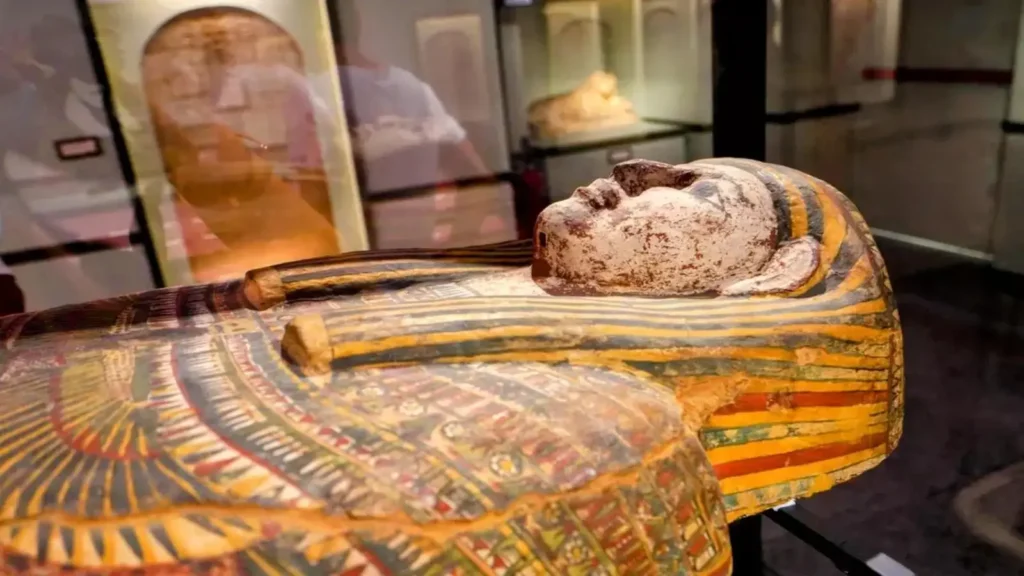
New scientific research into Ancient Egyptian Mummy Balms shows that mummification was not only a preservation method but also a carefully designed ritual involving complex perfumes. In 2026, a multidisciplinary team of archaeologists, chemists, and museum conservators detected aromatic molecules still escaping from preserved bodies more than 3,000 years old, revealing intentional fragrance recipes tied to religion, trade, and early medical knowledge.
Table of Contents
Fragrances Used in Ancient Egyptian Mummy Balms
| Key Fact | Detail |
|---|---|
| Pleasant scent detected | Woody, sweet, and spicy odor profiles |
| Main ingredients | Pine resin, pistacia resin, beeswax, plant oils, bitumen |
| Religious meaning | Fragrance symbolized purity and divine transformation |
Researchers plan to study mummies from different historical periods to identify changing recipes. Conservation experts believe scent analysis will become a standard tool in heritage science. As one museum scientist summarized, the preserved aromas of Ancient Egyptian Mummy Balms are not merely fragrances — they are evidence of belief, trade, and early scientific understanding preserved across millennia.
How Scientists Identified the Smell of Mummies
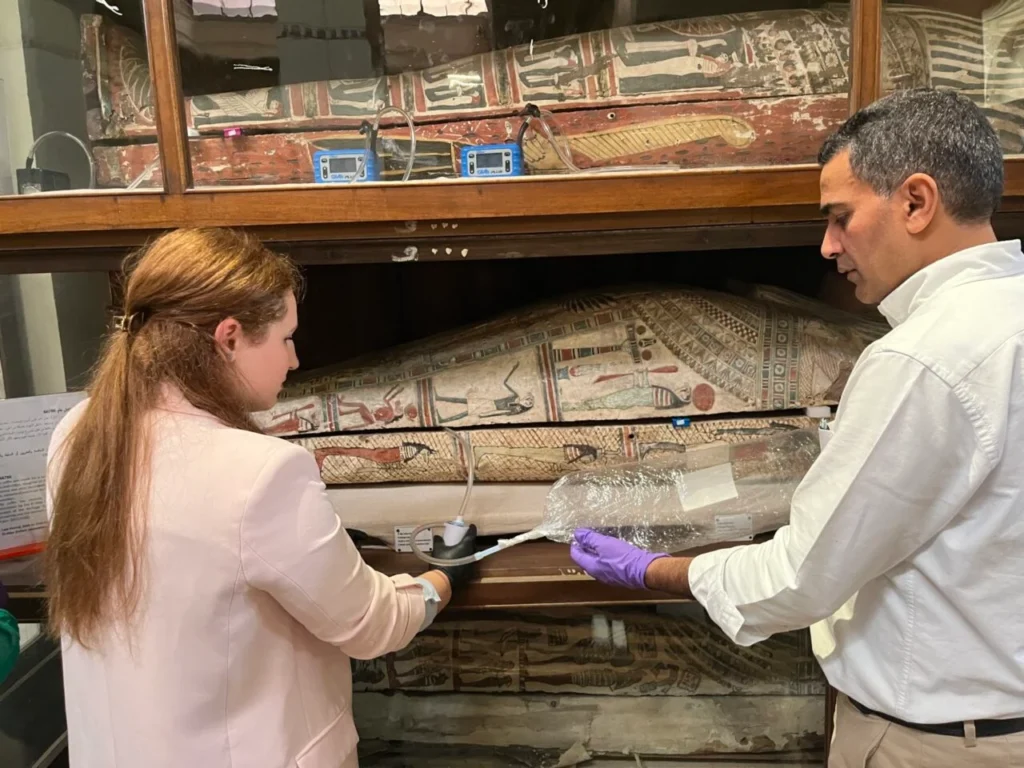
The project combined archaeology with advanced chemical analysis. Instead of sampling tissue — which risks damaging irreplaceable remains — researchers captured air surrounding the mummy cases.
They used absorbent tubes placed near coffins to collect trace airborne compounds released from wrappings. The samples were analyzed using gas chromatography-mass spectrometry, a method widely used in forensic investigations and environmental testing.
Dr. Cecilia Bembibre, a heritage scientist specializing in material conservation, said smell analysis can provide non-invasive insights.
“Odor molecules act as chemical evidence,” she explained during a museum research presentation. “They help us understand the embalming recipe and the preservation state without touching the body.”
Human sensory assessors also participated. Trained panelists described scents as woody, sweet, and resin-like — closer to incense than decay. The findings challenge the popular assumption that ancient bodies smell unpleasant.
Ingredients Found Inside Ancient Egyptian Mummy Balms
Resins and Oils
Researchers identified a mixture of natural substances that served both symbolic and biological functions:
- Conifer (pine) resin
- Pistacia resin (mastic-type resin)
- Plant oils
- Animal fats
- Beeswax
- Bitumen (natural petroleum asphalt)
Egyptologists have long suspected resin use, but the chemical detection of airborne molecules confirmed the aromatic nature of the embalming compounds.
Dr. Salima Ikram, an Egyptologist at the American University in Cairo, noted that scent had spiritual meaning.
“To the ancient Egyptians, pleasant smells were divine,” she explained during a public lecture. “Fragrance represented purity and transformation.”
Imported Luxury Materials
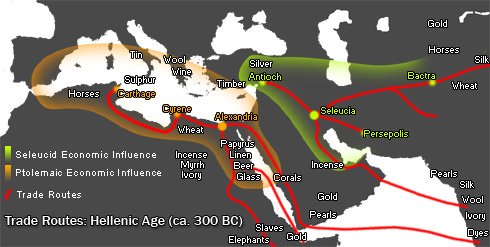
Some resins were not native to Egypt. Chemical signatures indicate foreign origin, showing participation in international trade networks.
Ancient records describe expeditions to a region called Punt, thought to lie along the Red Sea coast, where aromatic resins and myrrh were obtained. Mediterranean trade routes also supplied pistacia resin.
The presence of imported ingredients suggests social hierarchy in funerary preparation. Elite burials likely received more expensive Ancient Egyptian Mummy Balms, while ordinary citizens received simpler treatments.
Why Scent Was Central to Mummification
Religious Beliefs About the Afterlife
Ancient Egyptians believed the soul required a preserved body to exist after death. The body housed several spiritual components, including the ka (life force) and ba (personality).
If the body decayed, the spirit could not survive.
Priests therefore conducted embalming as a sacred ritual. Oils and resins were applied while prayers and incantations were recited.
Fragrance held theological importance:
- Pleasant smell = divine presence
- Decay odor = spiritual danger
Practical Scientific Effects
The balms also had real antimicrobial properties. Modern chemistry shows resins contain natural antibacterial compounds that inhibit microbial growth.
Beeswax created a moisture barrier, while oils protected tissue from drying too quickly. Bitumen sealed the wrappings.
Scientists now recognize that Ancient Egyptian Mummy Balms functioned as a combined religious rite and preservation technology — an early form of applied biochemistry.
The Step-by-Step Mummification Process
Understanding the fragrance requires understanding the full procedure.
- Washing the body – The body was cleaned with water from the Nile and palm wine.
- Organ removal – Internal organs were extracted to prevent decay.
- Drying with natron salt – The body was covered in natural desert salts for about 40 days.
- Application of oils and balms – Embalmers rubbed resins and perfumes into the skin.
- Wrapping – Linen bandages were applied layer by layer with additional balm coatings.
- Final ritual – Priests performed the “Opening of the Mouth” ceremony to restore senses in the afterlife.
The scented balms were applied repeatedly throughout the wrapping stage.
Implications for Archaeology and Museums
The discovery offers a new research field often called sensory archaeology, which studies how people experienced the past through senses beyond sight.
Museums can now monitor preservation using smell rather than physical sampling. Conservation scientists say certain odor molecules can signal bacterial growth or environmental damage early.
Some museums are considering safe reconstructions of the scents for public exhibits. Curators believe recreating the aroma of Ancient Egyptian Mummy Balms could improve educational engagement while protecting original remains.
Historical Context
Mummification began around 2600 BCE during Egypt’s Old Kingdom and continued into the Roman period.
Initially, desert burials naturally preserved bodies. Over centuries, Egyptians developed specialized embalming professions.
By the New Kingdom (1550–1070 BCE), embalming was highly standardized. Workshops employed trained embalmers, priests, and artisans. Written funerary texts such as the Book of the Dead guided rituals.
Different social classes had different packages. Historical writings from Greek historian Herodotus describe at least three levels of mummification services at varying prices.
This suggests Ancient Egyptian Mummy Balms also varied in complexity depending on wealth and status.
Broader Scientific Importance
Researchers say the findings extend beyond Egyptology.
The study helps modern science understand ancient medicinal chemistry. Many plant resins used in embalming are now known to have antifungal and antibacterial properties.
Pharmaceutical researchers study similar natural compounds today for drug development. Conservation scientists also apply the methods to protect historical artifacts made from organic materials.
The research demonstrates that ancient societies combined observation and experimentation long before modern laboratories.
Cultural and Ethical Considerations
The study also raises ethical questions about displaying human remains. Many museums now consult cultural authorities before conducting research.
Egyptian officials have encouraged non-invasive techniques, such as smell analysis, because they avoid damaging human remains.
Curators say the approach balances scientific discovery with respect for the dead.
FAQs About Fragrances Used in Ancient Egyptian Mummy Balms
Did mummies smell bad?
No. Chemical analysis shows many emit pleasant resin-like scents due to preserved embalming compounds.
Why were perfumes necessary?
They symbolized spiritual purification and also slowed bacterial decay.
Were all bodies embalmed?
No. Elaborate mummification was mostly reserved for elites, though simpler versions existed for others.
How long did mummification take?
The full process typically lasted about 70 days.