
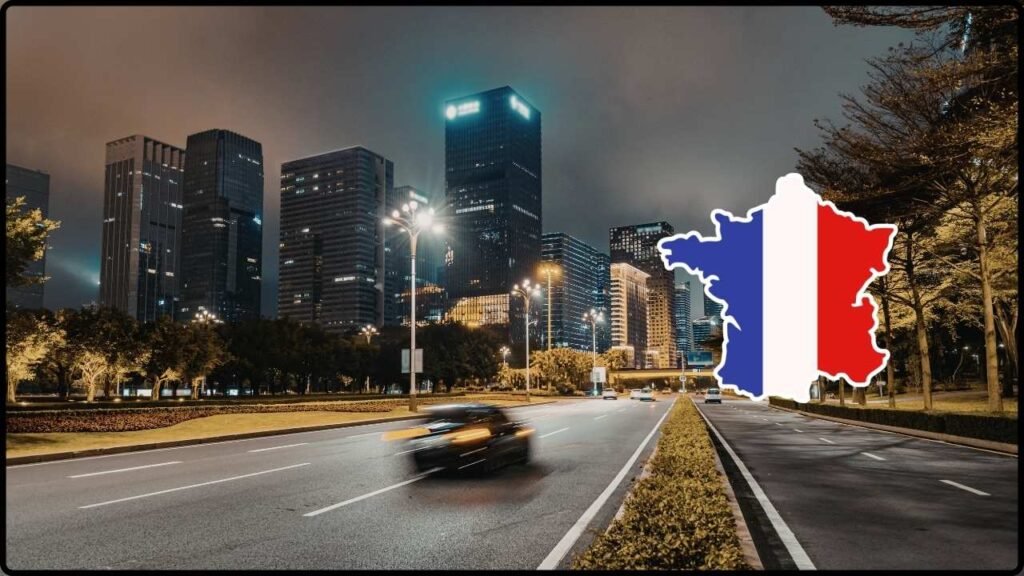
Glow In The Dark Roads Are Coming: Glow in the dark roads are quickly becoming one of the most talked-about innovations in modern transportation infrastructure. France is leading a groundbreaking initiative that uses photoluminescent road markings capable of absorbing sunlight during the day and glowing at night. Instead of relying solely on electricity-powered streetlights, these roads provide natural illumination, helping drivers, cyclists, and pedestrians navigate safely after sunset.
Across the United States, transportation planners are constantly searching for safer, more energy-efficient ways to maintain highways and rural roads. While Americans have explored technologies like solar highways and smart traffic systems, the idea of self-illuminating road markings coming out of France may be one of the most practical and cost-effective concepts yet. Imagine driving down a quiet highway in Montana or Texas where the lane lines softly glow in the dark, guiding drivers through curves and turns without a single streetlight overhead. That’s the promise of glow-in-the-dark road technology.
Table of Contents
Glow In The Dark Roads Are Coming
Glow in the dark roads are coming, and France is leading the project with an innovative approach that could reshape nighttime transportation safety. By using photoluminescent materials that absorb sunlight during the day and glow at night, engineers have created a simple yet powerful solution for improving road visibility. Although high costs currently limit widespread adoption, continued research and technological improvements could make glowing roads a common feature in future infrastructure projects around the world.
| Topic | Details |
|---|---|
| Main Innovation | Photoluminescent glow-in-the-dark road markings |
| Leading Country | France |
| Technology Name | LuminoKrom |
| Developer | OliKrom |
| Glow Duration | Up to 10 hours after sunlight exposure |
| Estimated Cost | €876 per m² vs €47 per m² for traditional paint |
| Main Benefits | Safer roads, energy savings, reduced light pollution |
| Primary Uses | Bike lanes, pedestrian paths, rural roads |
| Research Sources | NHTSA, French transport authorities |
| Official Website | https://www.luminokrom.com |
What Glow In The Dark Roads Actually Are?
At its core, glow in the dark roads rely on a scientific principle known as photoluminescence. If you ever had glow-in-the-dark toys as a kid, you’ve already seen this technology in action.
Photoluminescent materials absorb light energy and slowly release it as visible light in dark conditions.
The road markings used in these projects contain special luminescent pigments that function almost like miniature solar batteries. During the daytime, they collect sunlight and store that energy. When night arrives, the stored energy is released gradually, producing a visible glow that can last for several hours.
Unlike traditional lighting infrastructure, these materials require no electricity, no wiring, and no external power supply.
According to the French materials company OliKrom, their patented technology known as LuminoKrom can glow for up to ten hours after being charged by daylight. The paint can be applied to roads, sidewalks, cycling paths, parking areas, and even industrial safety zones.
The technology is particularly effective for lane markings, road edges, pedestrian crossings, and cycling routes, where visibility can make the difference between safe travel and dangerous accidents.
Why France Is Leading The Innovation?
France has spent the last decade investing heavily in sustainable transportation and energy-efficient infrastructure. The country has set ambitious environmental goals, including reducing energy consumption and lowering carbon emissions from urban development.
Glow-in-the-dark roads fit perfectly within those objectives.
Rather than expanding traditional streetlight networks—which require electricity, maintenance crews, and ongoing costs—French engineers began exploring passive lighting systems that could function without external energy sources.
Several test installations have already been completed across French municipalities.
For example, the city of Pessac in southwestern France installed glowing pedestrian pathways designed to help residents safely navigate parks and sidewalks after sunset. Cyclists and pedestrians reported improved visibility without the harsh glare of traditional lighting.
French local governments have also explored using photoluminescent paint on:
- cycling networks
- pedestrian crossings
- rural roads
- public parking areas
France has also been working toward improving its already extensive bicycle infrastructure, and glow-in-the-dark pathways help create safer nighttime routes for commuters.
This aligns with broader European efforts to promote low-carbon transportation options like cycling and walking.
The Surprising Twist: Cost And Scalability
While the technology sounds almost perfect on paper, there’s one big catch that transportation planners cannot ignore: the cost.
According to research reported by Futura Sciences, photoluminescent road paint can cost approximately €876 per square meter, compared to about €47 per square meter for traditional reflective road paint.
That means the glow-in-the-dark version can be nearly twenty times more expensive than conventional markings.
For large highway networks that span thousands of miles, this price difference adds up quickly.
However, experts believe the initial cost may be offset by long-term savings in lighting infrastructure.
Traditional street lighting systems require:
- electrical wiring
- installation of poles
- regular bulb replacements
- maintenance crews
- electricity consumption
Glow-in-the-dark road markings eliminate most of those costs.
For rural regions where installing lighting systems is extremely expensive, photoluminescent markings may actually be a more economical solution over time.
Glow In The Dark Roads Are Coming: Why Road Visibility Matters More Than Ever?
Improving road visibility is not just a convenience—it is a major public safety issue.
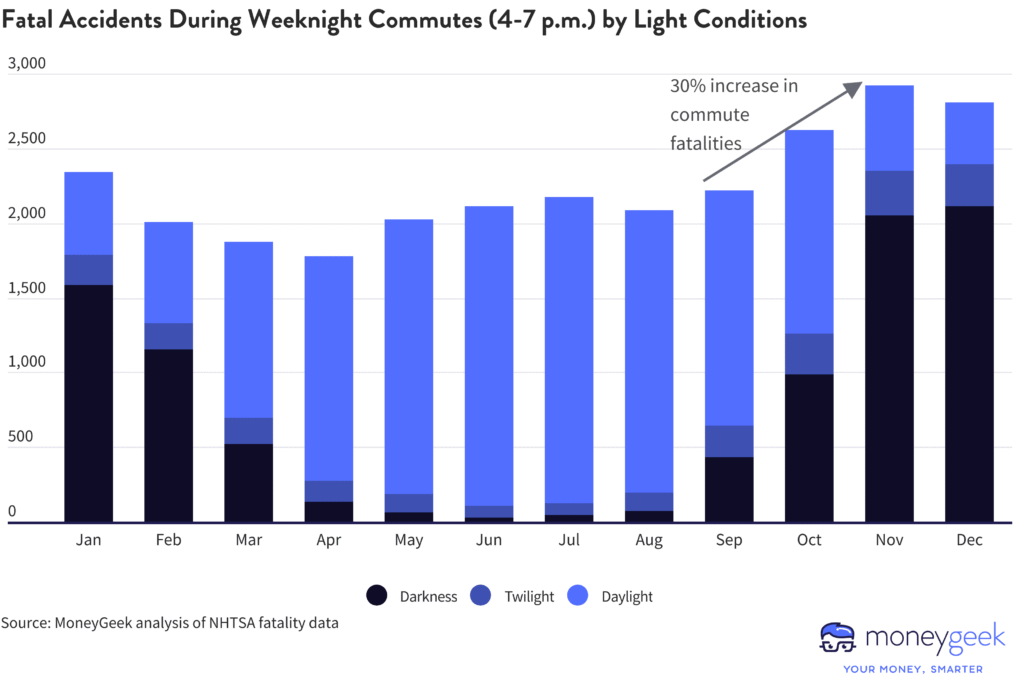
According to data from the National Highway Traffic Safety Administration (NHTSA), nighttime driving conditions are significantly more dangerous than daytime travel.
Statistics from NHTSA show:
- Nearly 50 percent of fatal crashes in the United States occur at night
- Yet only about 25 percent of total driving takes place during nighttime hours
Lower visibility, driver fatigue, and reduced reaction times contribute to these increased risks.
Better lane visibility can help drivers stay within their lanes, identify road edges, and anticipate curves or obstacles.
Glow-in-the-dark road markings provide continuous guidance even in extremely dark conditions, which can significantly improve safety.
How The Technology Works Step By Step?
To understand why glow-in-the-dark roads work so effectively, it helps to break down the process.
Step 1: Specialized Luminescent Pigments
Engineers mix photoluminescent pigments into a durable road paint formula. These pigments contain materials capable of storing light energy.
Step 2: Sunlight Charging
During daylight hours, sunlight activates the pigments and charges them with energy. The brighter the sunlight exposure, the stronger the nighttime glow.
Step 3: Energy Storage
The pigments temporarily store that energy within their chemical structure.
Step 4: Controlled Release Of Light
Once darkness arrives, the pigments slowly release stored energy in the form of visible light.
Step 5: Long-Lasting Illumination
The glow can remain visible for 8 to 10 hours, depending on environmental conditions.
This entire process happens without electricity, sensors, or digital components.
Potential Applications In The United States
If glow-in-the-dark road technology eventually reaches American highways, it could have enormous potential across several sectors.
Rural Highway Safety
Large areas of the United States contain rural roads with limited lighting infrastructure.
States like:
- Wyoming
- Montana
- South Dakota
- Alaska
often have long stretches of highway where visibility is poor at night.
Glow-in-the-dark lane markings could dramatically improve safety without installing expensive lighting systems.
National Parks And Dark Sky Areas
National parks strive to minimize artificial lighting to preserve natural ecosystems and protect night skies.
Locations such as:
- Yellowstone National Park
- Grand Canyon National Park
- Big Bend National Park
could benefit from glowing road markings that guide drivers without contributing to light pollution.
Bicycle Infrastructure
Cities like Portland, Oregon, Minneapolis, Minnesota, and Boulder, Colorado already have strong cycling cultures.
Glow-in-the-dark bike lanes could make commuting safer for cyclists traveling home after sunset.
Pedestrian Walkways And Public Parks
Urban parks often close early due to safety concerns at night. Illuminated pathways could help cities safely extend access to public spaces.
Other Countries Experimenting With Glowing Roads
France is not the only country experimenting with this technology.
Several other nations have conducted pilot programs and research projects exploring photoluminescent infrastructure.
Netherlands Smart Highway Project
The Netherlands launched an innovative project called Smart Highway, designed by artist and designer Daan Roosegaarde.
The concept included glowing lane markings that charge during the day and illuminate at night.
Poland’s Glowing Bicycle Path
Poland installed a glowing blue bicycle path in the city of Lidzbark Warminski. The path contains synthetic phosphors that create a striking blue glow after dark.
Japan And South Korea Research
Asian researchers are also studying luminescent construction materials for use in road safety and emergency infrastructure.
These experiments suggest that glow-in-the-dark road systems could eventually become a global transportation trend.
Challenges Engineers Still Need To Solve
Although the concept is promising, glow-in-the-dark road technology still faces several practical challenges.
Durability
Road surfaces experience constant wear from heavy trucks, weather conditions, and road maintenance equipment.
Photoluminescent paint must remain effective even after years of use.
Weather Dependence
Regions with limited sunlight may not provide enough energy to charge the materials fully.
Cloudy climates could reduce glow duration.
Cost Reduction
Manufacturers must find ways to reduce production costs before the technology can scale across national highway networks.
Maintenance And Reapplication
Like any road paint, photoluminescent markings will eventually need to be repainted.
Transportation agencies must determine how frequently maintenance will be required.
An Always-On Energy Technology Could Reduce Future Power Outages
Ancient Egyptian Toolmakers Used Advanced Drilling Technology 5,000 Years Ago
New Skull Evidence Challenges Long-Standing Out of Africa Assumptions
The Future Of Smart Road Infrastructure
Transportation systems around the world are evolving rapidly. Governments and engineers are searching for smarter ways to improve safety, reduce costs, and build sustainable infrastructure.
Some emerging road technologies include:
- solar power generating highways
- wireless electric vehicle charging roads
- autonomous vehicle guidance systems
- connected traffic signals
Glow-in-the-dark road markings may not be the most complex technology in this list, but they may be one of the most practical and immediately useful solutions.
Sometimes the best ideas are also the simplest ones.
By turning ordinary road paint into a self-illuminating safety feature, engineers may have found a clever way to improve transportation without building massive new infrastructure systems.