
Hair Samples Across a Century: For decades, leaded gasoline was a crucial component in the automobile industry, helping to keep engines running smoothly and efficiently. However, what seemed like a technological advancement came with a significant environmental and health cost. The lead contained in gasoline, when burned, was released into the air, where it could be inhaled or settled into the ground and water, causing widespread contamination. It wasn’t until the late 20th century that the dangers of lead exposure were fully understood, prompting governments around the world to take action.
This article examines the impact of the leaded gasoline ban, focusing on how it has affected human health, environmental quality, and public policy over the past century. We’ll look into the scientific evidence, such as hair sample studies, that clearly demonstrate the positive outcomes of these regulatory changes, and we’ll discuss how we got here—from the introduction of leaded gasoline to its eventual phase-out and full ban.
Table of Contents
Hair Samples Across a Century
The ban on leaded gasoline is one of the most significant public health and environmental victories of the past century. By reducing air pollution and eliminating a toxic substance from the environment, this move has contributed to significant improvements in public health, particularly for children. Through scientific research, advocacy, and political action, the U.S. was able to make strides in reducing lead exposure, setting an example for other countries around the world. Today, we continue to see the benefits of these regulations, but we must remain vigilant about addressing ongoing sources of lead contamination.

| Key Point | Details |
|---|---|
| Lead in Gasoline | Lead was added to gasoline to improve engine performance from the 1920s to 1990s. |
| Health Risks | Lead exposure is linked to neurological damage, especially in children. |
| Ban Timeline | The U.S. phased out leaded gasoline beginning in 1973 and banned it entirely by 1996. |
| Hair Sample Study | Recent studies of human hair over a century show a drastic drop in lead exposure following the ban. |
| EPA Involvement | The EPA spearheaded efforts to regulate and ultimately eliminate lead from gasoline. |
| Public Health Benefits | Reduced lead exposure has led to better overall public health, especially in vulnerable populations. |
| Data Source | Scientific studies from the University of Utah and the U.S. Environmental Protection Agency (EPA). |
| EPA Website | A resource for further information about lead regulations and their impact on health. |
The History of Leaded Gasoline
Leaded gasoline first entered the market in the 1920s with the introduction of tetraethyl lead (TEL) as an additive to fuel. It was developed to increase the engine’s performance by preventing knocking and improving fuel efficiency. This seemed like a breakthrough for the automotive industry at the time. Little did people know that the very substance making their cars run more smoothly would have long-lasting, harmful consequences for human health and the environment.
For several decades, TEL was added to gasoline without any significant public awareness of its dangers. However, over time, researchers began to observe the rise in lead exposure and its effects on human health, particularly on children. In urban areas, where automobile traffic was most concentrated, children living near busy streets showed higher levels of lead in their blood than those in rural settings.
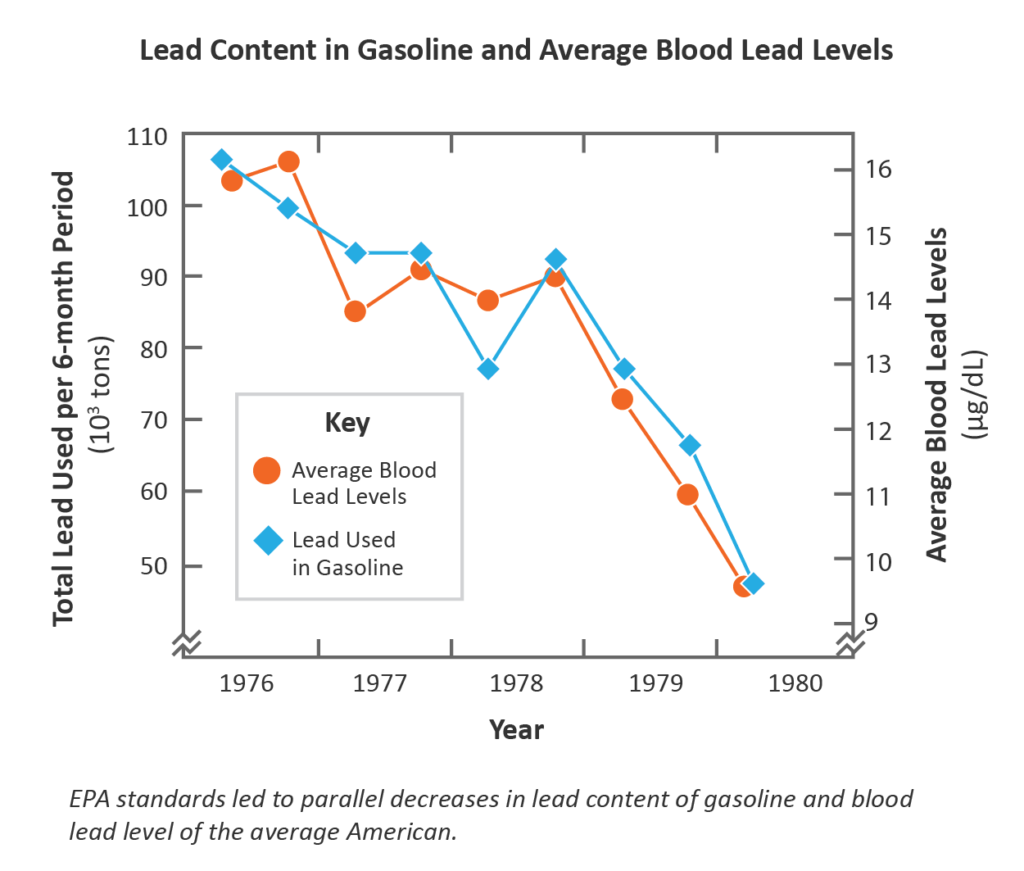
Despite early warnings, it took years for the U.S. government to take action. It wasn’t until the 1970s that the Environmental Protection Agency (EPA) started examining the widespread public health risks caused by leaded gasoline. In 1973, a report from the National Academy of Sciences called for a reduction in lead levels in gasoline, warning that long-term exposure could have serious consequences for human health. As evidence mounted, it became clear that lead in gasoline was contributing significantly to elevated lead levels in the blood of people, particularly children.
The Role of the EPA in the Ban
With mounting pressure from public health experts, environmental organizations, and scientists, the EPA began working to reduce the amount of lead in gasoline. A critical moment came in 1973 when the Clean Air Act was amended to include the regulation of lead in gasoline. This act authorized the EPA to set standards for air quality and pollutants, and in 1974, the agency began taking steps to phase out lead additives in gasoline.
The phasing out of leaded gasoline was a gradual process that began in the 1970s, and it wasn’t until 1996 that the U.S. government officially banned leaded gasoline in motor vehicles altogether. This was a significant victory for public health, but it took decades of advocacy, research, and policy changes to reach that point.
Hair Samples Across a Century: The Science Behind the Ban
One of the most compelling ways to track the impact of the ban on leaded gasoline is by examining biological data over time. In 2026, a groundbreaking study analyzed human hair samples to measure lead exposure over the last century. Hair, as a biological material, has the ability to store environmental pollutants like lead, providing a valuable record of exposure over time.
The study, conducted by scientists at the University of Utah, analyzed hair samples from individuals in the Salt Lake City area dating back as far as 1916. The results were staggering. The levels of lead found in hair samples taken from people before the 1970s were about 100 times higher than those found in more recent decades.
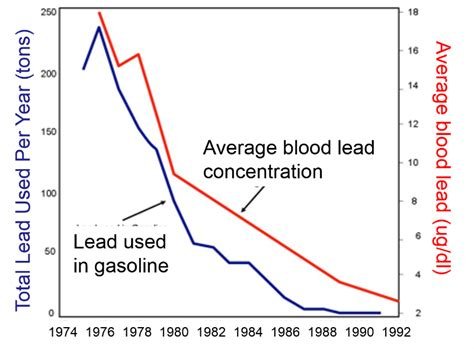
Before the 1970s, lead concentrations in hair samples were reflective of the levels of lead in the air due to the widespread use of leaded gasoline. Once the EPA regulations began in the 1970s, and especially after the full phase-out of leaded gasoline in 1996, lead levels in hair began to drop dramatically. By the early 2000s, these concentrations were at an all-time low. This drop coincided with the regulatory efforts to reduce air pollution, such as the introduction of unleaded gasoline, cleaner engines, and more stringent air quality standards.
The Public Health Impact
The public health impact of these regulations has been profound. Exposure to lead is known to have serious consequences, particularly for children. Lead poisoning can cause developmental delays, learning disabilities, hearing problems, and even seizures in severe cases. Children’s brains are especially vulnerable to the neurotoxic effects of lead, which can impair cognitive function and result in lower IQ.
With the reduction of lead exposure following the ban, numerous studies have documented improved health outcomes. A report from the Centers for Disease Control and Prevention (CDC) in 2022 confirmed that blood lead levels in children have dropped by over 90% since the 1970s, thanks in large part to the phase-out of leaded gasoline. The rate of lead poisoning in children has also dramatically decreased, providing them with better opportunities for academic success and overall well-being.
The reduction of lead exposure has also had a broader societal impact. Experts have noted that as lead levels in children’s blood decreased, there were noticeable improvements in school performance and even public safety. Lower lead exposure is linked to reduced instances of violent crime and other societal challenges, which researchers have connected to improved cognitive abilities and better decision-making among children growing up in cleaner environments.
Hair Samples Across a Century: Real-World Examples of the Impact
While scientific data is essential in understanding the broader impact of the leaded gasoline ban, real-world examples help put these findings into context. Here are a few ways that the leaded gasoline ban has made a difference in communities across the U.S.:
- Public Health Improvements: Health clinics in cities with high levels of automobile traffic have reported fewer cases of lead poisoning in children. Hospitals no longer see the same number of children with elevated blood lead levels that were once common before the ban. These improvements are particularly important for low-income families living in urban areas where air pollution was once a major health risk.
- Educational Success: Studies have shown a correlation between decreased lead exposure and improved educational outcomes. School districts in cities that were previously affected by high lead levels in the air have reported higher test scores and better overall performance from students. This is especially important for vulnerable populations, as education is often the key to breaking the cycle of poverty.
- Economic Benefits: Reducing lead exposure has significant economic benefits. Lower healthcare costs from fewer cases of lead poisoning translate into billions of dollars in savings. The long-term health improvements that result from cleaner air and reduced lead exposure have also had a positive effect on workforce productivity and overall economic growth.
A Detailed Guide: How the Ban Was Achieved
The successful ban on leaded gasoline wasn’t accomplished in a vacuum. It was the result of decades of research, activism, and political action. Here’s a breakdown of the key steps that led to the ultimate phase-out of leaded gasoline:
Step 1: Early Research and Recognition of the Problem (1920-1960)
In the early 20th century, leaded gasoline was seen as a solution to improve vehicle performance. However, by the mid-century, researchers began to notice the harmful effects of lead on human health, especially in children. It wasn’t until the 1960s that researchers began to correlate rising levels of lead in the environment with the increasing number of health problems in urban populations.
Step 2: Advocacy and Legislation (1970s)
In the 1970s, environmental awareness surged, fueled by widespread concern over air pollution and the increasing amount of toxic substances in the environment. Advocacy from environmental groups and public health experts, combined with the establishment of the EPA, helped push for legislative changes. The EPA began working on reducing lead levels in gasoline, and in 1973, it initiated the first of many steps toward limiting lead in fuel.
Step 3: Phasing Out Leaded Gasoline (1980s-1990s)
By the early 1980s, significant strides were made in reducing the amount of lead in gasoline. The EPA implemented stricter regulations, and by 1996, the U.S. had fully phased out leaded gasoline. This marked a major milestone in the fight against environmental pollutants.
Global Context: How Other Countries Handled Leaded Gasoline
While the U.S. led the charge in reducing lead exposure through its ban on leaded gasoline, other countries around the world followed suit at varying paces. In Europe, many countries began phasing out leaded gasoline in the 1980s, and by the early 2000s, most had eliminated it completely. The United Nations worked with global partners to set a goal of eradicating leaded gasoline worldwide, and by 2021, Algeria became the last country to end its use.
The global phase-out of leaded gasoline serves as a major environmental success story, showing how international cooperation and regulation can protect public health and the environment.
Current Efforts and Challenges
Although leaded gasoline is no longer a significant source of pollution, lead remains a problem in certain parts of the world. Older homes built before the 1970s may still contain lead pipes or lead-based paint, which can contribute to poisoning if not properly managed. For example, Flint, Michigan, saw a major crisis when its water supply became contaminated with lead due to outdated infrastructure.
In response, the EPA and various state and local governments are focusing on replacing lead pipes and removing lead-based paint in schools and public housing. Efforts to educate the public about lead exposure risks and prevention strategies continue to be a priority.
What Scientists Say Would Happen If an Asteroid Struck the Moon in 2032
Mummy CT scans Reveal What Daily Life Did to Ancient Egyptian Priests
Scientists Recover a Woolly Rhino Genome From a Wolf’s 14,400-Year-Old Meal