

Hair Samples Across a Century: When it comes to pollution and public health, sometimes the most powerful evidence comes from the most unexpected places. In this case? Human hair. A recent study from the University of Utah has shown that hair samples across a century tell the incredible story of how banning leaded gasoline dramatically reduced lead exposure in the United States. That’s right—locks of hair saved in family scrapbooks and collected over time became a historical map of environmental cleanup. This isn’t just science for the lab—it’s a living, breathing reminder that when we take action to protect the environment, it works.
Table of Contents
Hair Samples Across a Century
This powerful study from Utah shows what we’ve always known deep down: the Earth remembers everything. Our hair, our homes, and our neighborhoods carry the legacy of how we treated the planet—and how we treated each other. But this story isn’t just about the past. It’s about hope, too. It proves that when science leads, and when policy follows, we can undo damage and build healthier futures. So next time you run your fingers through your hair, think of it as more than just style. It’s your own personal history book—a story of progress, of resilience, and of change.
| Key Topic | Details |
|---|---|
| Study Name | Hair Samples Across a Century Show the Impact of the Leaded Gasoline Ban |
| Lead Researchers | Paul Roberts and colleagues, University of Utah |
| Timeframe | Hair collected from 1916 to 2024 |
| Main Finding | ~100x drop in lead levels since the 1970s |
| Exposure Peak | Highest lead exposure was pre-1970, before EPA was formed |
| Health Concerns | Lead damages the brain, heart, and kidneys; especially harmful to children |
| Current Risk Areas | Older homes, imported goods, soil near industrial zones |
| Official Source | EPA Lead Overview |
| Study DOI | Study on PNAS.org |
What Was Leaded Gasoline, and Why Was It Used?
Let’s rewind back to the 1920s. Cars were booming, roads were growing, and folks needed engines that ran smooth. Enter: tetraethyllead, a chemical that stopped engines from knocking. Add a bit of this stuff to gas, and cars purred like kittens. Seemed like a win, right?
But there was a hidden danger.
That same additive was spewing toxic lead into the air. Every trip to the gas station, every mile driven, was adding microscopic poison to the air we breathed, the soil we planted in, and the water we drank. For decades, leaded gasoline was a silent killer, especially for communities near busy roads or industrial centers.
“Leaded gas was like sugar for engines—but poison for people.”
— Ken Smith, Environmental Scientist, University of Utah
How Hair Became a Historical Record of Lead Exposure?
Now here’s where it gets interesting. The research team didn’t use blood tests or air samples. They used human hair—some modern, some saved from over 100 years ago. Families in Utah, particularly among the Mormon community, had preserved locks of hair in scrapbooks, letters, and family records as keepsakes.
Hair grows slowly, about half an inch per month, and as it grows, it absorbs and locks in toxins like lead from your bloodstream. So each strand of hair is like a timeline of exposure—a biological memory card, if you will.
Using mass spectrometry, the team analyzed 670 hair samples spanning over 11 decades. The results were shocking—and encouraging:
- Hair from people who lived near Utah’s smelters in the early 1900s had lead levels up to 200 ppm.
- Modern hair samples had less than 1 ppm, a drop of more than 99%.
- The turning point was clear: The 1970s, when the EPA began pushing out leaded fuel.
Hair Samples Across a Century: Timeline of Lead Regulation in the United States
1921–1970: The Rise of Lead
- Tetraethyllead introduced to gasoline in 1921.
- Became standard in all fuel across the U.S.
- No regulations meant lead emissions skyrocketed.
1970: The EPA Is Born
- President Nixon creates the Environmental Protection Agency (EPA).
- Scientific studies begin linking lead to severe health risks, especially for kids.
1973–1996: Phase-Out of Leaded Gasoline
- EPA mandates a gradual reduction of lead in fuel.
- Auto manufacturers begin shifting to unleaded engines.
- In 1996, leaded gasoline is banned for use in on-road vehicles.
2000s–Present: The Legacy Continues
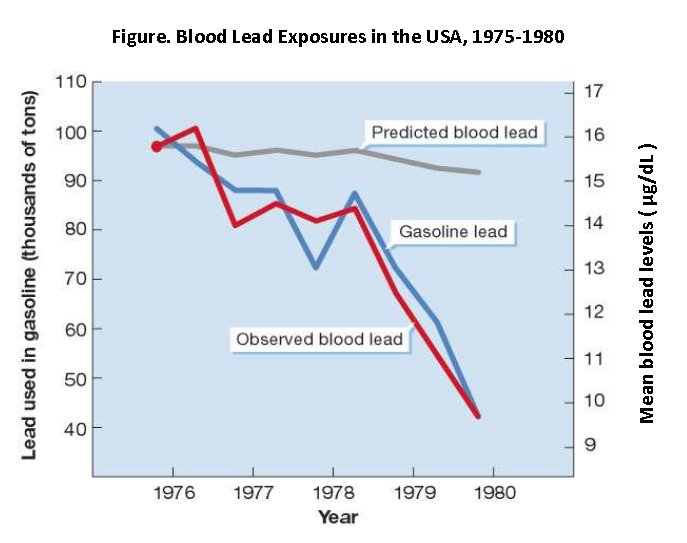
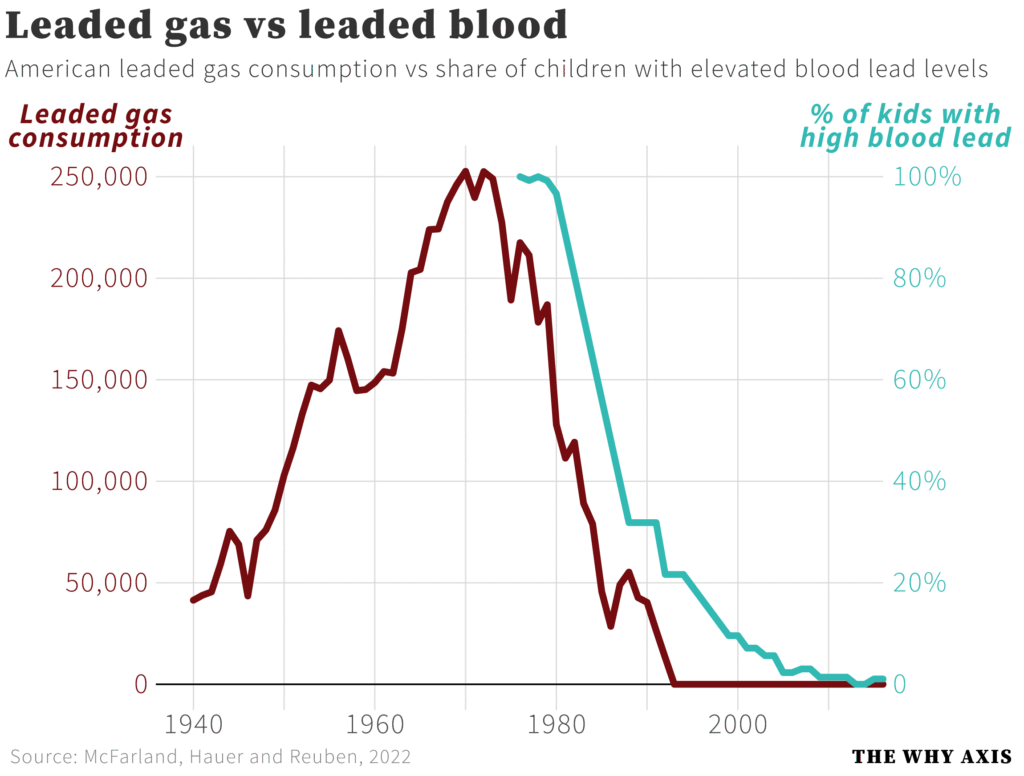
- Blood lead levels in children dropped 94% between 1976 and 2008.
- Hair samples show dramatic improvements, especially in urban and industrial zones.
Why This Hair Samples Across a Century Study Still Matters in 2026?
So, if we banned leaded gas 30 years ago, why are we still talking about it?
Because the legacy of lead still lingers.
Here’s where it hides:
- Old homes: If your house was built before 1978, chances are it has lead-based paint.
- Water pipes: Before 1986, lead was a common plumbing material.
- Soil: Industrial zones and former gas stations may have lead-contaminated soil.
- Imported goods: Toys, jewelry, pottery, and cosmetics from other countries still occasionally contain lead.
And unfortunately, low-income and marginalized communities are often at the highest risk.
Practical Advice: How to Protect Your Family Today
Even though the biggest source of lead exposure (gasoline) is long gone, vigilance is still key. Here’s how to keep your family safe:
1. Test Your Water
- Contact your local utility for a Consumer Confidence Report (CCR).
- If you’re unsure, test your tap water using an EPA-certified kit.
- Flush pipes in the morning before use and use cold water for cooking.
2. Check for Lead Paint
- Homes built pre-1978 should be tested before renovation.
- Hire EPA-certified contractors for repairs or demolition.
- Use wet-sanding techniques and avoid dry scraping.
3. Be Careful with Imported Products
- Avoid painted toys or ceramics without safety labels.
- Be cautious with traditional cosmetics (like kohl or surma).
- Always check the CPSC Recalls Page before buying children’s products.
4. Use Hair Testing for Long-Term Exposure
- Hair samples are ideal for measuring chronic exposure to heavy metals.
- This is especially useful if you live near former smelters, factories, or busy highways.
- While not a diagnostic tool, it can prompt further medical testing.
What Makes This Study So Unique?
Here’s what sets this study apart from past research:
- Time Depth: Covering over 100 years, this is the most comprehensive biological record of lead exposure to date.
- Community-Centric: Hair came from real people, real families, often preserved out of love—not for science.
- Geographical Focus: Focused on Utah, a state with rich mining and industrial history, showing clear links between environment and exposure.
- Legacy Perspective: The study shows not only how things have improved but how previous generations suffered unknowingly.
How This Informs Environmental Policy?
This isn’t just a history lesson—it’s a policy success story.
Because the U.S. banned leaded gasoline and invested in public health protections, we now see:
- Reduced crime rates (yes, lead exposure has been linked to violent behavior!)
- Higher IQs in children
- Lower rates of heart disease and kidney issues
This study gives policymakers hard evidence that environmental action works. It’s a loud-and-clear message: science-based regulation saves lives.
It also sets the stage for future efforts, like:
- Accelerating lead pipe replacements under the Bipartisan Infrastructure Law
- Targeting soil remediation in urban zones
- Expanding testing access in underserved communities
Hair Samples Across a Century Show the Real Impact of the Leaded Gasoline Ban
Gene-Edited Fungus Protein Could Change How Meat Is Produced
NASA Reveals How a Command Mistake Temporarily Shut Down the TESS Planet Hunter