

IRS Tax Refund 2026: IRS Tax Refund 2026 is on every American’s mind this year. Whether you’re filing taxes for the first time, managing a family budget, or running a business, understanding when your refund arrives, why some refunds are delayed, and how to track your refund effectively is crucial. This article breaks it all down in a friendly, conversational tone, but with the depth and accuracy professionals expect. From filing tips and key deadlines to insights on credits, law changes, and historical trends, this comprehensive guide will make the 2026 tax season more manageable and predictable.
Table of Contents
IRS Tax Refund 2026
The IRS Tax Refund 2026 timeline affects millions of Americans. Filing early, e-filing, and using direct deposit ensures faster refunds. Credits like EITC/ACTC may delay some refunds until March. Use official IRS tools for tracking and plan wisely to make your refund work for you.

| Category | Details & Dates |
|---|---|
| Filing Season Begins | Jan. 26, 2026 – IRS begins accepting 2025 returns |
| Tax Deadline | April 15, 2026 – last day to file/owe taxes |
| Most Refunds Issued | ~21 days after e-file acceptance |
| EITC/ACTC Refund Delay | Refunds not before mid-February, many by early March |
| Direct Deposit Push | IRS phasing out paper checks, direct deposit encouraged |
| Tracking Tool | Use “Where’s My Refund?” or IRS2Go app |
| Average Refund Trend | Expected higher than 2025 (~$4,000+) |
What’s IRS Tax Refund 2026 and Why It Matters?
Every spring, millions of Americans file their taxes hoping for a refund — the extra cash from overpaid taxes. The IRS Tax Refund 2026 is based on 2025 tax year returns filed in 2026. Understanding this timeline is essential for budgeting, planning investments, or managing day-to-day expenses.
The IRS expects roughly 164 million individual returns this season, and refunds play a major role in household cash flow. Being informed about timing, delays, and best practices reduces anxiety and improves financial planning.
2026 IRS Tax Refund Timeline – Step-by-Step Guide
Understanding the timeline can help you manage expectations and plan your finances.
Filing Season Opens – January 26, 2026
The IRS started accepting 2025 tax year returns on January 26, 2026. Filing early increases the chances of a faster refund. Tax professionals recommend submitting electronic returns as soon as possible to avoid the last-minute rush and potential errors.
File Electronically with Direct Deposit
Electronic filing combined with direct deposit is the fastest way to receive a refund. According to the IRS, most e-filed returns with direct deposit are processed in about 21 days. It avoids postal delays and is more secure than paper checks.
Paper Returns Take Longer
If you file a paper return, expect longer processing times. Manual entry, verification, and potential errors can delay refunds for 4–8 weeks or more. Mailing early does not always guarantee a faster refund due to processing bottlenecks.
EITC & ACTC Refund Delays
Refunds claiming the Earned Income Tax Credit (EITC) or Additional Child Tax Credit (ACTC) cannot be issued before mid-February, per the PATH Act. Most refunds for these credits are expected by early March if filed electronically with direct deposit. This delay helps prevent fraud and ensures verification of eligibility.
Tracking Your Refund
IRS offers two official tools:
- Where’s My Refund? – Track live refund status.
- IRS2Go App – Check status on your mobile device.
You’ll need your Social Security Number (SSN) or ITIN, filing status, and the refund amount. Updates are usually daily after e-file acceptance.
How the IRS Processes Refunds?
Here’s what happens behind the scenes:
- Submission: Your return is received electronically or by mail.
- Validation: IRS checks for errors, missing info, or identity verification.
- Credit Checks: Special credits like EITC or ACTC are reviewed under federal law.
- Processing: Direct deposit refunds are issued first, paper checks later.
- Delivery: Refunds appear in your bank account or by mail.
Understanding this process helps explain why refunds vary and why some may take longer.
Historical Refund Trends
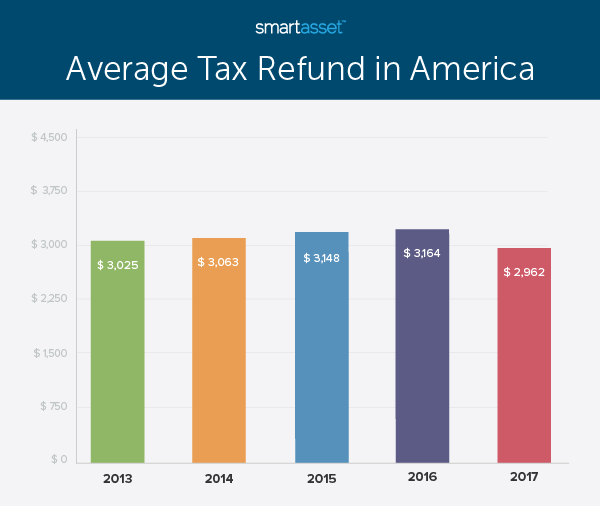
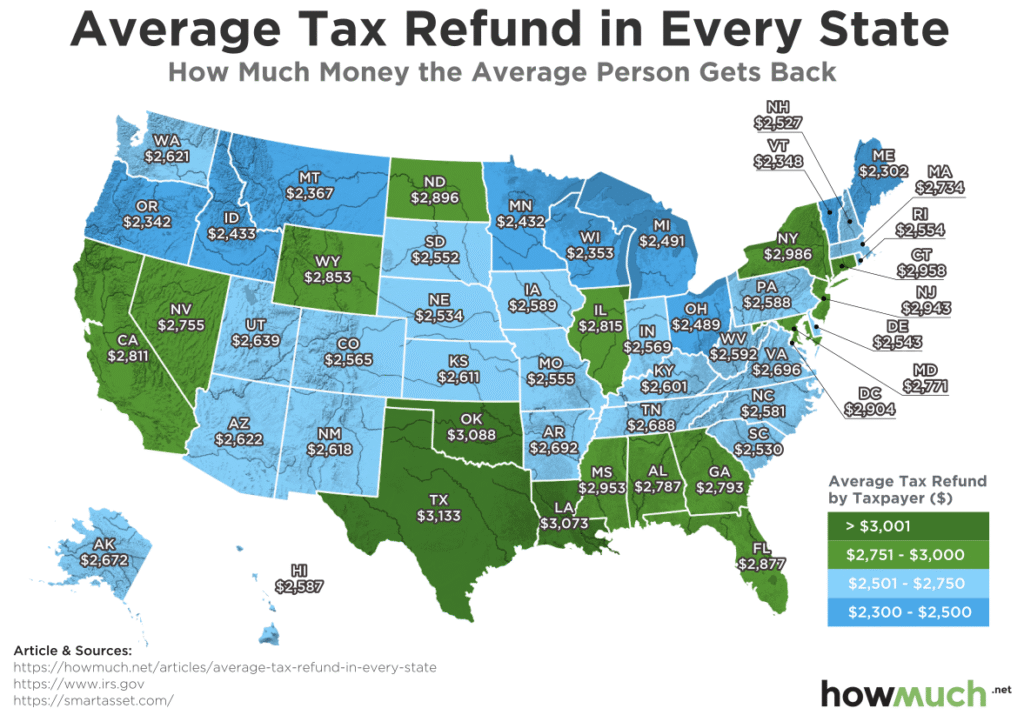
Historical trends provide context for 2026:
- 2024 Average Refund: ~$3,100
- 2025 Average Refund: ~$3,800
- 2026 Projected Refund: ~$4,000+
The increase is partly due to expanded credits and inflation-adjusted deductions. Awareness of historical averages helps taxpayers plan how to use their refund, whether for debt repayment, savings, or investing.
Common Mistakes That Delay IRS Tax Refund 2026
Avoid these pitfalls to speed up refunds:
- Incorrect bank account information
- Errors in SSN or ITIN
- Math errors or missing forms
- Incorrect claims for credits like EITC or ACTC
- Filing late or choosing paper filing unnecessarily
Tips for Faster Refunds
- File early and electronically
- Use direct deposit
- Double-check all information
- Avoid claiming unnecessary credits
- Track your refund online
Following these tips improves timing and reduces anxiety.
Impact of 2025/2026 Tax Law Changes
Key changes affecting 2026 refunds:
- Increased standard deduction
- Expanded child and earned income tax credits
- IRS phasing out paper refund checks
These changes may increase refund amounts or affect timing.
COVID-era Delays and IRS Staffing
The IRS continues to deal with residual staffing shortages and backlog from the pandemic years. Paper returns and amended returns may be slower than usual. Electronic filing is highly recommended, as IRS has improved automation for faster processing.
Professional Insights
Tax professionals and financial planners suggest:
- Start planning refunds early; don’t rely on them for urgent bills.
- Encourage clients to file electronically with direct deposit.
- Track delays for families using refundable credits.
- Consider timing refunds for personal finance planning, such as debt repayment or investment allocation.
Expert Quote:
“Direct deposit is essential in 2026. Paper checks are slow, and EITC claims require extra verification. Planning refunds ahead is key to smooth financial management.” – Certified Tax Professional, IRS-experienced.
Planning Your Refund
Here’s how Americans can plan their 2026 refunds:
- Families: Budget for delayed EITC refunds; avoid overspending.
- Small Business Owners: Adjust estimated tax payments and use refunds for business cash flow.
- Individuals: Use refunds to pay off high-interest debt, build emergency funds, or invest.
Example: A family claiming EITC may expect a delayed March refund. Planning to use it for April bills ensures no shortfall occurs.
Some IRS Refunds May Be Delayed Until March — Who’s Most Affected
Still Waiting on Your Tax Refund? How to Track Your IRS Status Today
New IRS Guidance Could Change How Millions Claim Tax Benefits in 2026 – Check Details