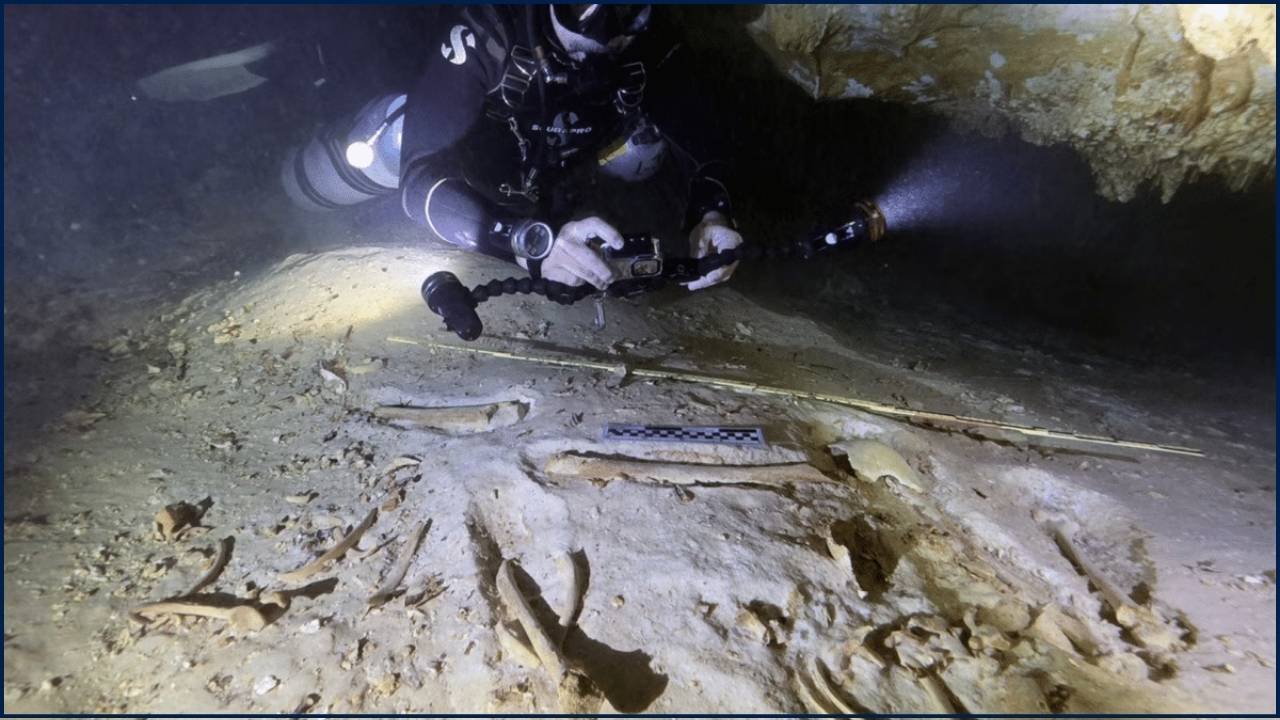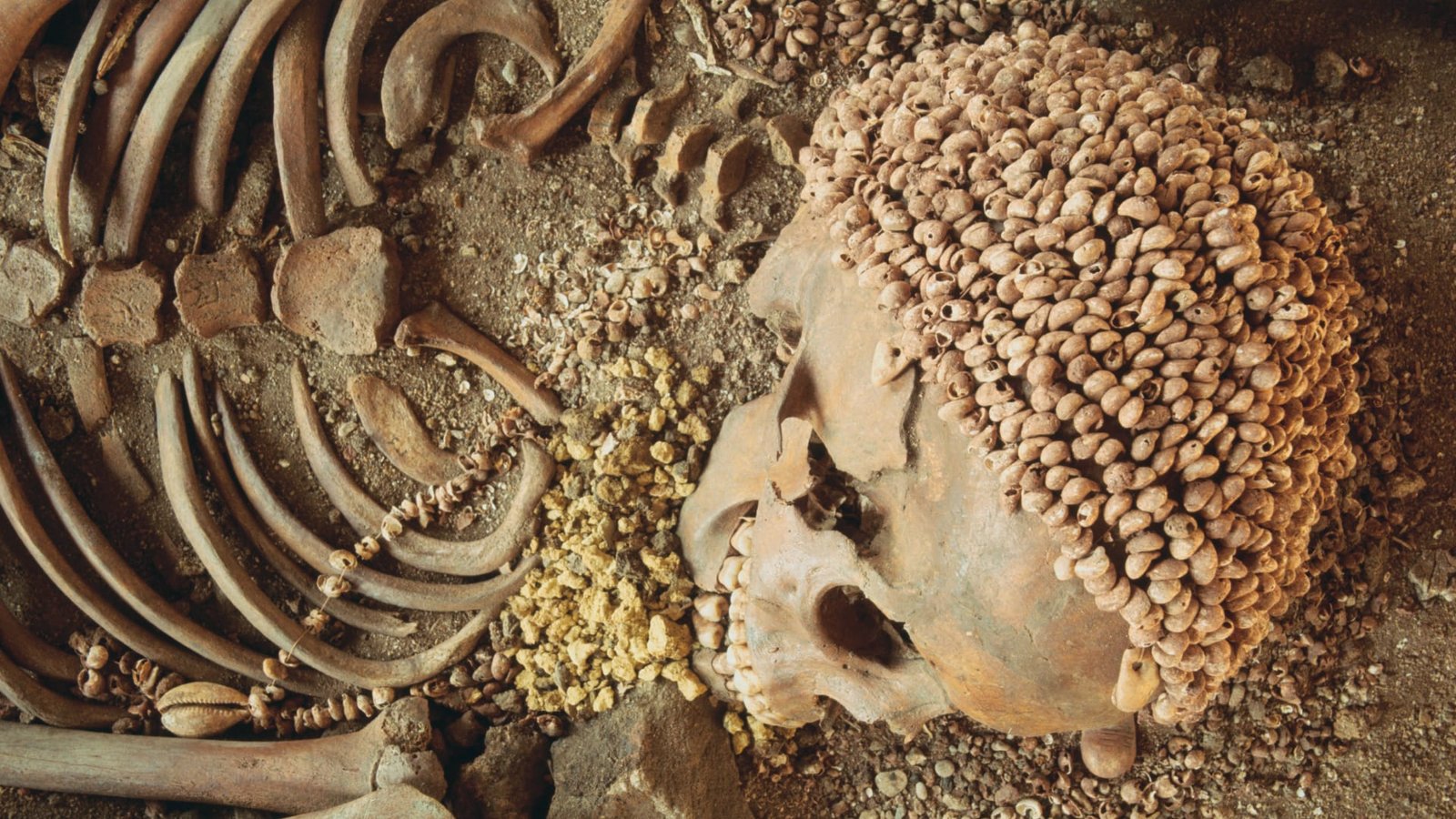

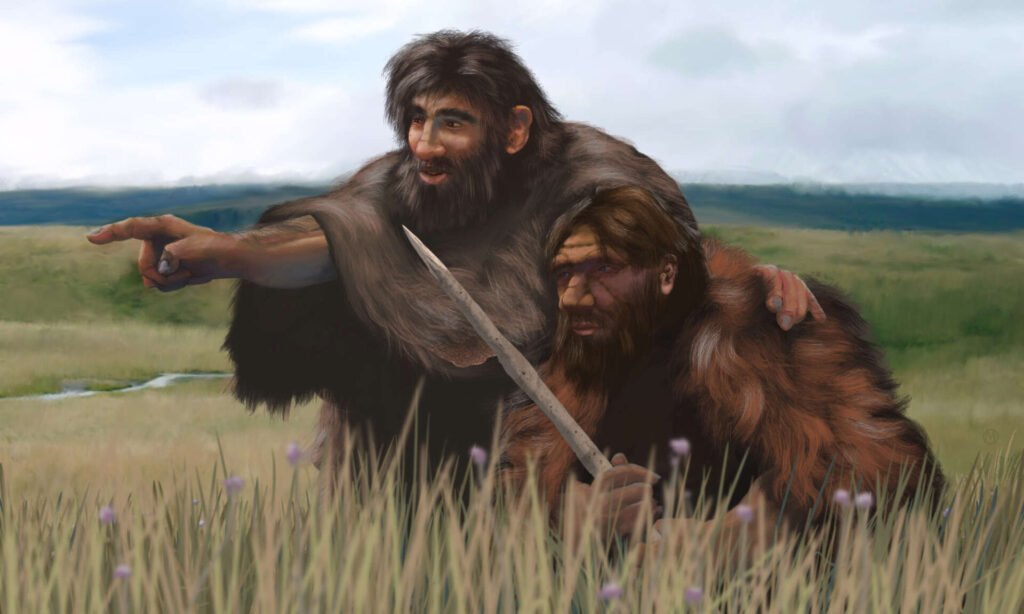
A major international genetics project has found that Neanderthals and Humans Interacted far more closely than previously believed. By analyzing ancient DNA extracted from prehistoric bones, researchers concluded early Homo sapiens and Neanderthals lived near each other and repeatedly formed families across Eurasia around 45,000 years ago, fundamentally reshaping scientific understanding of human evolution and prehistoric social behavior.
Table of Contents
Neanderthals and Humans Interacted More Closely Than Thought
| Key Fact | Detail / Statistic |
|---|---|
| Interbreeding pattern | Mostly male Neanderthals and female modern humans |
| Modern DNA | 1–4% Neanderthal ancestry in most non-African populations |
| Timeline | Major contact ~45,000–49,000 years ago |
What the New Research Found
Scientists compared DNA sequences recovered from Neanderthal fossils with genomes of modern people across Europe and Asia. The research was carried out by multiple international teams specializing in ancient DNA research and human evolution.
The strongest evidence came from analysis of the X chromosome, which carries sex-linked genetic information. Researchers discovered modern humans possess significantly less Neanderthal DNA on the X chromosome than on other chromosomes.
That unusual pattern points to repeated interbreeding but not random mixing.
Population geneticists concluded the most likely scenario was that children were frequently born to human mothers and Neanderthal fathers. Because genetic inheritance differs between males and females, that specific pairing explains the surviving DNA pattern.
Researchers say the data shows Neanderthals and Humans Interacted not during a single encounter, but repeatedly across generations.
Evidence of Long-Term Contact
For decades, textbooks described Neanderthals as a separate species that disappeared soon after modern humans arrived in Europe. The new findings support a different view: coexistence.
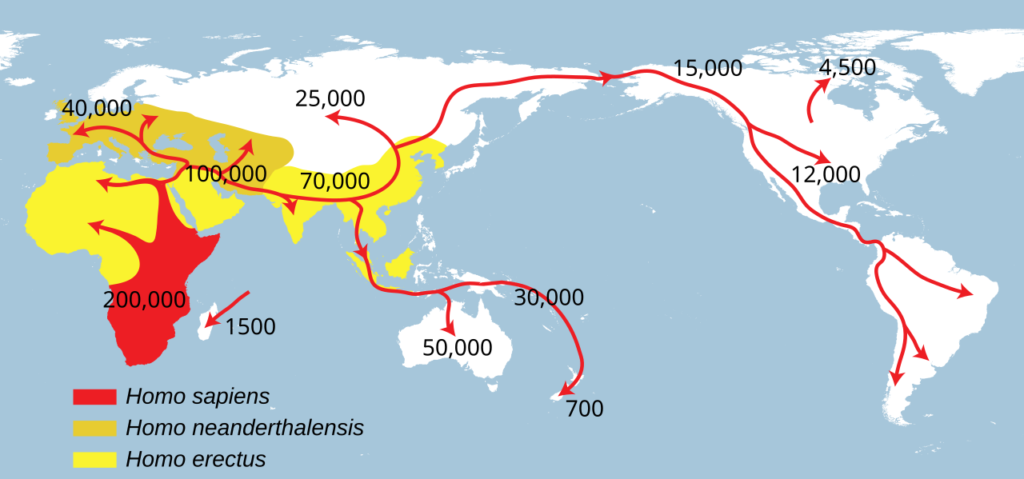
Stone tools discovered in caves across Israel, Syria, and southeastern Europe show similar techniques used by both groups. Some archaeological layers even contain artifacts from both populations in the same time period.
Anthropologists believe this overlap likely lasted thousands of years.
Shared hunting grounds, migration routes, and shelter locations would have naturally brought the populations together. Seasonal migrations following large animals such as bison, horses, and deer likely increased contact.
How Scientists Recovered Ancient DNA
Recovering genetic material from a 40,000-year-old fossil is extremely difficult. Heat, bacteria, and time degrade DNA into microscopic fragments.
Scientists work inside sterile laboratories to prevent contamination. Even a single skin cell from a modern person can ruin a sample.
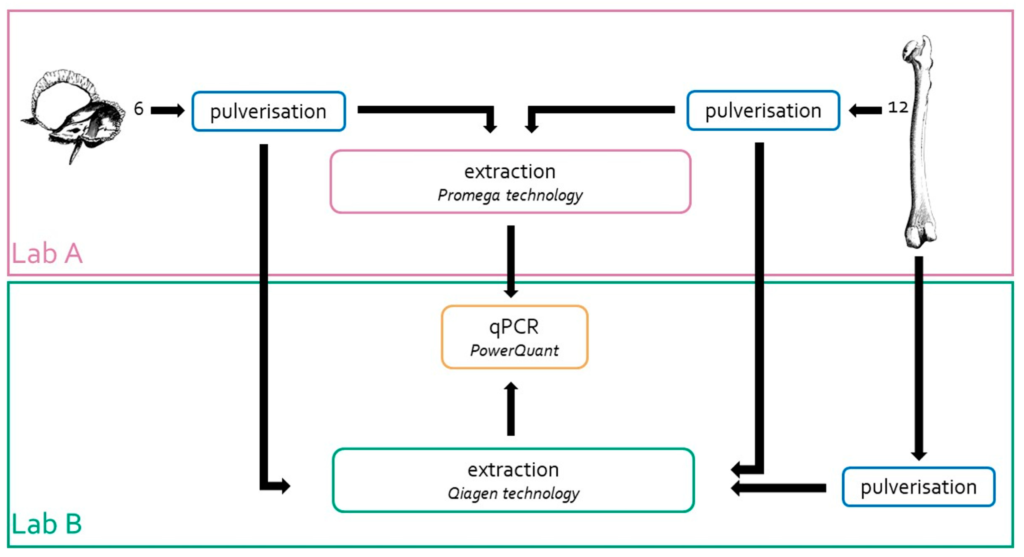
After extraction, computers assemble millions of DNA fragments like a puzzle. Researchers then compare the ancient genome to modern populations worldwide.
This scientific field, known as paleogenetics, has advanced rapidly in the past 15 years. High-speed sequencing technology now allows scientists to read genomes that once seemed impossible to recover.
Who Were the Neanderthals?
Neanderthals lived across Europe and western Asia for roughly 400,000 years before modern humans arrived.
They were physically adapted to Ice Age climates:
- shorter, stronger bodies
- broad noses for warming cold air
- powerful arms for close-range hunting
Despite outdated stereotypes, archaeologists now know they were intelligent.
Evidence shows Neanderthals:
- made specialized stone tools
- hunted cooperatively
- cared for injured individuals
- buried their dead
Some sites suggest they used pigments and possibly body decoration, indicating symbolic behavior.
Why Neanderthal DNA Still Matters
Modern humans outside Africa carry inherited Neanderthal genes. Those genes are not just historical markers; they still affect biology.
Studies show Neanderthal DNA influences:
- immune responses
- skin pigmentation
- hair characteristics
- sensitivity to cold climates
Some variants affect health today. Certain inherited genes are associated with allergies and autoimmune disorders, while others improve resistance to infections.
Scientists believe these genetic traits helped early humans survive unfamiliar environments after migrating from Africa into colder regions.
Social Interaction: Beyond Interbreeding
Genetic evidence alone does not describe how daily life looked, but archaeologists offer clues.
Researchers suspect the groups may have:
- traded resources
- shared hunting knowledge
- copied tool-making methods
The presence of similar stone tools suggests cultural exchange. That implies communication, at least at a basic level.
Some anthropologists propose that Neanderthals and Humans Interacted in small mixed communities rather than hostile encounters alone.
Why One Direction of Interbreeding Was Common
Scientists still debate why most successful pairings were Neanderthal males and human females.
Possible explanations include:
Population Size Differences
Modern humans migrated in small groups into Neanderthal territories. Human women may have joined larger Neanderthal communities.
Mobility Patterns
Male Neanderthals may have ranged farther while hunting, increasing encounters with human groups.
Genetic Compatibility
Some gene combinations may have been more viable for survival, meaning certain children survived better than others.
Researchers caution that social behavior cannot be directly proven, but genetics strongly indicates repeated family formation.
Rethinking Human Evolution
The findings reshape one of science’s biggest questions: what defines a species?
Rather than a straight evolutionary line, scientists now describe a branching network of related human groups including Neanderthals, Denisovans, and modern humans.
This model is sometimes called the braided stream of evolution.
It suggests modern humans are not purely descended from one population but formed through mixing among closely related groups.
Cultural and Scientific Impact
The discovery changes more than biology. It affects anthropology, archaeology, and even philosophy.
For more than a century, Neanderthals were portrayed as primitive cavemen. Modern evidence paints a different image: a human relative capable of social bonds and family life.
Public interest in prehistoric ancestry has grown rapidly with consumer DNA tests. Many people are now learning they personally carry Neanderthal ancestry.
Scientists say this connection helps people understand human diversity and shared origins.
What Researchers Still Do Not Know
Many unanswered questions remain:
- Did humans and Neanderthals share language?
- Were mixed children accepted socially?
- Did culture pass between groups or only genes?
New discoveries in Central Asia and the Middle East may provide answers. Researchers expect future fossil finds to fill the gaps.
Current Scientific Consensus
Today, most researchers agree Neanderthals were not evolutionary failures. Instead, they contributed directly to modern humanity.
Modern people are the result of interaction among multiple ancient populations, not isolation.
The story of human origins is now understood as one of connection rather than replacement.
Closing
New fossil discoveries and improved sequencing technologies are expected to refine the timeline of contact. As scientists analyze additional genomes, they anticipate even clearer evidence of shared ancestry. The emerging picture suggests our species’ past is not separate from Neanderthals but deeply connected to them.
FAQs About Neanderthals and Humans Interacted More Closely Than Thought
Did Neanderthals and modern humans live at the same time?
Yes. They coexisted in Eurasia for several thousand years.
Do people today carry Neanderthal DNA?
Most populations outside Africa carry a small percentage.
Why is this discovery important?
It shows sustained interaction and family formation, not brief encounters.