

$1,000 Payments Linked to Trump Accounts: IRS Releases New Guidance on $1,000 Payments Linked to Trump Accounts has quickly become one of the most widely discussed financial policy updates in the United States. Families, economists, tax professionals, and financial advisors are all paying attention because the program could affect how millions of American children begin their financial journey.
In simple terms, the Internal Revenue Service (IRS) and the U.S. Department of the Treasury recently released detailed rules explaining how a new federal initiative will work. The initiative allows the government to deposit $1,000 into special investment accounts created for eligible newborn children. These accounts—often referred to as Trump Accounts—are designed to give children a small financial head start that can grow over time through long-term investments. Unlike stimulus checks that go directly to adults, these funds are locked into investment accounts intended to grow for years. Think of it like planting a small financial seed for a child at birth that could potentially grow into a meaningful nest egg by the time they reach adulthood.
Table of Contents
$1,000 Payments Linked to Trump Accounts
The IRS guidance on $1,000 payments linked to Trump Accounts represents a new and innovative approach to helping American families build wealth for future generations. By providing a small investment at birth, the government hopes to encourage long-term savings habits and financial awareness across the country. While the program is still in its early stages, it has the potential to reshape how families think about investing for their children. Whether the accounts grow into modest savings or significant investment portfolios will largely depend on participation, additional contributions, and long-term market performance. For parents, the program offers a unique opportunity to start building a financial foundation for their children from day one.
| Topic | Details |
|---|---|
| Program Name | Trump Accounts (Child Investment Pilot Program) |
| Government Contribution | $1,000 one-time federal deposit |
| Eligible Children | U.S. citizens born between 2025 and 2028 |
| Purpose | Build long-term investment savings from birth |
| Contribution Limits | Families may add up to $5,000 annually |
| Investment Type | Low-cost diversified index funds |
| Administered By | IRS and U.S. Treasury Department |
| Official Website | https://www.irs.gov |
Understanding the New IRS Guidance On $1,000 Payments Linked to Trump Accounts
The IRS guidance released recently focuses on how families, financial institutions, and employers should handle these new accounts.
The government program was created to help encourage long-term investment and financial literacy in the United States. According to official guidance, once a child qualifies and an account is opened, the federal government deposits $1,000 directly into the investment account.
The IRS guidance explains several critical areas including:
- Eligibility requirements
- How accounts must be established
- Which financial institutions can administer the accounts
- What types of investments are allowed
- How families can contribute additional funds
Financial advisors say the program represents a new approach to encouraging long-term wealth creation in the United States.
What Are Trump Accounts?
Trump Accounts are special investment accounts designed specifically for children. The accounts function somewhat similarly to other tax-advantaged savings vehicles but are focused on long-term investment growth starting at birth.
Here’s the basic concept.
A parent or guardian opens an account for a newborn child through an approved financial institution. After verification, the federal government deposits $1,000 into that account.
That money is then invested, usually in broad stock market index funds.
Index funds are commonly recommended by financial professionals because they provide diversification and historically steady growth over long periods.
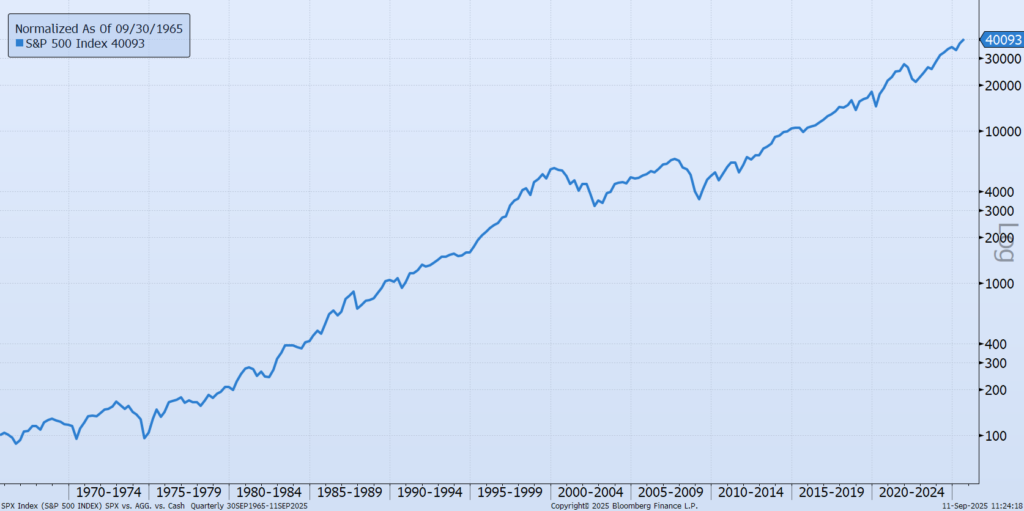
According to data from S&P Dow Jones Indices, the S&P 500 has historically delivered an average annual return of roughly 10% before inflation.
This means that even a small investment placed early in life can grow significantly through compounding.
The Power of Compound Growth
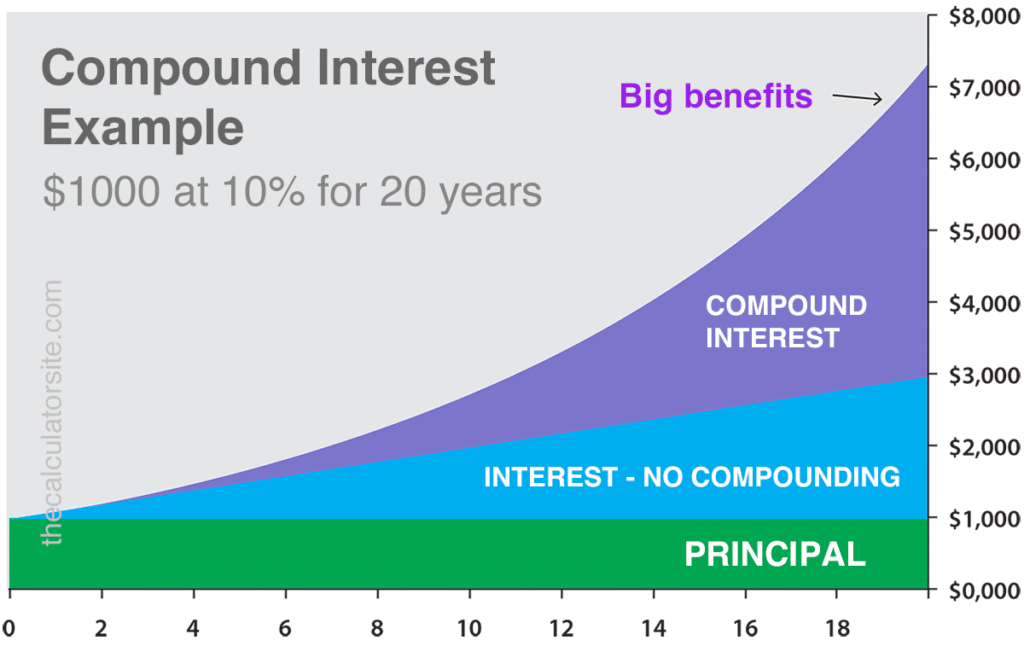
One of the main reasons economists support early investment programs is compound interest.
Compound growth means investment returns generate additional returns over time.
To illustrate, consider this example:
If a child receives a $1,000 deposit and the investment grows at an average of 7% annually:
| Age | Approximate Value |
|---|---|
| Birth | $1,000 |
| Age 10 | $1,967 |
| Age 18 | $3,387 |
| Age 30 | $7,612 |
| Age 40 | $14,974 |
This example assumes no additional contributions.
If families regularly contribute small amounts, the account balance could grow dramatically larger.
For instance, contributing $50 per month starting at birth could potentially grow to over $20,000 by age 18, depending on investment performance.
Who Qualifies for the $1,000 Payments Linked to Trump Accounts?
The IRS has outlined several eligibility requirements for the program.
To qualify for the government deposit, a child must:
- Be born between January 1, 2025 and December 31, 2028
- Be a United States citizen
- Have a valid Social Security number
- Have an officially registered Trump Account opened by a parent or guardian
Once these conditions are met, the Treasury Department will deposit the $1,000 seed investment into the account.
Officials have described the initiative as a pilot program, meaning policymakers will evaluate its success before deciding whether to expand or modify it in the future.
How Parents Can Open a Trump Account?
Opening a Trump Account is expected to be similar to opening other financial accounts.
Below is a simplified step-by-step overview of how families may participate.
Step 1: Select an Approved Financial Institution
Parents will open accounts through approved providers such as:
- banks
- brokerage firms
- investment companies
Large investment firms may offer these accounts as part of their existing savings and investment products.
Step 2: Provide Required Identification
To open the account, parents will likely need to provide:
- the child’s Social Security number
- birth certificate
- parent or guardian identification
Financial institutions will verify the information before activating the account.
Step 3: Complete IRS Registration
The IRS requires official registration of the account through appropriate documentation.
Once registered, the account becomes eligible for the government deposit.
Step 4: Select Investment Allocation
Most accounts will automatically invest funds into diversified portfolios, which may include:
- U.S. stock index funds
- total market funds
- balanced investment portfolios
These investments are designed to maximize long-term growth while maintaining reasonable risk levels.
Annual Contribution Limits
One important feature of these accounts is that families can add additional money over time.
According to IRS guidance, families may contribute up to $5,000 per year to the account.
Contributions may come from:
- parents
- grandparents
- other family members
- employers offering benefits programs
This flexibility allows families to gradually build a larger investment fund for the child.
Possible Tax Advantages of $1,000 Payments Linked to Trump Accounts
Although the exact tax treatment may vary depending on future regulations, these accounts are expected to include tax-deferred investment growth.
This means:
- earnings may not be taxed annually
- taxes may apply only when funds are withdrawn
Tax-deferred growth can significantly increase long-term investment performance because money that would normally go toward taxes remains invested.
Potential Uses of the Funds
When the child eventually reaches adulthood, the funds may be used for several purposes.
These may include:
- higher education expenses
- starting a business
- purchasing a first home
- retirement savings
Providing financial resources at a young age could help many individuals achieve major life milestones earlier.
Economic Impact of the Program
Economists believe programs that encourage early investment can have broader economic benefits.
Several studies show that early savings programs increase financial participation and wealth-building among households.
Research from the Brookings Institution suggests that even small asset-building initiatives can help improve long-term economic stability for families.
Some policymakers also believe the program could help reduce the wealth gap between generations by encouraging investment habits early in life.
Potential Criticism and Policy Debate
Despite its potential benefits, the program has sparked political and economic debate.
Critics have raised several concerns.
Some argue that:
- $1,000 is not large enough to significantly impact long-term wealth
- administrative costs could increase government spending
- higher-income families may benefit more because they can afford larger contributions
Others argue the program could help normalize investment and savings culture across American households.
Policy analysts say the true impact of the program will likely depend on how many families participate and how consistently contributions are made.
Financial Planning Advice for Parents
If your child qualifies for the program, financial experts recommend taking advantage of the opportunity.
Here are several practical strategies.
Contribute Regularly
Even small contributions can make a difference.
Adding $25 to $100 per month can significantly increase the account balance over time.
Focus on Long-Term Investments
Since the account may remain invested for nearly two decades, it often makes sense to focus on low-cost diversified investments rather than short-term trading.
Avoid High Fees
Investment fees may seem small but can dramatically reduce returns over time.
Look for funds with expense ratios under 0.20% when possible.
Use the Account as a Teaching Tool
When children grow older, parents can explain how investments grow.
Teaching financial literacy early helps young adults make smarter financial decisions later.
IRS Refund Schedule 2026 — How to Estimate Your Tax Refund Date
Are Stimulus Checks Coming in 2026? How to Check IRS Payment Status
March 2026 Stimulus Claims — What’s Real About IRS Deposits, Dividends, and Refunds