
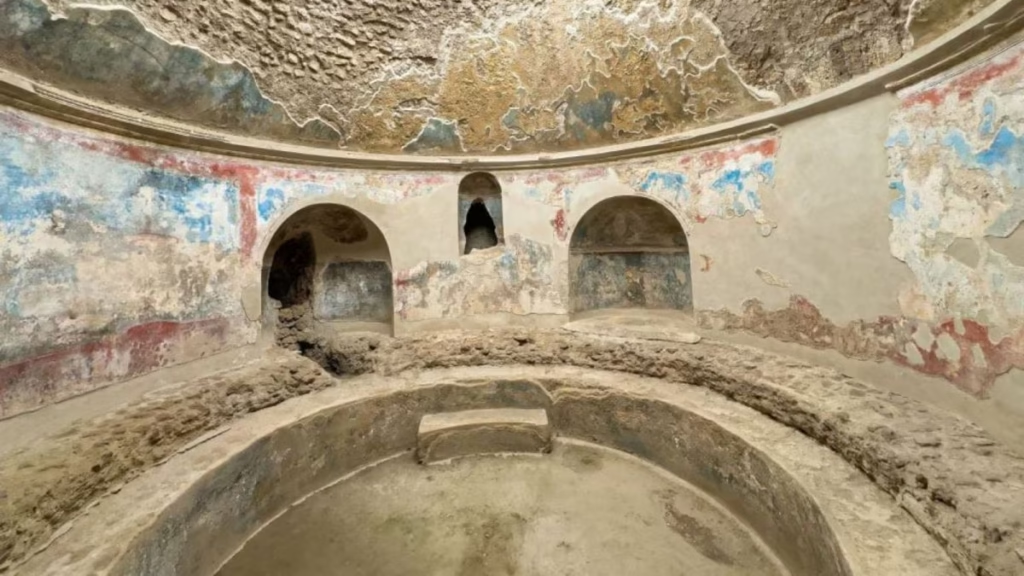
A new archaeological study examining mineral deposits inside the Roman city of Pompeii has concluded that Pompeii’s Bathing Pools often contained stagnant and contaminated water. Researchers say the findings challenge long-standing assumptions about Roman sanitation and show early bathhouses depended on polluted groundwater before aqueduct systems improved circulation in the city destroyed by Mount Vesuvius in AD 79.
Table of Contents
Pompeii’s Bathing Pools Had Low Water Quality
| Key Fact | Detail |
|---|---|
| Contaminated water | Organic residue consistent with human waste detected |
| Early supply | Mineral-rich groundwater used before aqueduct connection |
| Later improvement | Aqueduct increased water turnover in Roman public baths |
Pompeii’s Bathing Pools: What the Pompeii Bath Study Found
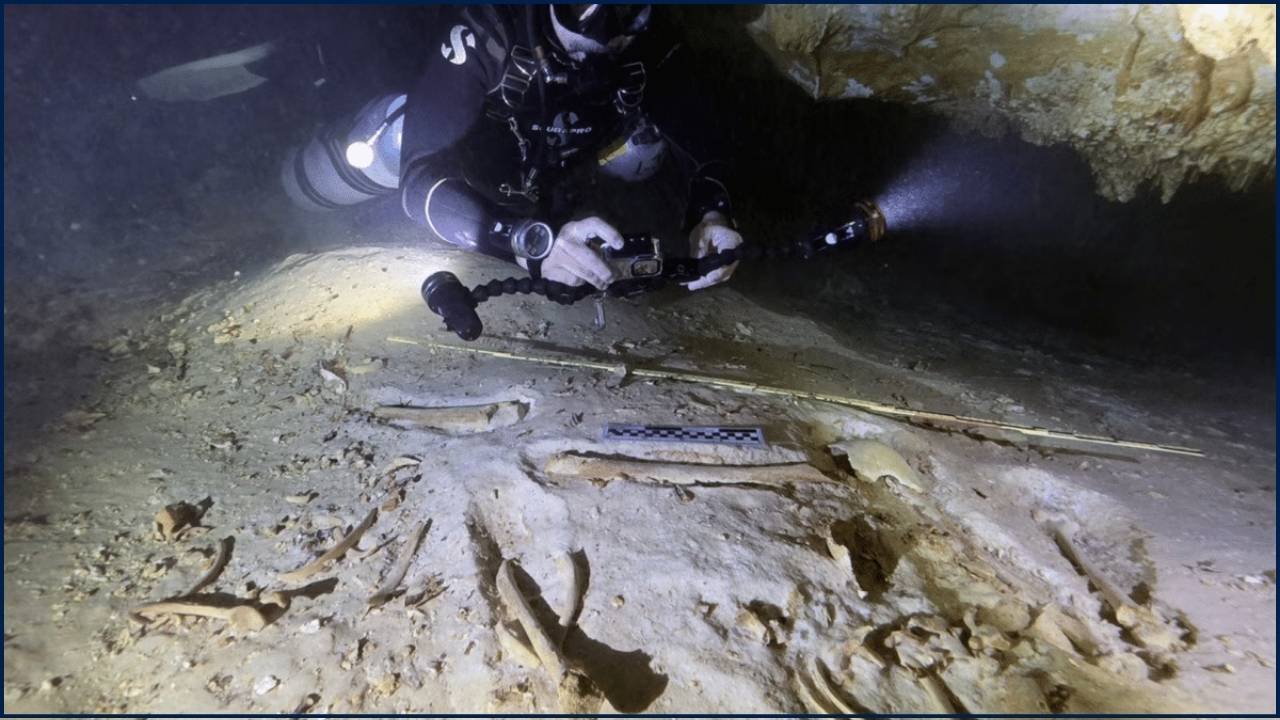
Scientists analyzed calcium carbonate scale — a hard mineral layer left behind by flowing water — inside pipes, wells, and bathing basins across Pompeii.
The research, published in the Proceedings of the National Academy of Sciences, examined chemical and isotopic markers preserved in these deposits. These layers formed over decades and effectively recorded the chemical history of the water that passed through the ancient water systems.
“This mineral crust works like a historical archive,” said study co-author Dr. Marco Spagnoli, an environmental archaeologist involved in the project. “It records what was flowing through the pipes, including contamination.”
The analysis showed early bath complexes were supplied primarily by groundwater wells. Unlike aqueduct water, groundwater stagnated more easily and contained high levels of dissolved minerals.
The findings suggest the earliest Roman public baths in Pompeii were not continuously refreshed, meaning bathers often shared reused water.
Evidence of Waste and Stagnation
Chemical signatures found inside Pompeii’s Bathing Pools indicated the accumulation of organic material linked to human use. Researchers identified biomarkers associated with sweat, oils, and biological residue.
Heated environments and heavy daily use would have accelerated bacterial growth.
Unlike modern swimming pools, Roman baths did not use disinfectants. Instead, water cleanliness depended entirely on replacement frequency.
According to the researchers, pumping groundwater required physical labor, so pools were likely changed infrequently.
“People imagine Roman baths as sanitized spas,” said Dr. Gemma Jansen, a historian of Roman sanitation. “They were actually crowded social facilities. Cleanliness was secondary to social activity.”
Visitors typically followed a sequence — exercise, oil massage, scraping the skin with a metal strigil, then soaking in pools. Ironically, much of the dirt removed from bodies entered the communal water.
Heavy Metals in the Water
The study also identified elevated concentrations of lead, copper, and zinc in the deposits.
Roman plumbing frequently used lead pipes because they were flexible and easy to shape. Corrosion inside heated systems likely released metals into the bathwater.
Historians have debated the health impact of lead exposure in ancient Rome for decades. Some scholars have suggested chronic exposure may have affected elite populations, though direct medical evidence remains limited.
Researchers emphasized their findings do not prove disease but demonstrate exposure.
How Aqueducts Changed Conditions
Pompeii was eventually connected to a regional aqueduct, dramatically transforming its water infrastructure.
Aqueducts supplied pressurized, continuously flowing water, allowing pools to be drained and refilled more frequently. Later mineral deposits show improved water turnover.
Roman engineers designed distribution tanks called castella aquae that directed water to fountains, houses, and Roman public baths.
However, aqueduct water still flowed through lead distribution pipes.
Experts say this demonstrates a recurring historical theme: technological improvements can solve one public health issue while creating another.
The Role of Baths in Roman Society
Despite imperfect hygiene, Roman public baths were among the most important civic institutions in urban life.
Entry was inexpensive, and many facilities opened daily. Wealthy citizens, merchants, laborers, and even enslaved people could attend, often at different hours.
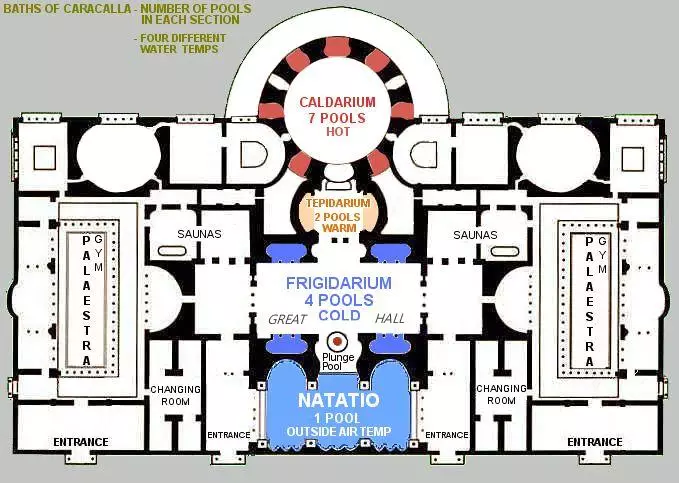
Bath complexes offered more than washing:
- libraries
- gardens
- exercise courtyards
- massage rooms
- heated steam chambers
“Bathing was a daily routine for many residents,” said Dr. Andrew Wilson, professor of ancient history at the University of Oxford. “The baths functioned as the city’s social network.”
Business deals, political conversations, and social gatherings occurred inside these buildings. For many citizens, visiting the baths was as essential as visiting a market.

How Roman Sanitation Actually Worked
The Romans were sophisticated engineers. They built sewers, toilets, fountains, and pipelines across their empire.
Pompeii had public latrines connected to drainage channels that carried waste out of the city. Running water flushed these systems.
However, Roman sanitation focused more on removing visible waste than preventing microscopic disease. Germ theory would not exist for another 1,800 years.
Many public latrines used a shared cleaning sponge attached to a stick, rinsed in communal water. Modern historians note this practice could spread infection, although evidence is indirect.
The new study suggests the same limitation applied to Pompeii’s Bathing Pools: advanced infrastructure without modern microbiological understanding.
Why People Still Felt Clean
Romans used oils rather than soap. After sweating in heated rooms, bathers applied olive oil to their skin and scraped it off with a curved metal tool called a strigil.
This process removed dirt physically rather than chemically.
Because the method visibly cleaned the body, people likely perceived the baths as hygienic even if the water itself was contaminated.
In Roman culture, cleanliness was judged by appearance and smell, not bacteria.
Broader Historical Implications
The research challenges a popular image of ancient Rome as a society with near-modern public health standards.
Instead, historians now see a more complex reality: impressive engineering coexisting with limited understanding of disease transmission.
The findings also highlight a key lesson relevant today. Public health depends not only on infrastructure but also on scientific knowledge.
Urban planners in modern cities still study ancient water systems to understand maintenance, scaling, and contamination risks.
“Roman engineering was remarkable,” Wilson said. “But the study reminds us that infrastructure alone does not guarantee safety.”
What Happens Next
Researchers plan to examine mineral deposits from other Roman cities, including Ostia and Herculaneum, to determine whether Pompeii was typical.
If similar contamination patterns appear elsewhere, historians may need to revise broader interpretations of Roman sanitation and urban health.
Spagnoli said the research could also assist modern water management studies. Mineral buildup still affects pipelines and reservoirs today.
“Ancient deposits help us understand long-term behavior of water systems,” he said.
For now, Pompeii’s Bathing Pools offer a clearer, more human picture of Roman life — a society advanced in engineering but limited by the scientific knowledge of its time.
FAQs About Pompeii’s Bathing Pools Had Low Water Quality
Were Roman baths dangerous?
There is no direct proof they caused widespread illness. However, the study confirms bathwater contamination existed.
Did Romans know about bacteria?
No. Germ theory was developed in the 19th century, so people judged cleanliness visually.
Why were baths popular?
They served as recreation centers, gyms, and meeting places, not just washing facilities.
Did aqueducts solve the problem?
They improved water circulation but did not eliminate heavy metal exposure from pipes.