
Proposed 2026 PAN Rule Changes: The Indian government is shaking things up — again — with a fresh set of tax reforms under the spotlight. The Proposed 2026 PAN Rule Changes are part of a broader overhaul linked to the rollout of the Income Tax Act, 2025, scheduled to take effect from April 1, 2026. And if you’re someone who makes large purchases, buys property, handles cash often, or runs a business — these rules affect you.
This time, it’s not about changing tax slabs or introducing new forms. It’s about who needs to quote their PAN, when, and why — and the changes are both practical and strategic. By raising thresholds and simplifying conditions, the government is trying to ease the burden on small taxpayers while tightening its grip on high-value transactions and potential tax evasion. Let’s walk you through everything you need to know — with examples, expert commentary, and real-life applications that make the rules crystal clear, even if you’ve never filed a return before.
Table of Contents
Proposed 2026 PAN Rule Changes
The Proposed 2026 PAN Rule Changes are more than just bureaucratic adjustments — they reflect a smarter tax ecosystem. These rules aim to make life easier for small taxpayers while putting the magnifying glass on large or suspicious financial activity. From relaxed limits for restaurants and property to sharper compliance in insurance and real estate, understanding the new rules now will help you stay compliant and avoid future headaches.
| Area | Old PAN Rule | Proposed 2026 Rule | Impact on Taxpayers |
|---|---|---|---|
| Cash Deposits/Withdrawals | PAN required for ₹50,000+ daily | PAN only needed if annual total crosses ₹10 lakh | Fewer daily compliance checks |
| Property Transactions | PAN for deals over ₹10 lakh | PAN mandatory only above ₹20 lakh | Reduced burden on low-value buyers/sellers |
| Motor Vehicle Purchases | PAN for any vehicle | Required only for purchases above ₹5 lakh | Two-wheelers now included |
| Hotel & Restaurant Bills | PAN if amount > ₹50,000 | Raised to ₹1,00,000 | More relaxed rules for frequent travelers |
| Insurance Policies | PAN for life insurance above ₹50,000/year | Required for all account-based relationships | Increased compliance for policyholders |
Why the Proposed 2026 PAN Rule Changes Matter?
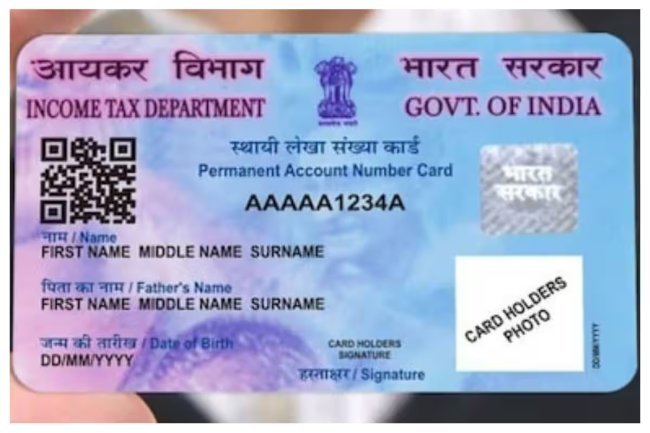
The Permanent Account Number (PAN) is a 10-digit alphanumeric identifier issued by the Income Tax Department of India. It’s basically your financial fingerprint. Whenever you do something big with your money — buy land, deposit lots of cash, or purchase an expensive car — the government wants a record. That’s where PAN comes in.
The draft 2026 rules are part of a larger effort to:
- Curb tax evasion
- Make reporting more realistic
- Shift compliance away from common people and focus on high-risk profiles
These changes aim to balance ease of doing business with financial transparency.
Understanding Each Change — In Detail
1. Cash Transactions: From ₹50,000 Daily to ₹10 Lakh Annually
Let’s say you’re a trader or small business owner who deposits ₹40,000–₹50,000 in cash every few days. Previously, even a single deposit over ₹50,000 would trigger a PAN reporting requirement.
Under the proposed rule, you can make multiple deposits — even in cash — as long as your annual total stays under ₹10 lakh. That’s a big deal for those who work primarily in cash-heavy sectors like:
- Agriculture
- Retail shops
- Street vendors
- Local markets
Scenario:
If your total deposits across the year are ₹9,50,000 — you’re good. But if you go over ₹10 lakh cumulatively, banks must collect your PAN.
Tip: Keep a record of your deposits through the year. Some banking apps now provide this tracking.
2. Real Estate Transactions: ₹10 Lakh Threshold Becomes ₹20 Lakh
Whether you’re buying a small plot in your hometown or gifting land to a family member, PAN reporting was earlier required for any transaction over ₹10 lakh.
With the new threshold raised to ₹20 lakh, this is a relief for:
- First-time home buyers in rural/semi-urban areas
- Those involved in property donations or partial inheritance
- Small builders dealing with low-budget flats or plots
But don’t get too comfy — this doesn’t impact TDS on property purchases, which still applies for deals over ₹50 lakh under Section 194-IA.
Important: Even if PAN isn’t required, stamp duty and registration still apply based on circle rate or market value.
3. Vehicles: PAN Only for ₹5 Lakh+ and Two-Wheelers Now Included
The old rules were vague, often leaving buyers unsure whether their PAN was needed when purchasing a motorcycle or a small car.
The new rule makes it crystal clear — if your vehicle purchase costs more than ₹5 lakh, you’ve got to quote PAN. This includes:
- Cars
- High-end scooters
- Electric bikes
- Used vehicles (if the invoice value crosses ₹5 lakh)
Example:
Buying a Yamaha R15? You’re good. Buying a Harley Davidson at ₹6.2 lakh? PAN is mandatory.
For used car dealerships: Prepare to collect PAN even if the buyer pays in full cash.
4. Hospitality & Events: ₹1 Lakh Limit for Hotels and Restaurants
Throwing a wedding party? Staying at the Taj for your anniversary? The PAN rule just got looser for you.
Before: Spending ₹50,000 on food or a banquet required PAN disclosure.
Now: You can go up to ₹1 lakh before you need to provide that PAN card.
This helps:
- Event planners handling multiple clients
- Frequent business travelers staying at premium hotels
- Families hosting small functions at resorts or hotels
Pro tip: For multiple-day stays, the total bill (not per night) will count.
5. Insurance: Not Just Premiums Anymore
Earlier, PAN was mandatory only if your life insurance premium exceeded ₹50,000 in a financial year.
The 2026 rule goes deeper: if you hold any policy — whether it’s life, health, or general insurance — and you’ve got an account-based relationship (think: recurring premium plans, bundled services), you’ll likely need to quote your PAN.
Why?
This allows the Income Tax Department to cross-link policyholders with investment potential — helping detect hidden assets or undeclared wealth.
Even if your premium is ₹12,000 a year, if it’s on auto-debit or part of a ULIP plan — your PAN might be collected.
Proposed 2026 PAN Rule Changes Comparison Table: Before and After
| Transaction Type | PAN Requirement (Old Rule) | PAN Requirement (Proposed 2026) |
|---|---|---|
| Cash Deposit/Withdrawal | ₹50,000 (per day) | ₹10 lakh (annual total) |
| Property Deal | Above ₹10 lakh | Above ₹20 lakh |
| Vehicle Purchase | Any motor vehicle | Vehicles priced above ₹5 lakh |
| Hotel Bill | Above ₹50,000 | Above ₹1 lakh |
| Insurance | Premiums above ₹50,000/year | Any account-based policyholder |
Real-World Example: Ramesh’s Story
Ramesh, a 31-year-old teacher in Bhopal, recently sold a plot inherited from his grandfather for ₹18 lakh. Under old rules, the buyer would’ve had to quote PAN, and the deal would’ve been logged with the tax department.
Under the 2026 PAN rules, the threshold is ₹20 lakh. Ramesh’s deal might now fly under the radar — helping him avoid unnecessary scrutiny, as he plans to reinvest the amount into another piece of land.
That’s how these changes reduce stress on ordinary middle-class citizens while keeping high-value transactions in check.
What Should You Do Now?
If you’re reading this in early 2026, here’s your step-by-step action plan:
- Stay Updated: Keep an eye on the final version of the rules by March 2026.
- Official portal: incometaxindia.gov.in
- Evaluate Your Yearly Cash Flow: If you’re close to the ₹10 lakh cash threshold, consider using digital payments to avoid unnecessary PAN quotes.
- Prepare for Major Transactions: Buying property, a car, or insurance? Get your PAN and Aadhaar aligned and ready.
- Review with Your CA or Tax Consultant: Especially if you’re into multiple real estate transactions or business expenditures.