
Rarest Ancient Ports Ever Found in Turkey: a well-preserved ancient river port buried deep beneath the modern-day city of Trabzon, located on the Black Sea coast. This exceptional discovery is rewriting the historical record of ancient trade and urban infrastructure, marking the site as one of only three ancient river ports currently known to archaeologists around the world. This isn’t just another old ruin. It’s a portal to a sophisticated trade system where goods, cultures, and empires connected in ways we’re only beginning to understand.
Table of Contents
Rarest Ancient Ports Ever Found in Turkey
The discovery of the ancient river port in Trabzon, Turkey, is a landmark event in archaeology. Spanning over 2,000 years of continuous use by four major civilizations, this site offers insight into ancient trade, engineering, urban planning, and cultural resilience. This isn’t just a ruin — it’s a living piece of history that speaks to the power of connection. In an age of global networks and smart cities, the lessons from ancient Trabzon are more relevant than ever.
| Feature | Details |
|---|---|
| Location | Pazarkapı, Trabzon, Turkey |
| Type | Inland ancient river port |
| Discovered at Depth | 6–8 meters below ground level |
| Period | 1st century BCE to modern era |
| Civilizations | Roman, Byzantine, Ottoman, Early Turkish Republic |
| Dimensions | 135-meter-long quay wall, 2 meters thick |
| Unique Status | One of only three ancient river ports worldwide |
| Artifacts Found | Crimean oil lamp, amphorae, Byzantine ceramics |
| Official Source | ArkeoNews |
Where Is Trabzon and Why This Rarest Ancient Ports Ever Found in Turkey Discovery Matters
Trabzon — ancient Trapezus — lies along the northeast coast of modern-day Turkey, hugging the Black Sea with the Pontic Mountains rising inland. Its geography made it an ideal junction between Europe, the Caucasus, Central Asia, and Mesopotamia, and it was a key city along the famed Silk Road.
Modern-day Trabzon is still a port city, but most of its ancient maritime legacy has remained hidden — until now.
The discovery of this river port in the Pazarkapı district is shaking up long-held assumptions. While many ancient coastal cities had ports, this is an inland harbor — connected to the sea via the Kuzgundere Stream, which fed into the Black Sea.
This is what makes the find so rare and vital: it demonstrates the existence of engineered river trade networks supporting international commerce as early as 2,000 years ago.
The Discovery: How It Was Found and What Was Unearthed
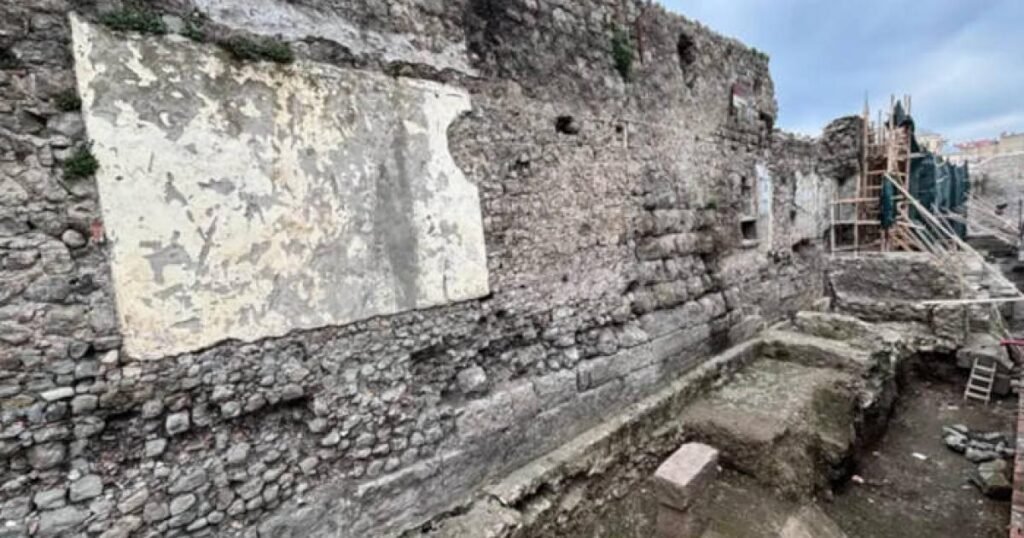
The excavation began in earnest in 2024 under the supervision of Prof. Dr. Vedat Keleş from Ondokuz Mayıs University. As part of planned restoration and urban development, workers uncovered ancient stonework buried beneath several meters of sediment.
What they found surprised everyone.
- A 135-meter-long quay wall made from ashlar stone blocks
- A structural thickness of 2 meters, indicating heavy-duty usage
- Two gates: a round-arched Roman gate and an earlier rectangular one
- Foundations of trade buildings — likely warehouses or shops
- Remnants of drainage systems, suggesting flood control planning
This layout reveals a complex infrastructure — not just a dock, but a logistics zone. Goods would come in by small riverboats and be transferred to ox carts or larger vessels for extended journeys.
According to the archaeologists, this configuration suggests urban design principles comparable to those in major Roman ports like Ostia, near Rome.
The Artifacts: Clues to Ancient Trade
Among the most exciting finds were:
- A terracotta oil lamp from Crimea — signaling Black Sea trade connections
- Byzantine-period ceramics made from regional clay
- Amphora fragments used to store olive oil, wine, and grain
- Daily-use items like fishing weights, ceramic dishes, and coins
These objects tell a story of a cosmopolitan city that was part of a multi-directional trade network connecting:
- The Mediterranean and Aegean seas
- Caucasus and Crimea
- Inland Anatolia and Persia
It confirms that Trabzon was not isolated but instead was a thriving commercial and cultural hub.
What Is a River Port and Why Are These Rarest Ancient Ports Ever Found in Turkey So Rare?
Unlike seaports built along coastlines, river ports require intricate engineering. They’re built to serve inland waterways, usually rivers or large streams. This involves:
- Canalization to manage water flow
- Docks built to suit smaller, shallow-draft boats
- Transfer zones to shift cargo to carts or larger sea vessels
River ports needed to withstand floods, erosion, and frequent use. Because of this, they are far less commonly preserved than stone-built sea harbors.
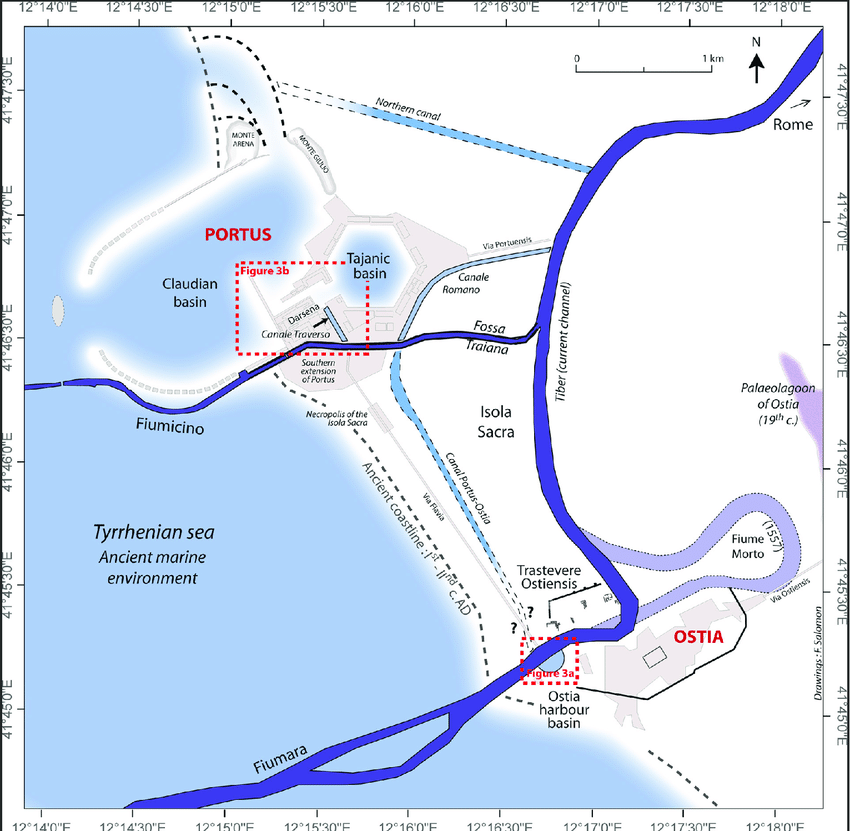
To date, only two other ancient river ports of similar structure are confirmed:
- Ostia Antica (Rome’s river port on the Tiber)
- Portus (also near the Tiber River)
This makes Trabzon’s port only the third known river port from the ancient world — and arguably the most continuously used, with layers from four different historical periods.
How the Port Was Used Across 2,000+ Years?
One of the most fascinating aspects is the multi-era use of the site:
- Roman Period (1st century BCE – 3rd century CE)
The original port construction likely dates to this period, based on building style and materials. It was used for Roman military logistics and trade. - Byzantine Period (4th – 15th century)
The port was expanded or restored during Byzantine rule. Ceramics from this period suggest steady use for trade and possibly defense. - Ottoman Era (15th – 20th century)
Ottomans converted many of the structures for new uses — possibly warehouses or municipal storage — using local brick and stone materials. - Early Turkish Republic (1923 onward)
Remarkably, even into the early 20th century, the port area was active, though largely unrecognized as a historical site.
Expert Commentary: Why This Changes the Game
Prof. Keleş, who led the excavation, stated:
“This discovery is one of the most significant archaeological breakthroughs in recent Turkish history. It illustrates not just how advanced Roman engineering was, but how strategically vital Trabzon remained through every era.”
Another archaeologist, Yaşar Selçuk Şener, focused on preservation:
“Restoration work must respect the original materials. Modern cement repairs had to be reversed — we’re now using hydraulic lime, a traditional binding material that protects the ancient stones.”
Restoration and Preservation Efforts
The site is being restored using traditional building methods. This includes:
- Hydraulic lime injections to seal cracks
- Removal of damaging modern cement
- Adding protective caps to safeguard against water erosion
- Plans for open-air display zones for future tourism
Conservationists are working to ensure the site remains accessible while protecting its original integrity.
The Trabzon Municipality and Turkey’s Ministry of Culture and Tourism are supporting the project, with potential UNESCO recognition on the horizon.
Why Rarest Ancient Ports Ever Found in Turkey Matters Today??
This find isn’t just academic — it holds relevance for:
- Urban historians: Offers insight into ancient city planning
- Civil engineers: Reveals advanced water management
- Tourism experts: Potential boost for cultural heritage tourism
- Educators: Ideal for experiential learning in archaeology, history, geography
It’s also a point of pride for Turkey, emphasizing its role as a center of ancient civilization.
Archaeologists Identify the Oldest Poisoned Arrows Ever Found, Dated 60,000 Years
AI Images of Neanderthals Are Popular, but Archaeologists Say They Miss Key Details
Could One Skull Disprove Everything We Thought About Human Origins?
The Bigger Picture: A Cultural and Economic Opportunity
The uncovering of this river port is more than a historical event. It’s an opportunity to:
- Educate future generations
- Boost local economies through heritage tourism
- Preserve Turkey’s identity as a crossroads of civilizations
As cultural tourism grows worldwide, sites like this are priceless assets. They offer travelers and scholars a direct experience with history — not just through books, but by walking through it.