
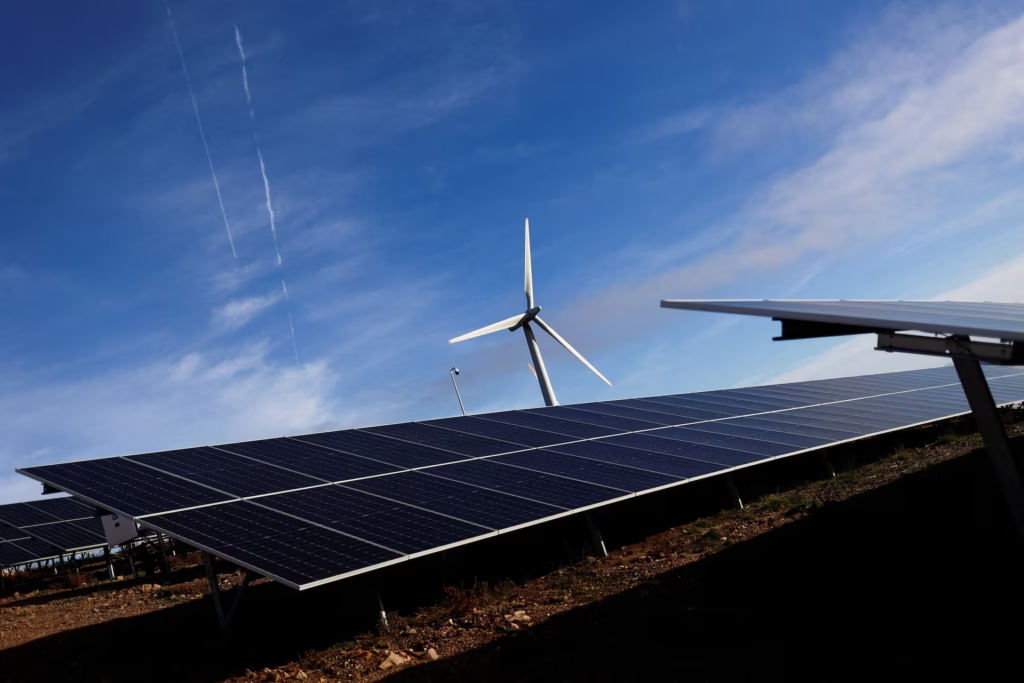
Portugal’s unexpected breakthrough in Renewable Energy’s Storage is drawing international attention after the country began operating hybrid solar-hydropower plants that store electricity without batteries. The system, launched in 2025, uses daytime solar energy to pump water uphill and generate power at night. Officials say the model improves grid stability, lowers fossil-fuel dependence, and may help countries accelerate the global energy transition.
Table of Contents
Renewable Energy’s Storage Problem Without Batteries
| Key Fact | Detail / Statistic |
|---|---|
| Hybrid renewable facility | Solar panels and hydro turbines operate as one coordinated plant |
| Solar capacity | Approximately 48 MW installed at Pracana |
| Electricity supply | Power for roughly 50,000 homes |
Portugal’s Unexpected Breakthrough Solves Renewable Energy’s Storage
Portugal’s electricity system is being closely monitored by policymakers because it addresses one of renewable power’s most persistent problems: how to store electricity when the sun is not shining and wind speeds fall.
Electric grids must continuously balance supply and demand. Traditional fossil-fuel plants can increase output instantly. Renewable energy cannot always do so.
For decades, the absence of reliable long-duration storage forced grid operators to keep gas plants running as backup.
Portugal’s solution integrates solar generation directly with dams.
“This is not a pilot project,” said Miguel Stilwell d’Andrade, chief executive of Energias de Portugal (EDP). “We are running renewable plants as a coordinated system capable of replacing conventional power stations.”
How the System Works
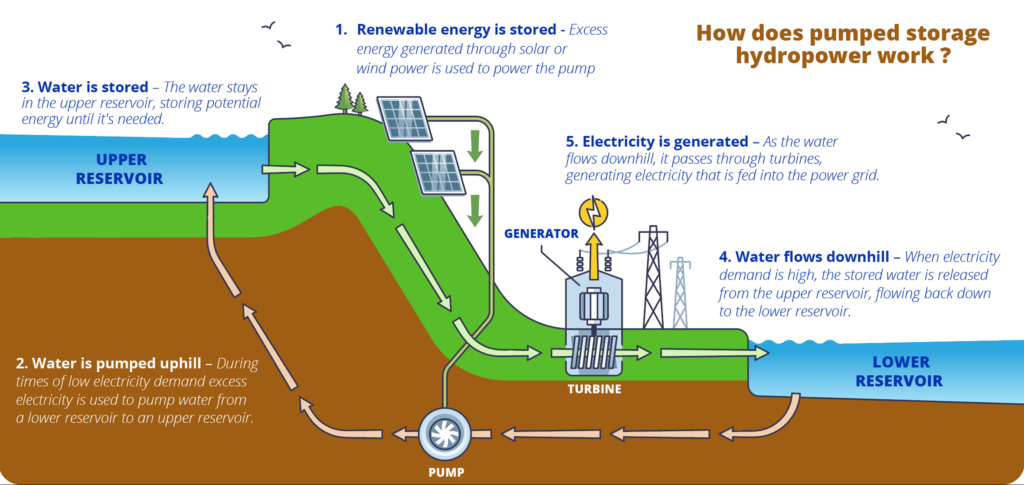
Daytime Operation
Solar panels produce electricity during daylight hours, sometimes exceeding national consumption. Instead of shutting plants down, operators use the electricity to power pumps.
Water is pushed into an upper reservoir.
Nighttime Operation
When electricity demand increases after sunset, water flows back through turbines and produces electricity.
This technique — known as pumped hydropower — stores energy as gravitational potential energy rather than chemical energy.
According to the International Hydropower Association, pumped storage accounts for over 90% of all grid-scale energy storage capacity worldwide.
Why Renewable Energy’s Storage Is Difficult
Solar panels generate electricity only when sunlight is available. Wind turbines depend on weather. Electricity, unlike oil or coal, cannot be easily stored in large quantities without specialized infrastructure.
This mismatch between production and consumption is known as intermittency.
Without storage, grids face three risks:
- Blackouts when renewable output drops
- Wasted electricity when output is excessive
- Continued fossil-fuel dependence
The problem has become central to the global energy transition.
“Renewables can produce abundant power, but the grid requires reliability,” said Fatih Birol, executive director of the International Energy Agency (IEA). “Storage is therefore the critical enabler of clean electricity systems.”
Why Batteries Are Not Always Ideal
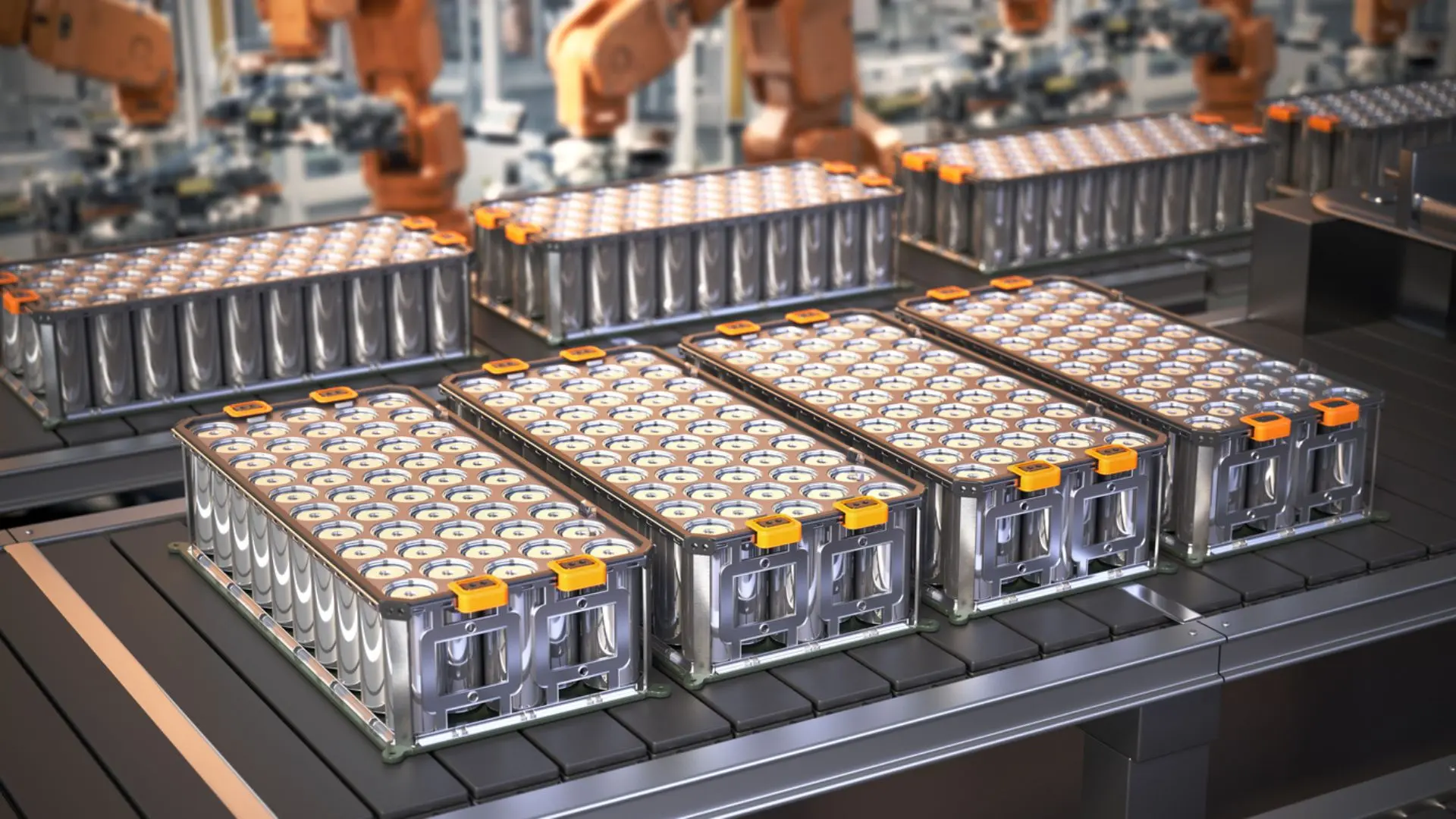
Large lithium battery installations are expanding quickly, especially in the United States, China, and Australia. However, energy researchers say they are best suited for short-duration backup lasting several hours.
Power systems sometimes require backup for days during cloudy or windless periods.
Batteries also face challenges:
- limited lifespan (often 10–15 years)
- high cost for multi-day storage
- dependence on critical minerals
- recycling complexity
“Pumped hydro remains the most economical long-duration storage technology available today,” said Dr. Paulina Jaramillo, an energy systems scientist at Carnegie Mellon University.
In contrast, dams can operate for many decades. Some hydropower facilities worldwide have remained active for over 80 years.
Why Portugal Can Implement It
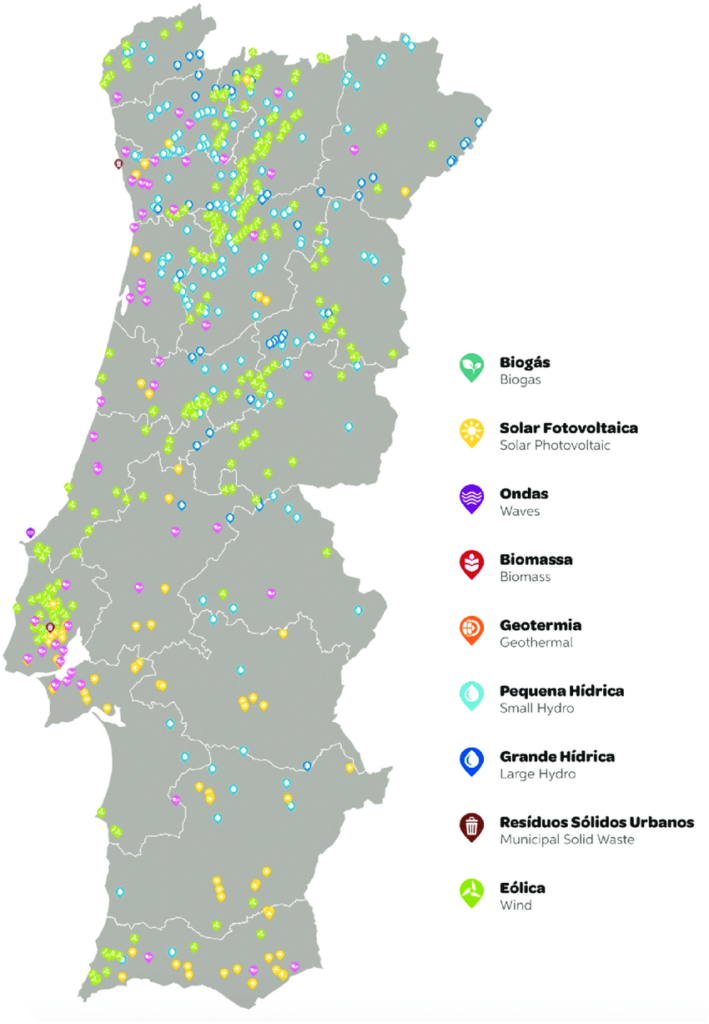
Portugal’s geography makes the model viable. The country contains mountainous terrain, multiple reservoirs, and strong solar exposure.
It also benefits from steady Atlantic wind patterns.
The Portuguese Directorate-General for Energy and Geology reports renewable sources frequently provide more than 70% of national electricity generation annually.
During several days in recent years, renewable output has supplied nearly all electricity demand.
Hybrid systems help operators maintain grid stability, reducing the need for gas-fired peaking plants.
Europe’s Broader Energy Context
Europe accelerated renewable deployment after energy shortages followed Russia’s 2022 invasion of Ukraine. Gas prices surged, forcing governments to seek domestic energy sources.
Energy security became as important as climate policy.
Countries expanded wind and solar rapidly, but storage limitations became clear.
“Europe realized renewables alone were not enough. We needed flexibility in the system,” said Kadri Simson, the European Union’s energy commissioner, in a policy address.
Portugal’s system demonstrates one possible solution.
Spain, Switzerland, and Austria are now reviewing hybrid hydro-solar plants. Norway is studying exporting hydropower storage services to neighboring countries.
Economic Impact
The economics of Renewable Energy’s Storage strongly influence adoption.
Lithium batteries are fast to install but costly for long-term storage. Dams require large upfront investment but offer lower lifetime costs.
Energy analysts say the value lies in avoided fossil-fuel imports.
Portugal historically depended on imported oil and gas. Hybrid storage reduces fuel purchases and shields consumers from price spikes.
According to European electricity market studies, stable renewable output also lowers wholesale power prices because operators rely less on expensive peak-time generation.
Environmental Considerations
Environmental organizations support renewable expansion but caution against building new dams in sensitive ecosystems.
However, Portugal’s recent projects mainly upgrade existing infrastructure rather than constructing new reservoirs.
Using existing dams reduces habitat disruption and land flooding.
Hydropower does affect river flow patterns, and regulators monitor ecological impact. Portuguese authorities require environmental assessments before each expansion.
Limits and Criticism
Experts emphasize the approach cannot solve storage challenges everywhere.
Countries without mountains or reservoirs cannot easily adopt pumped storage. Water scarcity may also limit implementation in arid regions.
Urbanized nations may lack space for large reservoirs.
Battery technology and hydrogen fuel storage may still play a role.
“Different regions will need different storage solutions,” said Dr. Mark Jacobson, a professor of civil and environmental engineering at Stanford University. “No single technology will power the entire global grid.”
Global Implications
Energy planners increasingly view hybrid renewable systems as the foundation of future electricity networks.
Instead of relying on one energy source, grids may combine:
- solar
- wind
- hydro
- storage
Portugal’s operator reports fewer curtailments — the shutdown of renewable plants due to oversupply — since deploying the system.
The model may particularly benefit countries with aging dam infrastructure.
Converting existing hydropower stations into storage facilities could expand capacity faster than building entirely new storage systems.
Technology Comparisons
Batteries
Fast response, short duration, high flexibility.
Pumped Hydropower
Large capacity, multi-day storage, long lifespan.
Hydrogen Storage
Very long duration, but currently inefficient and expensive.
Energy experts increasingly expect a mixed system combining all three.
Forward Outlook
Portugal continues expanding hybrid facilities, and European utilities are studying similar systems.
Engineers view the approach as a transitional bridge toward fully renewable grids.
“The future electricity system will depend on coordination,” Dr. Jaramillo said. “Generation, storage, and transmission must operate together.”
Portugal’s experience suggests water reservoirs — not only batteries — may become a central pillar of the global clean-energy infrastructure.
FAQs About Renewable Energy’s Storage Problem
What is Renewable Energy’s Storage?
It refers to technologies that store electricity generated from renewable sources like solar and wind for later use.
What is pumped hydropower?
A system that pumps water uphill using excess electricity and releases it later to generate power.
Is this technology new?
No. The innovation lies in integrating it directly with solar plants.
Can all countries adopt it?
Only regions with suitable terrain and reservoirs.