

Social Security benefits are a crucial source of income for millions of retirees in the United States. For many households, these monthly payments help cover essential expenses such as housing, healthcare, groceries, and daily living costs.

However, not everyone receives the same benefit amount, and the payment you receive can depend on several factors including your work history, the age at which you claim benefits, and your total lifetime earnings. Understanding how these factors affect your benefits can help you make better financial decisions before retirement.
Planning ahead can significantly increase the amount you receive from Social Security. Many people claim their benefits without fully understanding how certain choices impact their monthly payments. By learning a few key strategies, individuals can improve their Social Security income before 2026 and potentially receive higher payments for the rest of their lives.
Many workers approaching retirement want to know how they can maximize their Social Security payments. The amount you receive is not fixed; it can change depending on when you claim benefits, how long you work, and whether your earnings record is accurate. Taking the right steps before 2026 can make a noticeable difference in your monthly payments. Some strategies may increase your benefits gradually, while others can lead to a significant boost over time.
Table of Contents
Ways to Increase Your Social Security Check Before 2026
| Strategy | Key Details | Potential Benefit |
|---|---|---|
| Delay Claiming Benefits | Wait until age 70 instead of claiming early | Up to 24–32% higher monthly benefit |
| Check Earnings Record | Verify income history for errors | Correct records can increase payments |
| Work Longer | Replace lower-earning years in calculation | Higher average earnings increase benefits |
| Suspend Benefits | Pause benefits after full retirement age | Payments grow about 8% per year |
| Avoid Early Claiming | Claiming at 62 reduces benefits permanently | Avoid up to 30% reduction |
| Cost-of-Living Adjustment (COLA) | Annual increase to keep up with inflation | About 2.8% increase in 2026 |
Delay Claiming Benefits Until Age 70
One of the most effective ways to increase Social Security payments is to delay claiming benefits. Although individuals can start receiving benefits at age 62, doing so leads to permanently reduced payments. Waiting longer allows your benefits to grow through delayed retirement credits.
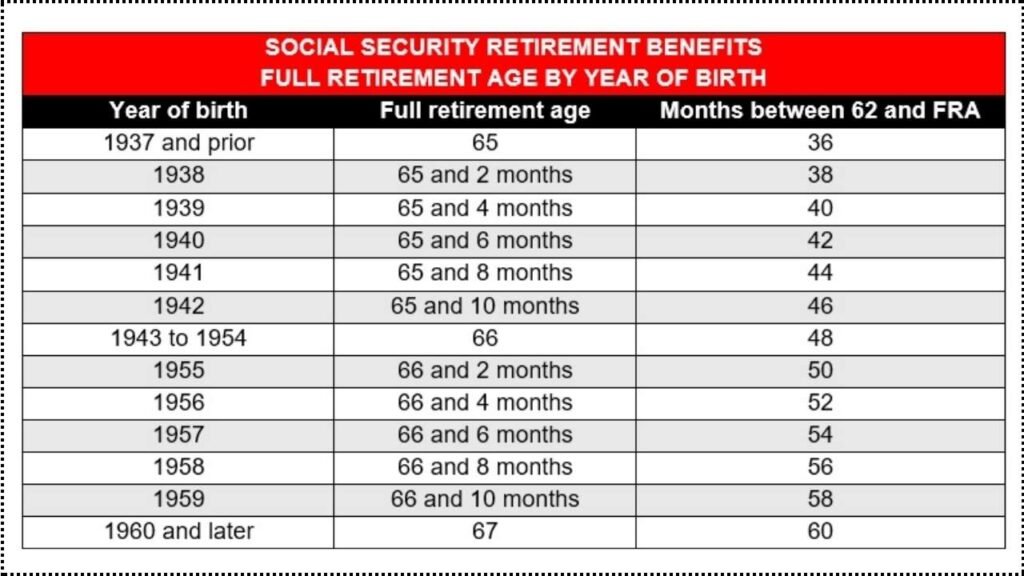
For most people, the full retirement age is around 67. Claiming benefits at that age provides 100 percent of the calculated benefit amount. However, if someone waits until age 70, their benefit can grow by roughly 8 percent per year after full retirement age.
This means delaying benefits for three years—from 67 to 70—can result in an increase of about 24 percent in monthly payments. Over the course of retirement, this increase can add up to thousands of extra dollars.
Check and Correct Your Earnings Record
Your Social Security benefits are calculated using your 35 highest-earning years. If there are errors or missing income records in your Social Security earnings history, it could reduce the amount you receive each month.
Sometimes mistakes happen when income is reported to the Social Security Administration. If a year of earnings is missing or recorded incorrectly, your benefit calculation could be lower than it should be.
To avoid this problem, individuals should regularly review their earnings record through their Social Security account. If errors are found, they can be corrected by providing tax documents or W-2 forms. Correcting these records can lead to a higher monthly benefit once retirement begins.
Work Longer or Earn More
Another important strategy for increasing Social Security payments is continuing to work for additional years. Since benefits are based on the highest 35 years of earnings, working longer can replace years with lower income in the calculation.
For example, if someone worked part-time earlier in their career but later earned higher wages, those higher-earning years can improve their average earnings used in the benefit formula. This results in a larger monthly payment.
Even individuals who have already worked for 35 years may benefit from continuing to work. If new earnings are higher than previous years included in the calculation, they can replace those lower amounts and raise the overall average.
Suspend Benefits After Full Retirement Age
People who have already started receiving Social Security benefits still have options to increase future payments. After reaching full retirement age, beneficiaries may choose to suspend their benefits.
When benefits are suspended, payments stop temporarily. However, the benefit amount continues to grow through delayed retirement credits. The increase is typically around 8 percent per year until age 70.
Once the person resumes benefits, they receive the higher payment amount. This strategy can be useful for individuals who claimed benefits early but later decide they want larger payments in the future.
Avoid Claiming Too Early
Claiming Social Security at age 62 is possible, but it results in a permanent reduction in benefits. The earlier someone claims benefits before full retirement age, the greater the reduction.
For many retirees, claiming benefits at 62 can reduce their monthly payment by as much as 30 percent compared to claiming at full retirement age. This reduction continues for the rest of the person’s life.
Because of this, financial experts often suggest waiting longer if possible. Even delaying benefits by a few years can lead to noticeably higher payments. Individuals should consider their health, savings, and financial needs before deciding when to claim benefits.
Benefit From the 2026 Cost-of-Living Adjustment (COLA)
Social Security payments are adjusted each year through the Cost-of-Living Adjustment, commonly known as COLA. This adjustment helps benefits keep pace with inflation and rising living costs.
In 2026, the COLA increase is approximately 2.8 percent. While this increase may appear small, it still provides a noticeable boost to monthly payments. For many retirees, it means an average increase of about $50 to $60 per month.
These adjustments are automatic, so beneficiaries do not need to apply for them. However, the exact increase depends on the individual’s existing benefit amount.
Final Thoughts
Maximizing Social Security benefits requires careful planning and awareness of the factors that influence monthly payments. Decisions such as when to claim benefits, how long to continue working, and ensuring accurate earnings records can all impact the amount retirees receive.
Delaying benefits until age 70 remains one of the most effective strategies for increasing payments. At the same time, reviewing earnings records and working additional years can also improve benefit calculations. For those who have already claimed benefits, suspending payments after full retirement age may offer another opportunity to increase future income.
As retirement approaches, understanding these options becomes increasingly important. By taking the right steps before 2026, individuals can strengthen their financial security and receive higher Social Security payments throughout their retirement years.