
Shilajit, a mineral-rich resin long used in Ayurvedic medicine, is drawing renewed global attention as a modern dietary supplement, fueled by interest in natural health products and longevity science. Used for more than 3,000 years across South and Central Asia, the Himalayan substance now sits at the intersection of traditional healing, emerging research, and regulatory debate.
Table of Contents
What Is Shilajit?
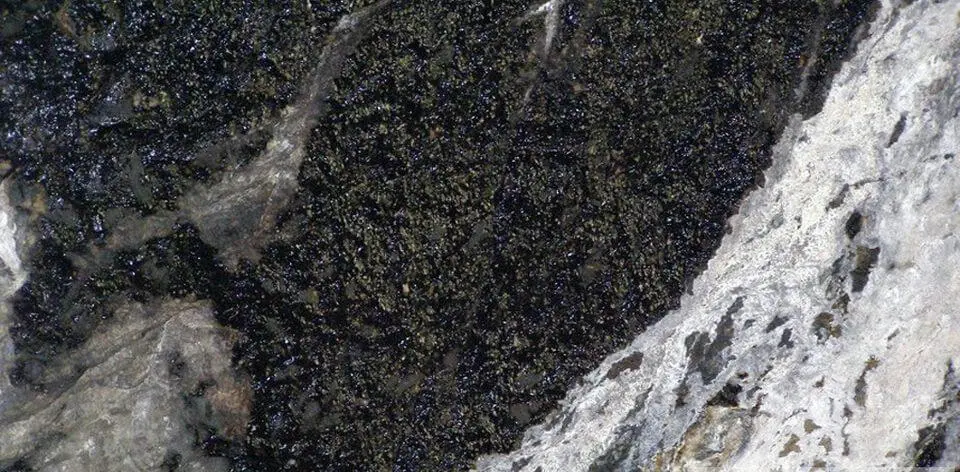
Shilajit is a dark, sticky, tar-like substance that seeps from cracks in high-altitude rocks, primarily in the Himalayas, Altai, Caucasus, and Tibetan mountain ranges. It forms over centuries as layers of plants, mosses, and microorganisms decompose under pressure, microbial action, and fluctuating temperatures.
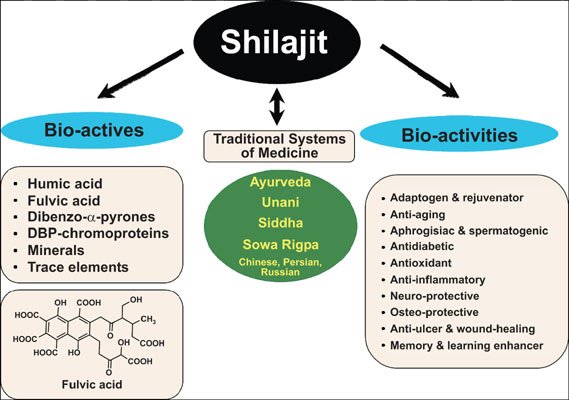
In traditional medical systems, particularly Ayurvedic medicine, Shilajit is classified as a rasayana, or rejuvenating substance. Ancient Sanskrit texts describe it as a remedy for weakness, fatigue, aging, and metabolic disorders.
“Historically, Shilajit was valued because it concentrated nutrients that were otherwise inaccessible,” said Dr. Ramesh Bhat, professor of Ayurveda at Banaras Hindu University. “Its origin in remote mountain environments contributed to its medicinal mystique.”
A Substance Rooted in Ancient Medical Traditions
References to Shilajit appear in classical Ayurvedic texts such as the Charaka Samhita and Sushruta Samhita, which date back more than two millennia. Physicians prescribed it to restore strength, support digestion, and enhance resilience against disease.
Beyond India, forms of Shilajit were used in Tibetan medicine, Persian traditional healing, and folk practices in Central Asia. Local names varied, but the substance was consistently associated with vitality and endurance.
Historical accounts describe mountain shepherds observing animals licking dark deposits from rocks and appearing unusually strong. These observations likely contributed to early human use, according to ethnobotanists.
The Chemical Composition Behind the Claims
Modern laboratory analysis shows that Shilajit contains a complex mixture of organic and inorganic compounds. Among the most studied is fulvic acid, a natural antioxidant formed during plant decomposition.
Fulvic acid is known for its ability to bind minerals and improve their bioavailability. Researchers believe this property may influence cellular metabolism and nutrient absorption.
Shilajit also contains trace minerals such as iron, zinc, magnesium, and selenium, though concentrations vary widely depending on geographic source and processing.
“There is no single standardized chemical profile for Shilajit,” said Dr. Ananya Rao, a pharmacognosy researcher at the Indian Institute of Science. “This variability makes both scientific evaluation and consumer guidance challenging.”
What Modern Science Says — and What It Does Not
Interest in Shilajit has expanded beyond traditional medicine, prompting scientific inquiry. Most existing studies are small, short-term, and focused on specific outcomes.
A frequently cited clinical trial published in the Journal of Ethnopharmacology reported improvements in sperm count and motility among healthy men who consumed purified Shilajit. Researchers emphasized that results should not be generalized.
Other studies have examined Shilajit’s potential role in reducing fatigue, supporting mitochondrial function, and aiding adaptation to high altitude. Much of this research remains preclinical or observational.
“There is biochemical plausibility, but not yet strong clinical proof,” said Dr. Michael Greger, a U.S.-based public health physician and nutrition researcher. “Traditional use should not be confused with medical endorsement.”
Shilajit in the Global Supplement Market
In recent years, Shilajit has entered wellness markets in North America, Europe, and parts of East Asia. It is sold as capsules, powders, tinctures, and purified resin, often promoted for energy, cognitive health, and hormonal balance.
Market research firms report growing consumer interest in adaptogens and natural longevity products, particularly among aging populations and fitness-focused consumers.
However, in the United States, Shilajit is regulated as a dietary supplement, meaning products are not reviewed for effectiveness before reaching consumers by the Food and Drug Administration.
Regulation and Oversight: A Patchwork Approach
Regulatory standards for Shilajit vary significantly by country. In India, Ayurvedic preparations fall under the Ministry of AYUSH, which provides guidelines for traditional medicines.
In the European Union, products containing Shilajit may face stricter scrutiny under novel food regulations, depending on formulation and claims.
Health authorities have repeatedly warned that unprocessed or poorly purified Shilajit may contain heavy metals, mycotoxins, or microbial contaminants.
“Raw Shilajit is not safe for consumption,” said Dr. Rao. “Purification and testing are critical, yet enforcement remains uneven.”
Environmental and Supply Chain Concerns
As demand rises, environmental scientists have raised concerns about overharvesting. Shilajit forms slowly, and excessive extraction could disrupt fragile mountain ecosystems.
Local collectors often work in hazardous conditions, scraping resin from cliffs at high altitudes. Economists note that much of the profit accrues downstream to exporters and supplement brands rather than local communities.
“Sustainability is becoming a real issue,” said Dr. Priya Malhotra, an environmental policy researcher. “Without regulation, the resource could be depleted.”
Marketing Claims vs. Scientific Reality
Many Shilajit products are marketed with broad health claims, including anti-aging, testosterone enhancement, and cognitive improvement. Regulators prohibit supplement companies from claiming disease treatment, but enforcement varies.
Consumer advocacy groups argue that marketing often outpaces evidence. Labels may emphasize fulvic acid content without disclosing sourcing or testing standards.
Experts recommend skepticism and consultation with healthcare professionals before use, particularly for people with chronic conditions or those taking medications.
How People Use Shilajit Today
Despite scientific uncertainty, Shilajit is commonly used for several perceived benefits:
Energy and Fatigue
Users associate Shilajit with improved stamina, often attributing effects to cellular energy support.
Cognitive and Aging Support
Interest centers on antioxidant properties, though human evidence remains limited.
Reproductive Health
Some men use Shilajit for fertility support, based on small clinical studies.
Stress and Adaptation
Traditional use frames Shilajit as a tonic that supports resilience in harsh environments.
Looking Ahead
As global interest in traditional remedies grows, Shilajit is likely to face increasing scientific and regulatory scrutiny. Researchers continue to study its biochemical properties, while regulators emphasize consumer protection.
“Shilajit illustrates a broader challenge,” said Dr. Bhat. “How do we integrate ancient knowledge with modern standards of safety and evidence?”
FAQs About Why Shilajit Has Been Used for Over 3,000 Years
Is Shilajit medically proven?
No. Evidence is limited to small studies. Large-scale clinical trials are lacking.
Is Shilajit safe?
Only purified, third-party-tested products are considered safer. Raw Shilajit can be harmful.
Can Shilajit replace medical treatment?
No. Health authorities advise against using supplements as substitutes for prescribed care.