
ALK7 Receptor Linked to Rapid Pancreatic Cancer Spread: and this discovery is stirring serious conversation across oncology circles in the United States. Researchers have uncovered compelling evidence that the ALK7 receptor plays a central role in how pancreatic cancer spreads quickly and aggressively. That rapid spread, known medically as metastasis, is the main reason this cancer remains one of the deadliest diagnoses in America. Let’s break this down in a way that’s clear enough for a 10-year-old but still solid enough for a medical professional. Pancreatic cancer doesn’t just grow in one place. It moves. And it often moves before doctors even detect it. That’s what makes it so dangerous. Scientists have long wondered how pancreatic tumors — which are surrounded by thick, fibrous tissue — still manage to spread like wildfire. The answer, according to recent research, may lie in a molecular “switch” called ALK7.
Table of Contents
ALK7 Receptor Linked to Rapid Pancreatic Cancer Spread
Study Identifies ALK7 Receptor Linked to Rapid Pancreatic Cancer Spread, and this breakthrough offers critical insight into why pancreatic cancer metastasizes so aggressively. By activating EMT and tissue-degrading enzymes, ALK7 enables cancer cells to invade blood vessels and spread early. Targeting this receptor may provide a new strategy for slowing metastasis, improving survival, and reshaping how clinicians approach one of America’s most challenging cancers.
| Topic | Details |
|---|---|
| Key Discovery | ALK7 receptor drives rapid metastasis in pancreatic ductal adenocarcinoma (PDAC) |
| Primary Mechanisms | Activates epithelial-mesenchymal transition (EMT) and matrix metalloproteinases (MMPs) |
| Cancer Type Studied | Pancreatic ductal adenocarcinoma (PDAC) |
| Estimated 2024 U.S. Cases | 66,440 new cases |
| Estimated 2024 U.S. Deaths | 51,750 deaths |
| 5-Year Survival Rate (U.S.) | Approximately 12% |
| Research Model Used | Advanced organ-on-chip vascular systems |
| Therapeutic Potential | Targeting ALK7 may reduce or prevent metastasis |
| Official Source | National Cancer Institute: https://www.cancer.gov/types/pancreatic |
Understanding Pancreatic Cancer Spread in America
Before diving deeper into ALK7, let’s understand the landscape.
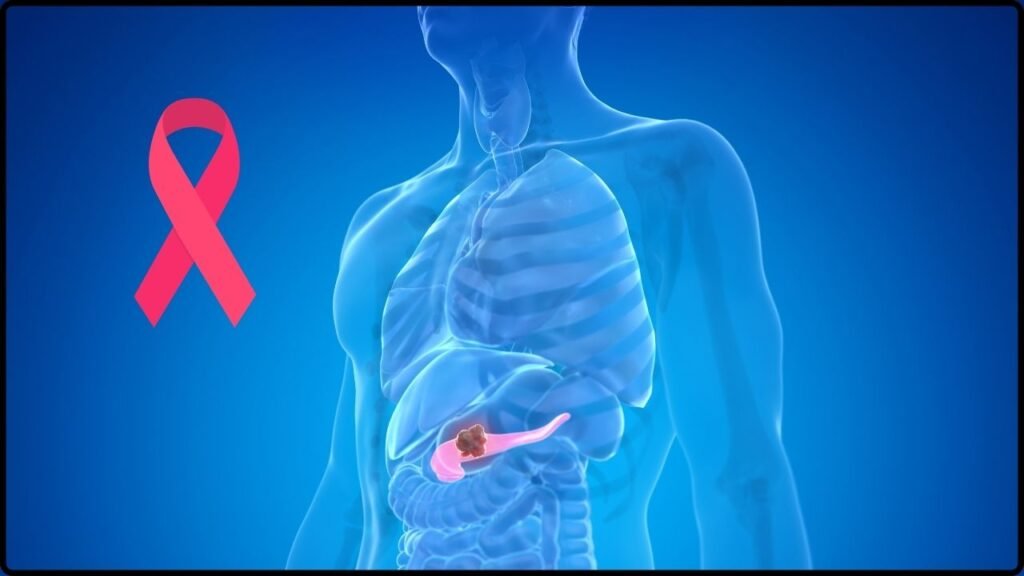
Pancreatic cancer accounts for roughly 3% of all cancers in the United States, but it causes about 8% of all cancer deaths, according to the National Cancer Institute (NCI). That imbalance is what makes it so alarming. Unlike some cancers that are caught early through screening, pancreatic cancer often develops silently.
By the time symptoms like jaundice, abdominal pain, unexplained weight loss, or digestive issues show up, the disease has frequently already spread.
The most common type, pancreatic ductal adenocarcinoma (PDAC), makes up over 90% of cases. This is the form studied in relation to ALK7.
What Exactly Is the ALK7 Receptor Linked to Rapid Pancreatic Cancer Spread?
The ALK7 receptor (Activin Receptor-Like Kinase 7) is a protein located on the surface of certain cells. In normal physiology, it helps regulate cell growth, metabolism, and communication between cells.
Think of it like a gatekeeper or signal tower. When activated, it sends instructions inside the cell.
The issue arises when this signaling goes off track.
In pancreatic cancer cells, researchers found that ALK7 becomes overactive. Instead of maintaining normal control, it encourages behaviors that help cancer cells detach, migrate, and invade other tissues.
That’s where things get serious.
The Two Major Pathways Activated by ALK7 Receptor Linked to Rapid Pancreatic Cancer Spread
The new research highlights two major biological processes driven by ALK7 activation.
Epithelial-Mesenchymal Transition (EMT)
This term might sound complex, but the idea is straightforward.
Healthy pancreatic cells are structured and stay in place — like bricks in a wall. During EMT, those cells transform. They lose their rigid structure and gain flexibility. They become mobile.
Imagine turning a stationary house into a moving RV. That’s essentially what happens.
EMT allows cancer cells to break away from the main tumor and move toward nearby blood vessels.
For medical professionals, EMT is associated with increased expression of transcription factors like Snail, Slug, and Twist — molecular markers often linked with aggressive tumor behavior.
For families trying to understand it: EMT makes cancer cells better travelers.
Matrix Metalloproteinases (MMPs)
The second mechanism involves enzymes called matrix metalloproteinases.
These enzymes act like molecular scissors. They cut through the extracellular matrix — the structural scaffolding that holds tissues together.
Normally, that matrix keeps cells contained. But when MMP levels increase, barriers break down.
ALK7 stimulates MMP production. The result? Cancer cells carve pathways through surrounding tissue and even penetrate blood vessel walls.
That process of entering blood vessels is called intravasation.
Once inside the bloodstream, cancer cells can travel to the liver, lungs, and other organs.
Why This ALK7 Receptor Linked to Rapid Pancreatic Cancer Spread Discovery Is So Significant?
Pancreatic tumors are surrounded by dense stromal tissue — almost like concrete around a building. For years, scientists believed this barrier might slow metastasis.
But patients continued to experience rapid spread.
The ALK7 finding helps explain this paradox.
Even with thick tissue barriers, ALK7-driven EMT and MMP production allow cancer cells to break through.
This shifts the scientific conversation from focusing solely on tumor growth to targeting metastatic signaling pathways.
Organ-on-Chip Technology: A Game Changer
The study utilized organ-on-chip vascular systems — miniature lab devices that simulate human blood vessels.
These chips allow scientists to watch, in real time, how cancer cells interact with vessel walls.
When ALK7 was active, tumor cells invaded vessel structures efficiently.
When researchers blocked ALK7 signaling, the invasion rate dropped significantly.
This provides functional evidence, not just theoretical modeling.
For professionals, this model offers translational potential in testing anti-metastatic agents before human trials.
The Current State of Pancreatic Cancer Treatment
Treatment options today include:
- Surgery (Whipple procedure)
- Chemotherapy (FOLFIRINOX, gemcitabine-based regimens)
- Radiation therapy
- Targeted therapy in specific mutation cases (e.g., BRCA mutations)
However, fewer than 20% of patients are eligible for surgery at diagnosis due to advanced spread.
That’s why preventing metastasis is critical.
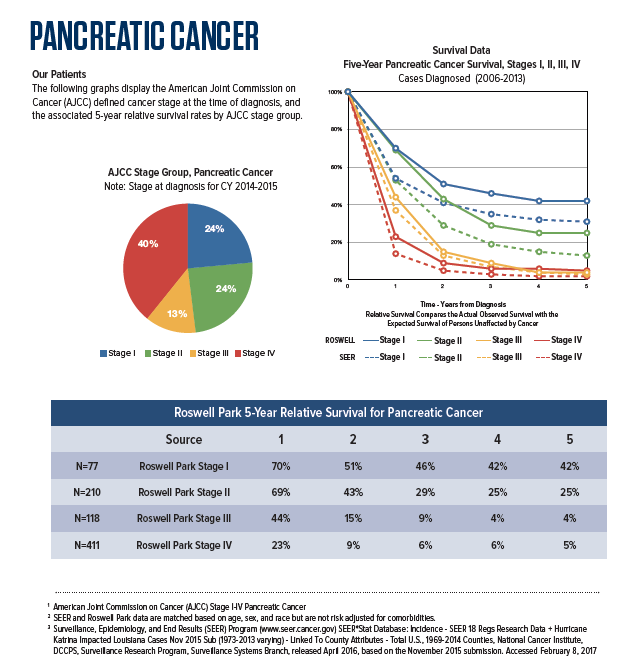
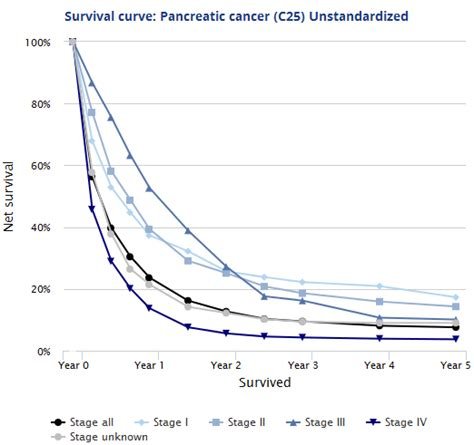
According to the American Cancer Society, the overall 5-year survival rate remains approximately 12%, though survival improves significantly if caught early.
Therapeutic Potential: Can ALK7 Be Targeted?
While no FDA-approved ALK7 inhibitors exist yet, the discovery opens several avenues:
- Selective receptor inhibitors
- Monoclonal antibodies targeting ALK7 pathways
- Combination therapy with chemotherapy
- Precision medicine approaches using molecular profiling
Targeting ALK7 could serve as an anti-metastatic strategy rather than solely focusing on shrinking the primary tumor.
That’s a shift in strategy.
Practical Advice for Patients and Families
If you’re navigating a pancreatic cancer diagnosis, here’s grounded advice:
Ask about molecular profiling. Tumor genomic testing may reveal actionable targets.
Seek high-volume cancer centers. Outcomes are often better at institutions specializing in pancreatic cancer surgery.
Consider clinical trials early. Trials may provide access to emerging therapies.
Understand risk factors.
According to the CDC:
- Smoking
- Chronic pancreatitis
- Diabetes
- Obesity
- Family history
Implications for Healthcare Professionals
From a clinical perspective, ALK7 could serve as:
- A prognostic biomarker
- A therapeutic target
- A tool for risk stratification
Testing tumor samples for ALK7 expression may eventually inform treatment intensity decisions.
Ongoing research in translational oncology will determine how quickly this moves into clinical protocols.
Professionals should monitor journals such as:
- Journal of Clinical Oncology
- Molecular Cancer
- Cancer Research
Public Health and Native Community Considerations
Pancreatic cancer disparities exist among Native American populations, often due to limited access to early detection and specialized care.
Community outreach, culturally sensitive education, and improved referral systems remain critical.
Awareness campaigns emphasizing early symptom recognition could improve outcomes.
Health equity matters.
Researchers Work to Restore the American Chestnut Tree
Researchers Detect a Small Organ Hidden Near the Nasal Passage
Step-by-Step Path from Discovery to Treatment
Step 1: Validate ALK7 expression across diverse patient samples
Step 2: Develop safe and selective inhibitors
Step 3: Conduct animal model testing
Step 4: Launch Phase I clinical trials
Step 5: Evaluate survival outcomes in Phase III trials
Step 6: Seek FDA approval
Drug development takes years, but this is how innovation moves forward in the United States.